Therapeutic Massage Philadelphia for Real Relief

Therapeutic Massage Philadelphia for Real Relief

That familiar knot between your shoulder blades is not always just a knot. It can be the result of long hours at a desk, a demanding workout routine, an old injury pattern, poor sleep, or simply carrying too much stress for too long. Therapeutic massage Philadelphia clients seek should do more than feel pleasant for an hour. It should meet your body where it is, help you breathe easier, move more freely, and leave with a clearer sense of what your body needs next.

At Life4orceTouch, massage is never treated as a one-size-fits-all spa service. Every body has a history, every person has different goals, and the right session may look very different from one visit to the next. Some clients need deep, focused work on stubborn muscle tension. Others need a calming reset that helps their nervous system slow down. Many need a thoughtful blend of both.

What Makes Therapeutic Massage Different?

Therapeutic massage is goal-oriented bodywork. Relaxation can absolutely be part of the experience, but the session begins with a bigger question: what would feel better, work better, or move better in your body?

Maybe you are dealing with tight hips after running or cycling. Maybe your neck and upper back feel locked up after a week of screens, commuting, and meetings. Maybe you have been living with recurring low back discomfort, limited shoulder range of motion, sore feet, or the physical effects of stress. A therapeutic approach considers the location of discomfort, the surrounding muscle patterns, daily habits, activity level, and your comfort with pressure.

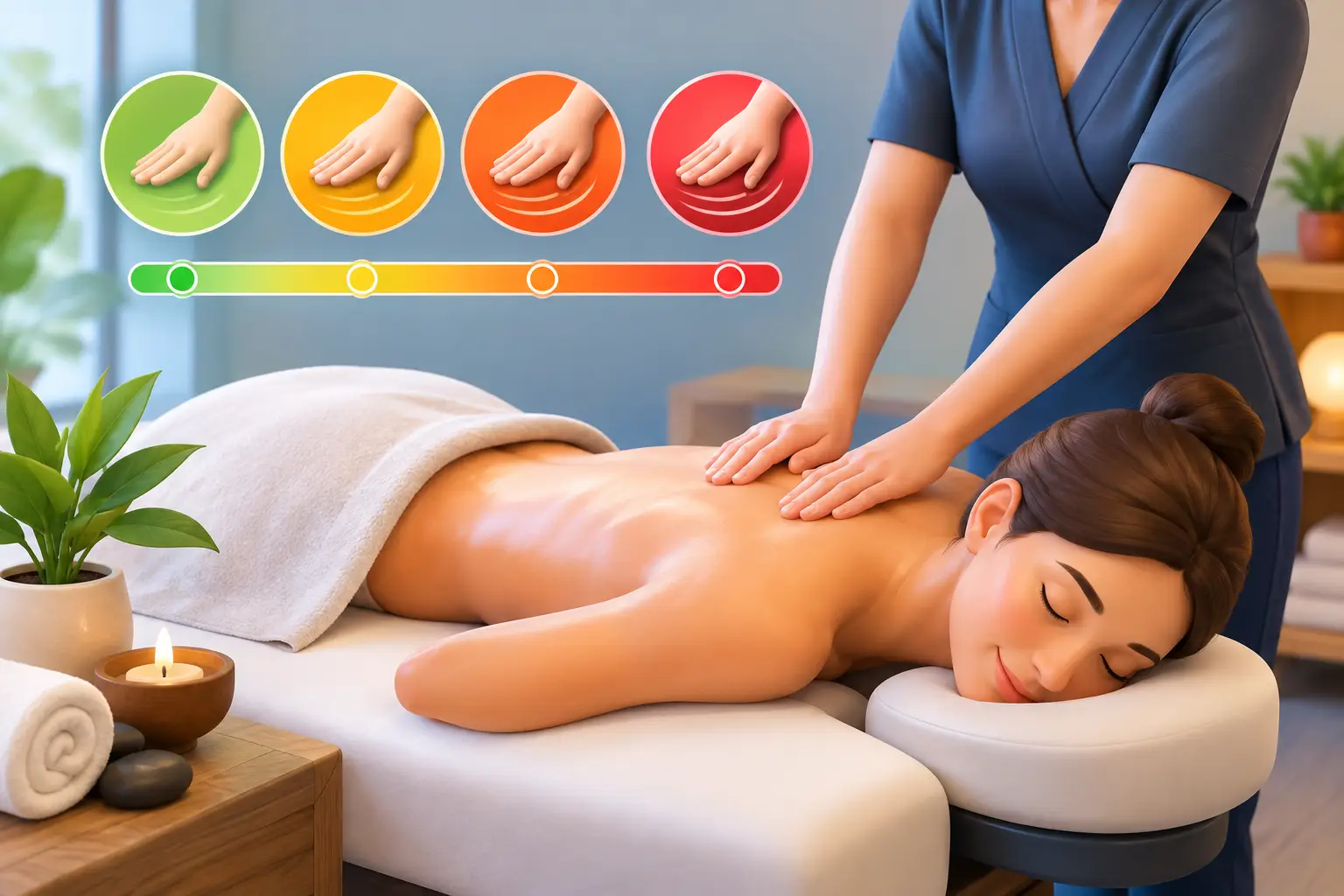
That does not mean every session needs to be intensely deep. More pressure is not automatically better pressure. Effective bodywork should be responsive, specific, and within your tolerance. The goal is not to “win” against a tight muscle. The goal is to encourage healthier movement, reduce guarding, and help your body feel supported rather than overwhelmed.

Therapeutic Massage Philadelphia Care That Starts With Listening

A great massage begins before the first stroke. Your practitioner should ask what brought you in, what activities aggravate or improve the issue, whether you have received care from a physician, chiropractor, physical therapist, or osteopath, and what kind of pressure feels appropriate. This conversation helps shape a session around you, not around a preset routine.

For someone who is new to massage, Swedish massage may provide an ideal introduction. Its flowing strokes can ease general tension, support circulation, and create the quiet mental space that busy Philadelphians often miss. For an active client with dense, persistent muscle tightness, deep tissue massage, trigger point therapy, or myofascial release may be a more useful fit.

The best modality depends on the person and the day. A hard training week, poor sleep, a physically demanding job, and emotional stress can all change how your body responds to touch. Honest feedback during the session is part of the treatment. If pressure is too much, say so. If an area feels especially tender, mention it. Therapeutic care is a collaboration.

A Broader Toolkit Creates Better Options

When a practitioner has several bodywork methods available, the session can be more targeted. Cupping may be used to address fascial restrictions and areas that feel stuck or congested. Thai yoga massage combines assisted stretching, compression, and rhythmic movement to help clients who feel restricted through the hips, legs, shoulders, or spine. Thai reflexology gives focused attention to tired feet that have carried you through work, errands, workouts, and city blocks.

Hot stone massage can add soothing heat to muscles that resist relaxing. Shiatsu uses mindful pressure along the body to encourage balance and ease. Craniosacral bodywork and Reiki offer gentler options for clients who feel overstimulated, stressed, touch-deprived, or in need of a quieter restorative experience.

These approaches are not interchangeable, and no single technique is the answer for everyone. A skilled practitioner selects and combines methods based on your goals, your health history, and what your body is communicating during the session.

When Massage Can Support Your Routine

Massage works well as part of a broader wellness plan. It can complement movement, hydration, strength training, stretching, rest, and professional medical care when needed. Many clients book because they want help managing the everyday buildup that can make life less comfortable: stiff joints, achy muscles, reduced flexibility, headaches connected to tension, restless sleep, or the mental fatigue of always being “on.”

For athletes and fitness-minded clients, bodywork can support recovery between workouts and bring attention to movement restrictions before they become harder to ignore. For professionals, it can interrupt the cycle of forward-head posture, clenched jaws, tight forearms, and low back strain. For people who spend their days caring for others, a massage can offer needed time to receive care themselves.

Massage is not a replacement for medical diagnosis or emergency treatment. Sudden severe pain, unexplained swelling, numbness, chest pain, fever, recent trauma, or symptoms that are worsening deserve prompt medical attention. Share relevant health conditions, medications, recent surgeries, pregnancy status, and injuries before your appointment so your session can be adapted safely.

How Often Should You Book?

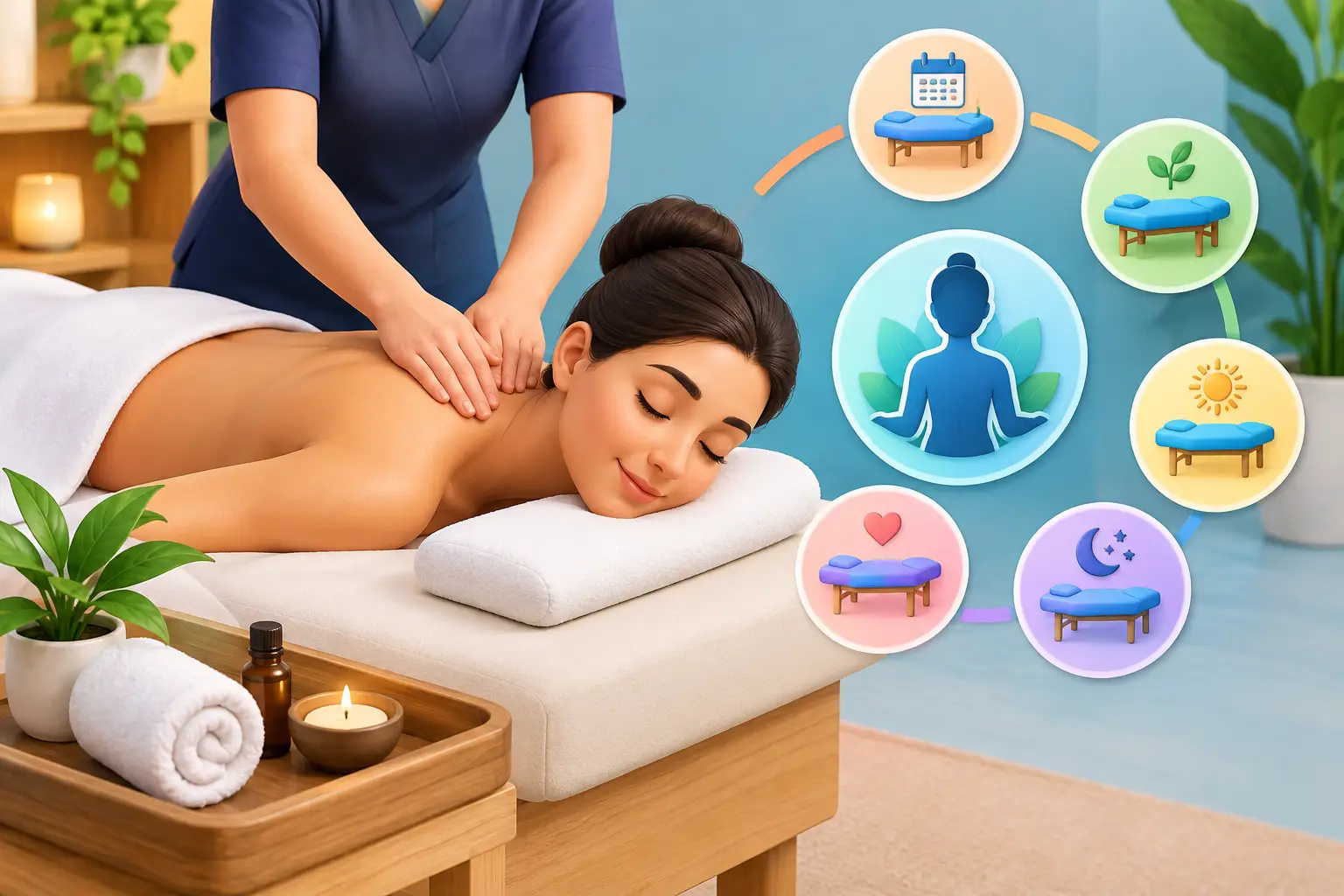
There is no universal schedule. A client preparing for an event, recovering from an unusually demanding stretch of work, or addressing ongoing tightness may benefit from more frequent appointments at first. Once symptoms settle, a monthly or every-few-weeks maintenance rhythm can help many people stay ahead of the tension cycle.

Consistency often matters more than chasing an occasional emergency appointment. Regular sessions allow your practitioner to notice patterns: the shoulder that always tightens first, the hip that limits your stride, the areas that respond well to stretching, heat, or focused pressure. That information makes future sessions smarter and more efficient.

Still, your schedule and budget matter. Start with a realistic plan. A massage that fits into your actual life is more valuable than an ambitious routine you cannot maintain. Ask about package savings, referral incentives, gift cards, and seasonal promotions when they fit your needs. Supporting a local West Philadelphia practice also keeps your wellness spending connected to the community you call home.

Getting More From Your Appointment

Arrive with a simple goal, even if it is broad: “My shoulders feel heavy,” “I want to move better before my race,” or “I need to calm down.” Wear comfortable clothing if you are receiving Thai yoga massage or any clothed bodywork. Drink water, give yourself a few minutes after the session before rushing back into your day, and pay attention to how you feel over the next 24 to 48 hours.

You may notice immediate ease, but meaningful change can also be gradual. Muscles and movement patterns that took months or years to develop may need ongoing attention. Gentle soreness after deeper work can happen, while sharp pain or lingering discomfort is a signal to communicate with your practitioner.

Your body does a lot for you every day. Give it care that is specific, informed, and genuinely restorative. Whether you need focused pain relief, better mobility, a recovery session, or a peaceful break from the pressure of the week, the right therapeutic massage can help you feel more at home in your body – and ready to show up for your life with more energy!

Swedish Massage Philadelphia for Real Relief

Swedish Massage Philadelphia for Real Relief

A good Swedish massage Philadelphia session should feel like more than an hour away from your inbox, commute, workouts, and responsibilities. It should give your body a real chance to soften. Your shoulders may sit lower, your breathing may get deeper, and that tight, braced feeling you have been carrying all week may finally ease.

For busy Philadelphia professionals, active adults, and anyone who feels physically and mentally overextended, Swedish massage offers a powerful reset. It is often the first massage people try, but it is not a basic or one-size-fits-all service. When it is tailored to your body, goals, and comfort level, Swedish massage can support relaxation, circulation, recovery, mobility, and a more balanced relationship with stress.

What Swedish Massage Actually Feels Like

Swedish massage is a hands-on style of massage therapy built around long, flowing strokes, kneading, gentle friction, rhythmic tapping, and joint movement when appropriate. The pace is generally calming, and the pressure can range from light to firm based on what your body needs that day.

The goal is not to force your muscles into submission. It is to encourage your nervous system to shift out of constant alert mode while giving tense soft tissue focused, skillful attention. That difference matters. A massage can be deeply relaxing without feeling vague or disconnected from the places that need care.

You may come in because your neck is tight from computer work, your low back feels tired after long days on your feet, or your legs are heavy after training. Swedish massage gives the practitioner room to work through those concerns while still creating a whole-body experience. It is a great fit when you want to feel cared for from head to toe, not just have one painful knot chased for an hour.

Why Philadelphia Bodies Need Recovery Time

Philadelphia moves fast. Between SEPTA commutes, desk work, caregiving, fitness routines, neighborhood events, and the daily effort of getting everything done, tension adds up quietly. Many people do not realize how much they are gripping through their jaw, shoulders, hands, hips, or feet until they lie down and receive attentive bodywork.

Stress does not stay in the mind. It can show up as shallow breathing, restless sleep, headaches, fatigue, sore muscles, reduced range of motion, and a body that feels switched on even when you want to rest. Swedish massage is not a replacement for medical care when medical evaluation is needed. It can, however, be a meaningful part of a practical wellness routine for people managing everyday stress and muscular discomfort.

Regular sessions can be especially helpful for clients who are touch-deprived or who spend most of the day disconnected from physical comfort. Professional, consent-based therapeutic touch can help you slow down long enough to notice what your body has been trying to say. That is not an indulgence. For many people, it is maintenance.

Swedish Massage for Relaxation and Movement

People sometimes assume they need to choose between a relaxing massage and a therapeutic one. In reality, the best session often includes both. Relaxation can reduce the guarding that makes muscles feel hard and unresponsive. Once the body feels safer and less braced, targeted work may be more comfortable and more productive.

A personalized Swedish massage may include added attention to the upper back and shoulders for a desk worker, the hips and legs for a runner, or the hands and forearms for someone who types, lifts, creates, or performs repetitive tasks. The treatment should reflect your priorities, not follow the same sequence for every person on the table.

Pressure is an important conversation, not a test of toughness. More pressure is not automatically better pressure. If your nervous system is overloaded, aggressive work can make it harder to relax and leave you feeling sore rather than restored. On the other hand, a client with dense, longstanding tension may prefer portions of a session to be firmer. Your comfort, response, and goals should guide the approach.

When Swedish Massage Is the Right Choice

Swedish massage is an excellent starting point for first-time clients who feel nervous about massage or unsure of their pressure preference. It is also ideal for experienced massage clients who simply need a restorative full-body session rather than intense focused work.

Consider Swedish massage if you are feeling generally stressed, run down, stiff, restless, or sore from normal activity. It can be a supportive choice before a demanding week, after travel, during a period of high work stress, or as part of an ongoing self-care plan. Many clients schedule monthly sessions to avoid waiting until discomfort becomes overwhelming.

It may not be the best standalone choice for every goal. If you have a specific movement restriction, chronic trigger point pattern, recent athletic overuse, or deeply held muscular tension, your practitioner may recommend blending Swedish techniques with deep tissue massage, myofascial release, trigger point therapy, cupping, Thai yoga massage, or another appropriate modality. The right treatment is not about chasing the trendiest service. It is about matching skilled care to what your body is presenting.

How to Get More From Your Massage Appointment

Before the session begins, share the details that matter. Mention recent injuries, areas of pain, health conditions, surgeries, pregnancy, skin sensitivities, medications, and whether you are working with a doctor, physical therapist, chiropractor, or other provider. Be clear about what you want from the appointment: better sleep, stress relief, shoulder mobility, recovery after exercise, or simply a chance to feel human again.

During the massage, speak up about pressure, temperature, positioning, and anything that does not feel right. Professional massage is collaborative. You do not have to endure discomfort to prove you are getting a “real” massage. The best feedback is specific and immediate: a little lighter, more time on the right hip, less work around the neck, or please check in before changing pressure.

Afterward, give yourself a gentler landing if you can. Drink water because it is a healthy habit, not because massage somehow flushes toxins from your body. Take a short walk, have a nourishing meal, stretch lightly if it feels good, and avoid packing the next hour with another high-stress obligation. Some people feel energized after Swedish massage; others feel ready for an early night. Both responses can be normal.

A Local Approach to Swedish Massage in Philadelphia

Choosing a neighborhood massage practice means choosing care that can become part of your life, not a once-a-year escape. You deserve a practitioner who listens, tracks what has changed since your last visit, and has more than one technique available when your needs evolve.

At Life4orceTouch in West Philadelphia, Swedish massage can be the foundation of a customized restorative experience. The work is designed around your body and your goals, whether you need a calming full-body reset, targeted help for work-related tension, or a treatment plan that combines relaxation with therapeutic bodywork. Supporting a local small business also keeps your wellness spending rooted in the Philadelphia community!

There is no prize for pushing through chronic tightness until it becomes your normal. Make room for care before your body has to demand it. A thoughtful Swedish massage can be one small, powerful way to return to your day feeling lighter, steadier, and more at home in yourself.

Massage for Office Workers With Desk Pain

Massage for Office Workers With Desk Pain

The 3 p.m. slump is not always about coffee. Sometimes it is your neck pulling forward, your shoulders creeping toward your ears, your low back feeling compressed, and your hands aching after another day of typing. Massage for office workers offers more than a pleasant break from the desk. It can be a practical part of caring for the body that carries you through meetings, commutes, deadlines, workouts, family responsibilities, and everything else on your calendar.

For many Philadelphia professionals, desk discomfort builds quietly. A little tightness becomes a regular headache. A stiff hip becomes a shorter stride. A tense jaw becomes a restless night. The good news? Your body is not asking for perfection. It is asking for attention, movement, recovery, and skilled hands when the tension has become too much to manage alone.

Why Desk Work Can Hurt So Much

Office work asks the body to stay in one position for long stretches, even when that position looks comfortable. Sitting itself is not the enemy. The real issue is often limited movement, repetitive tasks, work stress, and a setup that encourages the head, shoulders, wrists, or hips to stay under strain for hours at a time.

Laptop work can pull the head forward and round the upper back. A mouse placed too far away can overload the shoulder and forearm. Crossing the legs or leaning into one hip may leave the low back and glutes feeling uneven. Add a packed workday, shallow breathing, and the natural urge to push through discomfort, and you have a recipe for muscles that never seem to fully let go.

Stress matters, too. When deadlines are tight or work feels emotionally demanding, people often brace without realizing it. The jaw clenches. The breath becomes smaller. The shoulders harden. Massage cannot remove every workplace pressure, but it can give the nervous system a clear signal that it is safe to soften and recover.

How Massage for Office Workers Can Help

The right session should not feel like a generic, one-size-fits-all spa routine. Office workers have different patterns of tension, different health histories, and different goals. Someone with tight upper traps from video calls may need a very different approach than a client whose hips and low back feel locked after long commutes and seated work.

Swedish massage can be an excellent choice when stress, fatigue, and overall muscle tightness are the main concerns. Slower, calming work helps many clients shift out of the constant go-go-go mode that follows them from work to home.

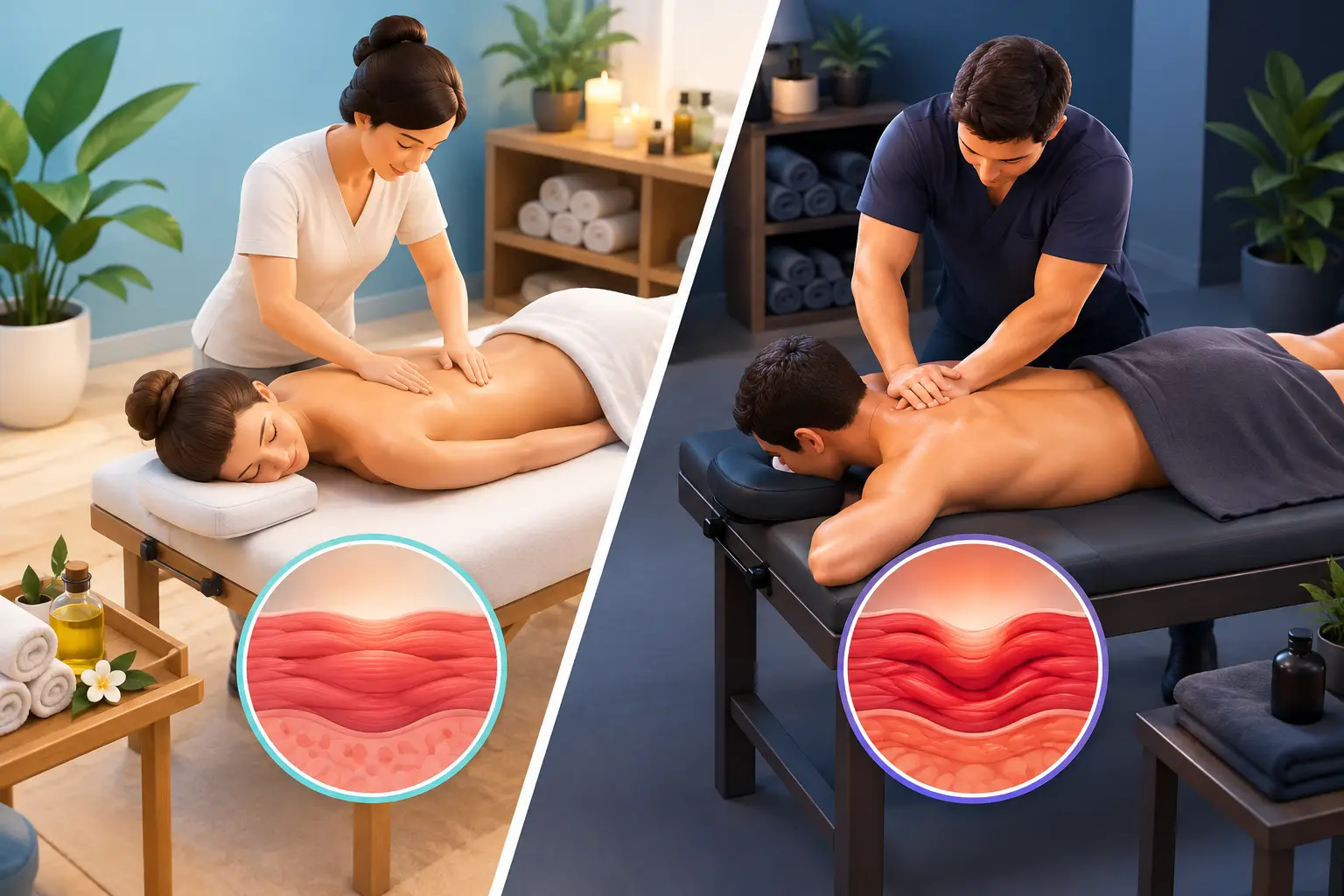
When muscular tension is more persistent, deep tissue massage, trigger point therapy, and myofascial release may be more appropriate. These approaches can focus on restricted areas in the neck, shoulders, back, forearms, glutes, and legs while respecting your comfort level. More pressure is not automatically better. Effective therapeutic bodywork is responsive, specific, and based on what your body needs that day.

Thai yoga massage can be especially helpful for office workers who feel stiff rather than simply sore. Guided stretching, assisted movement, and compression can support mobility through the hips, spine, shoulders, and legs. Shiatsu and reflexology may appeal to clients who want a grounding, whole-body experience after a mentally overloaded week.

At Life4orceTouch, individualized care means the session can draw from a broad range of modalities rather than forcing every client into the same treatment. That flexibility matters when your body has been shaped by long workdays, old injuries, workouts, caregiving, or stress that seems to settle in every muscle at once.

The Areas That Often Need Attention

Desk-related discomfort does not always stay at the desk. Tightness can travel and show up in places that seem unrelated to typing or sitting. During a personalized massage, a therapist may assess the areas most affected by your work habits and your movement patterns.

Common trouble spots include:

  • Neck and upper shoulders, especially after laptop use, phone use, or long meetings
  • Chest and front shoulders, which can feel shortened when the upper body rounds forward
  • Forearms, wrists, and hands, which work hard during typing, clicking, gripping, and scrolling
  • Low back, hips, glutes, and legs, which can stiffen during prolonged sitting
  • Jaw and scalp, where many people hold stress without noticing it

That does not mean every appointment needs to focus on every area. If you only have an hour and your neck is the loudest concern, a targeted session may be the best use of time. If your body feels generally depleted, a full-body approach may leave you feeling more balanced. The best plan depends on your goals, your schedule, and how your body responds.

What a Productive Session Should Feel Like

A therapeutic massage can be deeply relaxing, but it should also feel collaborative. Before the work begins, be ready to share where you feel discomfort, what makes it worse, how long it has been present, and what kind of pressure you prefer. Mention past injuries, surgeries, medications, skin sensitivities, and any medical care you are receiving. Honest communication helps create a safer, more effective session.

During the massage, sensation can range from gentle relaxation to focused, meaningful pressure. Sharp pain, numbness, burning, or the feeling that you need to hold your breath are not goals to chase. Speak up. A skilled massage therapist can adjust pressure, positioning, pace, or technique.

Afterward, you may feel lighter, calmer, more mobile, or pleasantly sleepy. Some clients notice mild tenderness after deeper focused work, particularly if an area has been tight for a long time. Plan a little room in your day to hydrate, take a short walk, and avoid treating the appointment like a pit stop before another marathon of activity.

Make Relief Last Between Appointments

Massage works best as part of a realistic body-care routine, not as punishment for working too hard. You do not need a perfect ergonomic office or an elaborate wellness schedule to make a difference. Small, repeatable resets can reduce the amount of tension that piles up during the week.

Try standing up between tasks, not just when you remember at the end of the day. Let your eyes leave the screen regularly. Roll the shoulders, gently turn the head, open and close the hands, and take a few fuller breaths. A short walk around the block or office can do more for a stiff body than staying seated while scrolling during lunch.

Your workstation matters, but it does not have to be expensive. Raise the screen when possible so you are not constantly looking down. Keep frequently used items within easy reach. Support your feet, vary your sitting position, and consider alternating between sitting and standing if that feels good for your body. The goal is not to freeze in a picture-perfect posture. The goal is to give your body more options.

Consistent massage can also be more useful than waiting until pain becomes overwhelming. Some people benefit from monthly maintenance, while others need more frequent care during intense project periods, after travel, or when returning to work after an injury. There is no magic schedule. Notice what changes when you receive regular bodywork: sleep, range of motion, mood, workout recovery, headaches, and your ability to get through a workday without feeling drained.

When Massage Is Not the Only Answer

Massage therapy is a valuable complement to many wellness and health care plans, but it is not a substitute for medical evaluation when symptoms are serious or new. Seek appropriate medical care for sudden severe pain, unexplained swelling, weakness, loss of sensation, fever, chest pain, or pain following an accident. If you are already working with a physician, physical therapist, chiropractor, or other provider, massage may fit beautifully into your larger plan with clear communication.

Office work can make discomfort feel normal because so many people experience it. But constant pain, recurring numbness, and restricted movement are worth taking seriously. You deserve support that is thoughtful, hands-on, and tailored to the real demands of your life.

Your desk may be where you earn a living, but it should not be the place where your body gives up on feeling good. Make space for recovery, support a local West Philadelphia wellness practice, and give your hardworking body the care it has been asking for. A well-timed massage can be the reset that helps you leave work feeling more like yourself again!

Glute Dysfunction Massage Therapy for Better Movement

Glute Dysfunction Massage Therapy for Better Movement

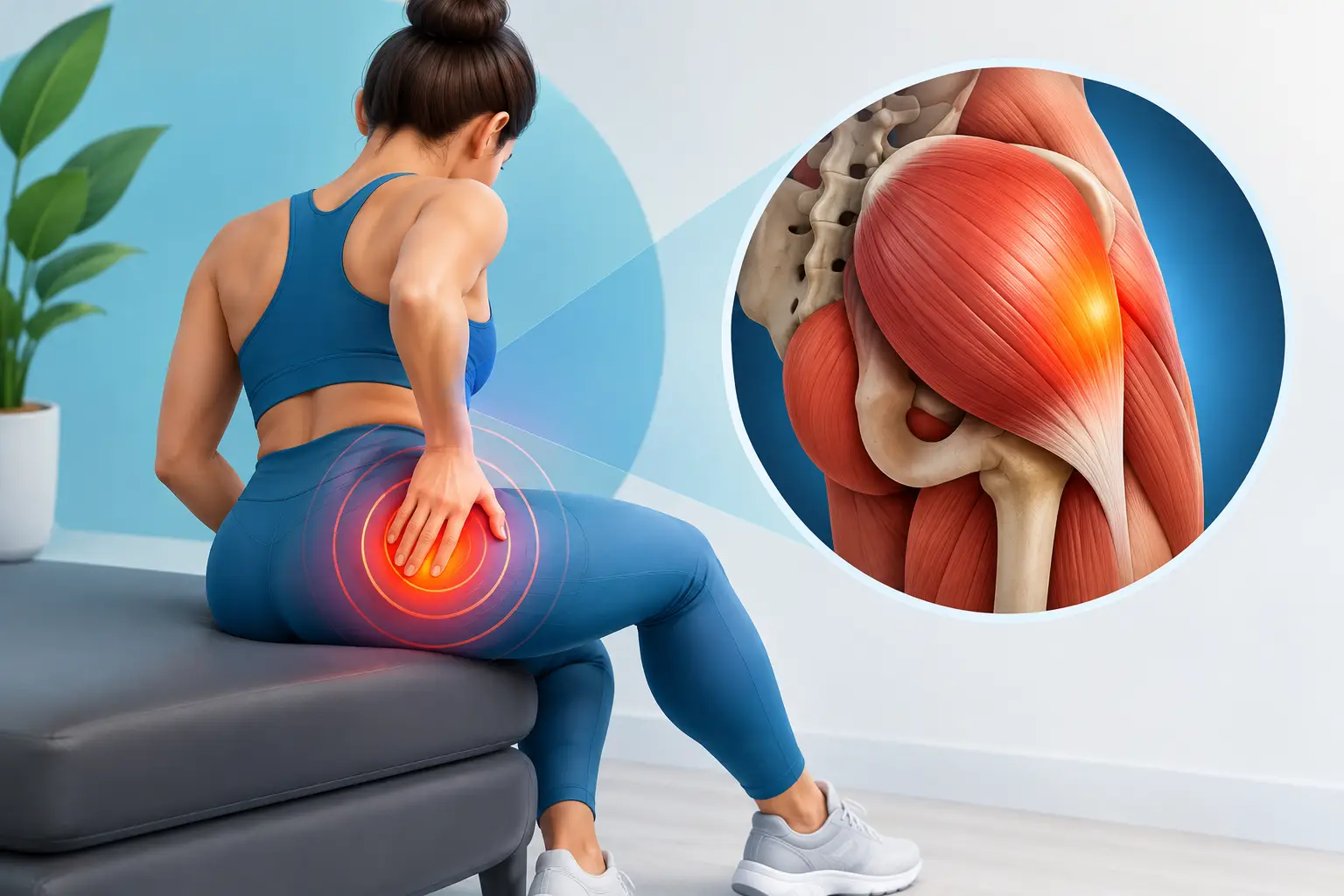
That nagging pull in your low back during a long workday, a hip that feels tight on every run, or knees that complain during stairs may not begin where you feel it. Glute dysfunction massage therapy looks beyond the sore spot to address muscular tension and movement patterns that can leave your hips, pelvis, and lower body working harder than they should.

Your glutes are not just “workout muscles.” They help stabilize the pelvis, extend the hip, and support walking, lifting, climbing stairs, and changing direction. When they are not contributing well to movement, other areas often take over. The low back may grip. Hip flexors may stay chronically tight. Hamstrings can feel overworked. Even the knees and feet may carry more stress.

A personalized massage session cannot diagnose an injury or replace medical care when you need it. But skilled therapeutic bodywork can be a valuable part of a broader plan for reducing tension, restoring body awareness, and helping you move more comfortably. That is where individualized care makes all the difference!

What glute dysfunction can feel like

Glute dysfunction is a broad, non-diagnostic term often used when the gluteal muscles are weak, inhibited, poorly coordinated, or surrounded by enough tension that normal movement feels limited. It is not always about strength. A person can have strong glutes in the gym and still struggle to recruit them efficiently when walking, squatting, or standing for hours.

The sensation varies from person to person. You may notice a deep ache in one buttock, tightness around the outer hip, discomfort after sitting, or a low-back “catch” when rising from a chair. Some people feel the issue most during deadlifts, lunges, cycling, or running. Others feel it after a desk-bound day or a long commute across Philadelphia.

Common clues include:

  • One-sided hip or buttock tightness that keeps returning
  • Hamstrings or low-back muscles that feel like they are doing all the work
  • Reduced comfort or control during squats, stairs, walking, or running
  • A pelvis that feels uneven, stiff, or unstable during everyday movement

These signs do not automatically point to glute dysfunction. Sciatica, hip joint conditions, tendon problems, disc issues, and other concerns can create overlapping symptoms. Persistent, severe, spreading, or worsening pain deserves an evaluation from a qualified medical professional, especially if you have numbness, weakness, bowel or bladder changes, fever, unexplained weight loss, or pain after a significant fall or accident.

How glute dysfunction massage therapy can help

A thoughtful session starts with listening. When did the discomfort begin? Is it worse after sitting, training, sleeping, or standing? Does the pain travel? What types of movement feel restricted? These details help a massage therapist choose an approach that fits your body instead of delivering the same routine to every client.

For many people, the goal is not to “break up” a muscle or force a painful release. It is to reduce excessive guarding, improve tissue glide, and create a calmer, more comfortable starting point for movement. That may involve focused work around the gluteus maximus, gluteus medius, deep lateral hip rotators, hamstrings, hip flexors, adductors, and lower back. The exact areas depend on your presentation.

Releasing tension around the hips and pelvis

Deep tissue massage, myofascial release, and targeted trigger point therapy may help address areas that feel dense, tender, or restricted. For example, an overactive piriformis or a tense gluteus medius can make the outer hip feel constantly switched on. Gentle, sustained work may help reduce that protective holding pattern.

Pressure should be purposeful, not punishing. More intensity is not always more effective. If your body braces against the work, holds its breath, or leaves the session feeling battered for days, the pressure may be too much. Therapeutic massage should be adapted to your comfort, health history, and recovery needs.

Supporting better movement awareness

Massage does not permanently “activate” a muscle or fix every movement pattern in one appointment. What it can do is reduce some of the noise – the tightness, tenderness, and protective tension that makes it difficult to sense how your hips are moving.

After bodywork, many clients find it easier to notice whether they are gripping through the low back, shifting into one hip, or locking their knees while standing. That awareness is useful. It gives you a better opportunity to practice simple, appropriate movement or strengthening work recommended by a fitness professional, physical therapist, or other qualified provider.

Helping recovery without sidelining your life

Active adults often push through tightness until it becomes impossible to ignore. Massage can be an effective recovery tool after demanding training blocks, long workweeks, travel, or repeated physical tasks. Swedish massage may be the right choice when stress and overall muscle fatigue are high. More focused myofascial or trigger point work may fit stubborn hip restrictions. Thai yoga massage can be especially helpful for clients who respond well to assisted stretching and mobility-focused bodywork.

The best modality depends on your sensitivity, goals, training load, and medical history. A runner with mild post-training tightness may need something very different from a client who has been sitting with chronic hip discomfort for months.

Why the glutes often stop doing their share

Sitting gets blamed for everything, but the full story is more complicated. Long periods of sitting can leave the hips in a flexed position and contribute to stiffness, especially when paired with little movement variety. But glute-related discomfort can also develop from sudden training increases, repetitive work demands, poor sleep, stress, old injuries, altered gait, or doing too much too soon after time away from exercise.

Stress matters more than many people realize. When life feels nonstop, the nervous system can keep muscles in a guarded state. That does not mean the pain is “all in your head.” It means your body’s stress response can influence tension, recovery, sleep quality, and how intensely you experience discomfort. Massage offers both targeted physical work and a chance to downshift. That combination can be powerful.

Make the benefits last between sessions

Massage works best as part of body maintenance, not as a one-time rescue mission. After a session, avoid immediately jumping into your hardest workout if the area has received focused work. Take a walk, hydrate normally, and pay attention to how your hips feel over the next day or two.

Small movement breaks can also change the pattern. If you sit for most of the day, stand up periodically and take a brief walk. If you train hard, build recovery into your week rather than waiting for pain to force a break. And if a clinician or trainer has given you exercises for hip stability or glute strength, use the improved comfort after massage as a window to practice them with control.

Consistency matters, but there is no universal schedule. Some clients benefit from a few closer sessions while working through a flare-up, then shift to maintenance care. Others may only need occasional support during high-stress periods, race training, or physically demanding seasons. Your response to treatment should guide the plan.

A more personalized approach to hip and glute care

At Life4orceTouch, massage is never treated as a generic spa service. Your session can combine relaxation-focused care with deeper therapeutic techniques based on what your body needs that day. Whether you are an athlete managing overworked hips, a professional who feels locked up after hours at a desk, or someone simply tired of carrying tension from the low back down, individualized bodywork can help you reconnect with easier movement.

You do not have to wait until discomfort becomes your normal. Give your hips a little more attention, choose care that respects your whole body, and let each session be a practical step toward moving through your day with more comfort and confidence!

Can Craniosacral Therapy for Chronic Pain Help?

Can Craniosacral Therapy for Chronic Pain Help?

When pain has been hanging around for months or years, another forceful treatment is not always what your body wants. Sometimes the nervous system is already working overtime, muscles are guarding, sleep is poor, and even a busy mind can make physical discomfort feel louder. Craniosacral therapy for chronic pain offers a quieter, highly individualized approach that may help the body settle, release holding patterns, and feel safer in movement.

This gentle form of bodywork is not a cure-all, and it should not replace medical diagnosis or treatment. But for many people managing persistent tension, headaches, neck and back discomfort, stress-related pain, or pain that seems to flare without a clear reason, it can be a valuable part of a broader care plan.

What Craniosacral Bodywork Actually Feels Like

Craniosacral therapy uses very light, attentive touch around the head, neck, spine, sacrum, and other areas where the practitioner feels restrictions or strain patterns. Unlike deep tissue massage, the goal is not to press hard into a tight muscle. The work is slow and subtle. Many clients describe it as calming, spacious, or surprisingly powerful despite the light pressure.

The central idea is that the body has interconnected tissues and rhythms that can be affected by injury, stress, posture, emotional strain, surgery, and repetitive movement. A trained practitioner uses gentle contact to encourage relaxation and support the body’s natural ability to regulate itself.

That may sound very different from the massage many people expect. If you are used to asking for more pressure to “work out” pain, craniosacral bodywork can take a little getting used to. Yet pain is not always a sign that the body needs more intensity. Sometimes it needs less threat, less bracing, and more room to respond.

Why Chronic Pain Can Be So Stubborn

Chronic pain is rarely just one tight spot. A sore shoulder may involve workstation posture, old training injuries, shallow breathing, poor sleep, stress, jaw clenching, reduced movement, or compensation patterns from the hips and spine. The longer discomfort persists, the more the nervous system can become protective.

This does not mean pain is “all in your head.” It means the brain, nerves, muscles, connective tissue, sleep, stress level, and daily habits all influence how pain is experienced. That is why a treatment that addresses relaxation and nervous-system downshifting can be meaningful, even when it does not look like traditional muscle work.

For example, a runner with recurring low-back tightness may also be holding tension through the diaphragm, hip flexors, and jaw. A working professional with headaches may have upper-back restriction, screen-related neck strain, and a system that never gets a real chance to power down. Personalized bodywork looks at the whole pattern, not just the loudest symptom.

Craniosacral Therapy for Chronic Pain: What It May Support

Research on craniosacral therapy is still developing, and results are mixed. It should be presented honestly: some people experience meaningful relief, while others notice mostly relaxation or little change. The most helpful question is not whether one session will fix everything. It is whether gentle, skilled care could support your specific recovery process.

For the right client, craniosacral work may help reduce the sense of tension that surrounds chronic discomfort. A calmer nervous system can make it easier to sleep, breathe more fully, notice posture, and move without immediately anticipating pain. Those changes can matter in day-to-day life.

Clients often seek this approach for persistent neck and shoulder tension, stress-related headaches, jaw tightness, low-back discomfort, postural strain, fibromyalgia-related sensitivity, and lingering discomfort after an injury has been medically evaluated. It may also be useful when deeper work feels too intense or leaves you sore for days afterward.

The benefits can be subtle at first. You may notice that your shoulders sit lower, your breathing feels easier, or your usual pain flare comes on less sharply. You may feel deeply rested after the session. Relief is not always dramatic, but small improvements in comfort, sleep, and mobility can build momentum.

When Gentle Work May Be a Better Choice

Deep tissue massage, trigger point therapy, myofascial release, stretching, and movement-based work all have a place. The best choice depends on what your body is asking for that day. If your muscles feel dense and restricted after training, more focused therapeutic massage may be appropriate. If your body feels overstimulated, tender, exhausted, or guarded, gentler craniosacral work may be the wiser starting point.

It can also pair well with other care. Physical therapy may help restore strength and movement. Medical care can rule out serious causes of pain. Counseling or stress-management support may be useful when pain and anxiety are feeding each other. Craniosacral bodywork can fit alongside these services as hands-on support for rest, body awareness, and comfort.

A responsible practitioner will not tell you to stop prescribed treatment or promise to cure a complex condition. They will listen to your history, adjust pressure and positioning, and encourage medical guidance when symptoms are new, severe, unexplained, or changing.

Tell Your Practitioner the Full Story

The more context you share, the better your session can be. Mention past injuries, surgeries, migraines, concussion history, joint issues, medications, recent flare-ups, and what has or has not helped before. Also share what you need emotionally from the session. Some clients want quiet. Others want education, check-ins, and help understanding what they are feeling.

If you have a diagnosed neurological condition, a recent head injury, uncontrolled blood pressure, blood-clot concerns, fever, acute infection, or another serious health issue, ask your physician whether massage or craniosacral bodywork is appropriate. Seek prompt medical attention for chest pain, sudden weakness, loss of coordination, severe new headache, numbness, or changes in bladder or bowel control.

How to Get More From Your Sessions

Think of bodywork as part of maintenance, not a one-time rescue mission. After a session, give yourself a little breathing room if possible. Hydrate, take an easy walk, avoid jumping immediately into a stressful task, and pay attention to how your body responds over the next day or two.

Consistency often matters more than intensity. A few sessions spaced thoughtfully can give your practitioner time to understand your patterns and give you time to notice what changes. Your plan may alternate craniosacral work with deeper therapeutic massage, myofascial release, Thai yoga massage, or targeted work for areas that need more direct attention.

At Life4orceTouch, the goal is never to force your body through a standard routine. Your session should reflect your pain level, sensitivity, movement goals, stress load, and comfort with touch. That is what individualized restorative bodywork should feel like: informed, respectful, and focused on what helps you function better.

Chronic pain can make your world feel smaller. The right care will not pressure you to push through it. It will give your body a chance to soften, help you reconnect with what ease feels like, and support the small, meaningful steps that bring more comfort back into your everyday life.

How Shiatsu Massage for Tension Can Help

How Shiatsu Massage for Tension Can Help

A clenched jaw during emails. Shoulders creeping toward your ears on the drive home. A low back that feels like it never got the message that the workday is over. Shiatsu massage for tension offers a hands-on way to interrupt that pattern – not by simply rubbing where it hurts, but by using intentional pressure, positioning, and movement to help the whole body settle.

For busy people in West Philadelphia and across the city, tension is rarely confined to one muscle. Desk posture, workouts, caregiving, commuting, stress, old injuries, and too little recovery time can create a body that is always bracing for the next demand. Shiatsu can be an especially grounding choice when you want therapeutic attention without an aggressive, one-note approach.

What Shiatsu Massage for Tension Feels Like

Shiatsu is a Japanese bodywork practice centered on sustained, comfortable pressure. A practitioner may use palms, thumbs, fingers, forearms, and sometimes elbows along areas of tightness and traditional energy pathways. Sessions can also include gentle stretching, joint movement, rocking, and breath-centered pauses.

The experience is different from a fast, slippery oil massage. Traditional shiatsu is often performed through comfortable clothing on a floor mat, although it can be adapted for a massage table and a client’s mobility needs. Rather than chasing every knot with intense pressure, the practitioner listens with their hands and works with the body’s response.

That matters because more pressure is not always more effective. A shoulder that is already guarding may tighten further when it is pushed too hard. Skillful shiatsu aims for pressure that feels purposeful and relieving, while giving your nervous system enough space to stop sounding the alarm.

Some clients feel a broad, satisfying ache in a familiar tight spot. Others notice warmth, tingling, easier breathing, or a surprising sense that their hips, neck, and shoulders are connected. You may also feel deeply relaxed afterward, especially if your tension has been fueled by weeks of running on adrenaline.

Why Tension Can Keep Coming Back

Muscle tension is not always a sign that you need a tougher massage. It can be your body’s short-term strategy for stability, protection, or stress management. That strategy becomes uncomfortable when it never switches off.

Consider the common “computer shoulder” pattern. Your head drifts forward, your upper back rounds, your chest stays shortened, and your neck muscles work overtime to keep your eyes level with the screen. The pain may show up near the shoulder blade, but the pattern can involve the jaw, chest, arms, breathing mechanics, and even how you sit through the day.

The same is true for active clients. A runner with tight calves may also have restricted ankle motion, overworked hips, or training volume that outpaced recovery. A lifter with a stiff upper back may benefit from focused work, but also from shoulder mobility and a more realistic recovery plan. Shiatsu is valuable here because it can address the sensation of tightness while encouraging awareness of the larger pattern behind it.

It is not a substitute for medical evaluation when pain is severe, persistent, or unexplained. But for everyday muscular tension, stress-related holding, and movement restrictions, it can be a meaningful part of a consistent care routine.

How Shiatsu Can Support a Calmer, More Mobile Body

Focused pressure can quiet overworked areas

Sustained pressure gives a tense area time to respond. Instead of quickly gliding over the back, a practitioner may pause at the muscles around the shoulder blade, along the hips, or through the feet and calves. This slower contact can help clients recognize how much effort they have been carrying without realizing it.

For some people, that creates immediate relief. For others, the change is more subtle: turning the head becomes easier, the low back feels less compressed, or the hands no longer feel as tense after a long day of typing. Results depend on the cause of the tension, how long it has been present, your stress load, sleep, activity level, and how regularly you receive care.

Assisted stretching adds a movement component

Many tension patterns involve muscles that have become accustomed to working within a limited range. Gentle assisted stretches and joint movements can help restore a sense of space without forcing flexibility. This can be particularly helpful for hips, hamstrings, shoulders, ankles, and the mid-back.

A good stretch should feel like an invitation, not a contest. If you have hypermobility, recent injuries, arthritis, or a history of joint instability, the approach should be adjusted carefully. Personalized bodywork is always better than a predetermined routine.

Relaxation is therapeutic, not an afterthought

Stress does not stay politely in the mind. It can affect sleep, breathing, digestion, posture, pain sensitivity, and the way muscles recruit during movement. That is why a session that helps you feel calm can also support physical comfort.

Shiatsu’s steady rhythm may be especially appealing if you struggle to “turn off” after work or find that your body remains tense even on days when you are not exercising. The goal is not to erase every source of stress in one appointment. It is to give your body a clear experience of safety, rest, and supported movement.

Who May Benefit Most From Shiatsu

Shiatsu can work well for people who prefer thoughtful, clothed bodywork; people who feel overwhelmed by very deep pressure; and clients whose tension seems tied to both physical overuse and mental stress. It is also a strong option for massage newcomers who want therapeutic care but are unsure about a traditional oil-based session.

Working professionals may appreciate shiatsu for neck, shoulder, forearm, and low-back tightness connected to long hours at a desk. Fitness-minded clients may use it between training blocks to support recovery and mobility. People who have tried deep tissue work, chiropractic care, physical therapy, or other modalities may find shiatsu adds a different kind of nervous-system-aware support.

At Life4orceTouch, shiatsu can be part of an individualized session rather than a rigid category. Depending on your needs, a practitioner may combine its principles with therapeutic massage, myofascial release, trigger point work, Thai yoga massage, or reflexology. That integrative approach helps match the session to your body on that particular day – whether you need focused work on a stubborn area, gentler recovery support, or space to decompress completely.

When Shiatsu Needs Extra Care

Always share relevant health information before your session. Recent surgery, acute injuries, fractures, blood clot concerns, uncontrolled high blood pressure, certain neurological conditions, pregnancy, skin infections, fever, or active cancer treatment may require modifications, clearance from a medical provider, or a different approach.

Speak up during the massage, too. Therapeutic does not mean gritting your teeth. If pressure feels sharp, electric, numb, or overwhelming, say so right away. The best bodywork is collaborative. Your feedback helps the practitioner make choices that support relief instead of triggering more guarding.

You may feel tender, sleepy, or unusually thirsty after a session, particularly if you have not received bodywork in a while. Gentle walking, normal hydration, nourishing food, and a less demanding evening can make the transition easier. If soreness lasts more than a couple of days or symptoms worsen, check in with a qualified health professional.

Making the Benefits Last Between Sessions

A shiatsu session can create a welcome reset, but your everyday habits influence how long that reset lasts. You do not need a perfect wellness routine. Small, realistic shifts are far more useful than a long list of rules you will never follow.

Start by noticing the moments when you brace: before a difficult call, while scrolling in bed, during a hard lift, or when you are stuck in traffic. Let your shoulders drop, unclench your jaw, and take three slower breaths. Add short movement breaks during computer work, vary your position, and give hard workouts the recovery they deserve.

If tension returns quickly, that does not mean the massage failed. It may simply mean your body needs ongoing support, a different treatment frequency, or attention to the activity and stress patterns that keep feeding the problem. Consistent care is often more productive than waiting until discomfort becomes unbearable.

Your body does a remarkable amount of work for you every day. Giving it skilled attention before tension becomes your normal is not indulgent – it is practical care. Listen early, choose the kind of bodywork that feels right, and let relief become part of your regular rhythm.

Hot Stone Massage Stress Relief That Lasts

Hot Stone Massage Stress Relief That Lasts

A tense neck after a long day is one thing. Feeling like your whole body has been bracing for weeks is another. Hot stone massage stress relief is designed for those moments when your shoulders stay lifted, your back feels guarded, and simply lying down does not feel like enough to truly rest.

Warm stones bring a comforting, grounding quality to massage therapy, but the goal is more than temporary coziness. When used thoughtfully, heat can help prepare tight tissue for hands-on work, encourage a deeper sense of ease, and give your nervous system permission to shift out of constant go-mode. For busy West Philadelphia professionals, active adults, caregivers, and anyone carrying the physical weight of a demanding routine, that reset can feel AMAZING!

How Hot Stone Massage Stress Relief Works

Hot stone massage uses smooth, heated stones as an extension of the therapist’s hands. The stones may be placed in strategic areas of the body or used during massage strokes across larger muscle groups such as the back, legs, arms, and shoulders. Their steady warmth reaches the surface tissues while skilled massage techniques address the places where tension tends to settle.

Stress is not only a thought pattern. It often shows up in the body as a clenched jaw, shallow breathing, headaches, tight hips, restless sleep, or a back that never seems to soften. A calming massage environment helps, but the combination of warmth and intentional touch can be especially effective for people whose muscles feel chronically guarded.

Heat may make the body feel more receptive to massage pressure. That means a therapist can often work with less force than would be needed on cold, resistant tissue. For clients who want relief but do not enjoy intense deep-tissue pressure, hot stone work can be a beautiful middle ground: therapeutic, soothing, and still focused on real muscular tension.

The experience also gives your attention somewhere else to go. Instead of replaying deadlines, family responsibilities, training demands, or tomorrow’s to-do list, you have a clear physical sensation to follow: warmth, pressure, release, breath. That pause matters. Your body deserves more than surviving the week.

Why Warmth Can Feel So Restorative

When the body senses warmth and safe, skilled touch, many people naturally begin to slow down. Breathing may deepen. The urge to constantly move or check a phone may fade. Muscles that have been working overtime can start to let go.

This does not mean one hot stone session erases every source of stress. No massage can remove a difficult job, an injury history, poor sleep, or the demands of caring for others. What it can do is offer a meaningful interruption to the physical stress cycle. That interruption may help you notice how much tension you were carrying and what your body feels like without it.

For some clients, the biggest benefit is emotional decompression. For others, it is physical: less stiffness through the upper back, easier movement in the shoulders, or a feeling of relief in tired legs after workouts and long shifts. Often, it is both. The best results depend on the source of your discomfort, how long it has been present, and what kind of care your body responds to.

What a Therapeutic Hot Stone Session Can Include

A personalized session should never feel like a routine being performed at you. Before beginning, your massage therapist should ask about your goals, pressure preferences, areas of pain or restriction, past injuries, activity level, and relevant health concerns. If your stress is mostly sitting in your neck and upper back, the session may focus there. If your whole body feels depleted from training, standing, or caregiving, a broader approach may make more sense.

The stones are professionally heated and carefully monitored. They should feel deeply warm, never painfully hot. Your therapist may glide them over muscle groups, hold them in place briefly, or use them alongside traditional massage strokes. Communication is always welcome. If the temperature, pressure, or positioning is not right, say so. Great bodywork is collaborative care.

At Life4orceTouch, hot stone massage can also be thoughtfully paired with other techniques when your needs call for more than relaxation alone. Swedish massage may support a full-body unwind, while focused deep tissue, myofascial release, trigger point therapy, or Thai-inspired stretching may be more appropriate for persistent tightness and movement restrictions. The point is not to pile on modalities. It is to choose the right tools for your body that day.

Who May Benefit Most

Hot stone massage can be an excellent choice for people who feel stressed and physically tight, especially when that tightness is spread across the body rather than limited to one acute problem area. It is often appealing for desk workers with rounded shoulders, active clients with sore legs and hips, people who struggle to relax during standard massage, and massage newcomers who want a gentle but satisfying introduction to therapeutic touch.

It can also be a valuable maintenance option. Waiting until pain becomes unbearable is common, but it is not the only way to approach body care. Regular massage appointments can create a check-in point for your posture, stress level, mobility, and recovery habits. For some people, monthly care is helpful. Others benefit from a more frequent schedule during a demanding season, after intense training, or while addressing long-standing muscular tension.

Still, hot stone massage is not the best fit for every situation. If you have reduced heat sensitivity, circulation concerns, certain skin conditions, an active injury, inflammation, a recent surgery, or a medical condition that affects sensation, speak with your health care provider and tell your massage therapist before booking. Pregnancy, medications, and health changes can also affect the right approach. A professional therapist will adapt the service or recommend a different modality when heat is not appropriate.

Getting More From Your Massage

The most useful thing you can do before your session is arrive with a simple intention. You do not need a perfect explanation of every ache. You can say, “My shoulders feel like they live next to my ears,” or “I have been exhausted and cannot turn my brain off.” That gives your therapist a real starting point.

Afterward, give yourself a little room to receive the work. Drink water because it supports your normal hydration, eat something nourishing if needed, and avoid rushing directly into a stressful errand when possible. Gentle movement, a warm shower, or an earlier bedtime can help you stay connected to the calm your session created.

You may feel sleepy, lighter, pleasantly loose, or aware of areas that had been numb to your attention. Mild tenderness can happen after focused massage work, particularly if you came in very tight. Strong or lasting pain is not a prize for getting a “good” massage. Let your therapist know how you feel so future sessions can be adjusted.

Relief Is Better When It Fits Your Real Life

A hot stone massage is not an escape from reality. It is a way to meet reality with a body that feels less overloaded. When your muscles are not constantly gripping, movement can feel easier. When you have had an hour of intentional care, your next decision may come from a calmer place.

You do not have to earn rest by reaching total burnout first. Make space for the kind of care that helps you feel present in your body again, and choose a local massage therapist who listens closely, works skillfully, and treats your wellbeing like the priority it is!

Thai Reflexology for Foot Pain: Is It Right for You?

Thai Reflexology for Foot Pain: Is It Right for You?

Your feet may carry you through a long shift, a SEPTA commute, a workout, and every errand in between – then ask for nothing but a thin pair of socks and a few hours of sleep. When soreness becomes part of the routine, Thai reflexology for foot pain offers a focused, hands-on way to give hardworking feet real attention.

This is not a quick lotion-and-polish foot treatment. Thai reflexology is a therapeutic bodywork approach that uses deliberate pressure, stretching, compression, and massage techniques on the feet and often the lower legs. For people dealing with everyday aching, tightness, fatigue, or the dull heaviness that builds after being on their feet, it can feel deeply restorative.

At the same time, foot pain has many possible causes. A thoughtful session can support comfort and relaxation, but it is not a substitute for medical evaluation when pain is severe, sudden, persistent, or tied to an injury. The best results come from matching the work to what your body actually needs.

What Thai Reflexology for Foot Pain Involves

Traditional Thai reflexology is based on the idea that specific areas of the feet correspond with other areas of the body. A practitioner works these reflex points with thumbs, fingers, palms, and sometimes a smooth wooden reflexology tool. The goal is to encourage relaxation, improve the feeling of circulation, and relieve tension held in the feet and lower legs.

The experience can be more active and specific than a standard foot rub. Pressure may be slow and sustained on tender areas, followed by kneading across the sole, heel, arch, toes, ankle, and calves. Gentle ankle rotations and toe movements may also be included when appropriate.

For many clients, the immediate benefit is simple: their feet feel lighter, warmer, and less clenched. That matters. When your feet are constantly bracing inside work shoes, running shoes, boots, or dress shoes, the muscles and connective tissue can stay switched on long after you sit down.

Pressure should feel purposeful, not punishing

Thai reflexology can be intense in spots, especially when the arches, heels, or calf muscles are very tight. Intensity does not have to mean pain. Productive pressure may feel like a tender “good hurt” that eases as you breathe, but sharp, burning, electric, or overwhelming pain is a signal to speak up right away.

A skilled practitioner adjusts pressure based on your sensitivity, health history, activity level, and goals for the session. Some clients want deep, targeted work after a demanding week of training. Others need a calming, moderate-pressure session because their feet are already irritated or because stress has them feeling physically guarded. Personalized care is the difference!

When Foot Pain May Respond Well

Thai reflexology is often a welcome option for non-emergency foot discomfort connected to overuse, muscle tension, and daily strain. If you stand at work, walk a lot around Philadelphia, exercise regularly, or simply feel like your feet never fully recover, focused bodywork may help you relax the tissues that have been doing too much.

It can be especially useful when foot discomfort comes with tight calves and ankles. The bottom of the foot does not work in isolation. Calf tension can limit ankle movement, alter how you walk, and leave the feet working harder with every step. Addressing both the feet and lower legs can create a more complete sense of relief than working on the sole alone.

People commonly seek foot-focused bodywork for aching after long periods of standing, general arch tightness, tired feet after travel, post-workout soreness, and tension from restrictive footwear. It may also be a supportive part of a wider self-care plan for people with recurring plantar fascia irritation, as long as the work is modified for their symptoms and coordinated with appropriate clinical care when needed.

That last part matters. Plantar fasciitis, heel pain, nerve irritation, stress fractures, arthritis, tendon injuries, and circulation concerns can feel similar at first. Reflexology does not diagnose the source of your pain, reset a broken bone, or replace a podiatrist, physical therapist, or physician. It can, however, be one valuable piece of an integrated approach to feeling and moving better.

What to Tell Your Practitioner Before Your Session

Your first few minutes of conversation are part of the treatment. Be specific about where the pain sits: under the heel, through the arch, across the ball of the foot, around the ankle, or between the toes. Share whether it is worse in the morning, after exercise, during work, or at rest.

Also mention recent injuries, surgeries, numbness, tingling, swelling, skin sensitivity, diabetes, neuropathy, circulation conditions, blood-clot history, and medications that affect bleeding or sensation. These details help the practitioner choose techniques and pressure that make sense for you.

You do not need the perfect medical vocabulary. A clear description such as “my heel hurts on the first steps out of bed” or “my feet burn after an eight-hour shift” is useful information. The goal is never to force your body through a generic routine. It is to make an informed choice about what feels supportive that day.

When to pause and seek medical care first

Skip bodywork and contact a medical professional promptly for sudden inability to bear weight, a visible deformity, major swelling, a suspected fracture, an open wound, fever, redness with heat, or new numbness and weakness. Those symptoms call for assessment, not deeper pressure.

If you have diabetes, peripheral neuropathy, vascular disease, or reduced sensation in your feet, reflexology may still be possible, but it requires extra caution and, in some cases, guidance from your healthcare provider. Never assume that a lack of pain means a lack of injury when sensation is reduced.

Getting More From a Reflexology Session

A session works best when it is part of how you care for your body between appointments, not the only thing you do after weeks of ignoring pain. Wear shoes that fit your actual foot shape, not just the size printed on the box. Give your feet recovery time after high-impact activity. If your calves are tight, gentle mobility work and hydration can help you hold onto that post-session ease.

Avoid scheduling your first deep session right before a race, a major hike, or a day when you will be standing for twelve hours. Your feet may feel fantastic afterward, but targeted work can also leave tender tissues temporarily sensitive. Give yourself some room to notice how your body responds.

Consistency can be more helpful than waiting until discomfort is at its worst. A client who walks, lifts, runs, dances, or works on their feet may benefit from periodic maintenance, while someone with a flare-up may need a gentler session and a more careful plan. There is no one schedule that fits every body.

At Life4orceTouch, Thai reflexology can be blended with therapeutic massage, trigger point work, myofascial release, or Thai yoga massage when the feet are only one part of the pattern. Tight hips, calves, and hamstrings can all influence how your feet absorb impact. That broader view is why individualized bodywork can feel so different from a standard spa service.

A Small Reset for the Feet That Do So Much

Foot pain can make everyday life feel smaller. It can change the way you exercise, limit how far you walk, and drain your energy before the day is over. Giving your feet skilled, focused attention is not an indulgence when they are carrying the load – it is practical maintenance for the life you want to keep moving through.

If your feet are tired of being an afterthought, choose care that listens to the whole story: your work, your movement, your stress, and your goals. A personalized Thai reflexology session can be a powerful place to begin feeling more grounded, more comfortable, and ready for your next step!

Thai Yoga Massage Benefits for Body and Mind

Thai Yoga Massage Benefits for Body and Mind

Your shoulders may feel welded to your ears after a long week. Your hips may complain after workouts, commuting, or hours at a desk. When you need more than a soothing rubdown, Thai yoga massage benefits can feel especially meaningful: this active, floor-based bodywork combines focused pressure, rhythmic movement, and assisted stretching to help your body feel more open, settled, and ready to move.

Thai yoga massage is not about forcing your body into impressive-looking stretches. It is a responsive, fully clothed treatment that meets you where you are. For busy Philadelphians balancing work, family, training, and everyday stress, that personalized approach matters!

What Makes Thai Yoga Massage Different?

Traditional Thai yoga massage is often performed on a comfortable floor mat rather than a massage table. You wear loose, flexible clothing while your practitioner uses hands, thumbs, forearms, elbows, and sometimes feet to apply steady pressure along muscles and energy lines. They also guide your limbs through gentle, supported stretches.

Think of it as receiving a carefully tailored combination of massage, passive yoga, and mindful mobility work. You do not need to be flexible, athletic, or experienced with yoga. In fact, many people choose Thai yoga massage because their tight hips, stiff back, or overworked shoulders make solo stretching difficult or uncomfortable.

The session is collaborative. A skilled practitioner observes how your body responds, checks in about pressure and comfort, and adjusts the pace. Some clients want slow, calming movement and broad compression. Others need more attention around the glutes, hamstrings, upper back, calves, or neck. The right session is never one-size-fits-all.

Thai Yoga Massage Benefits for Everyday Movement

It can support mobility without asking you to push harder

When muscles are guarded or joints feel restricted, stretching on your own can turn into a tug-of-war. Thai yoga massage lets your practitioner support the weight of your limbs and introduce movement gradually. This can make it easier to explore a comfortable range of motion in the hips, shoulders, spine, and legs.

That does not mean one session will permanently change your flexibility. Mobility is influenced by activity level, injury history, stress, sleep, strength, and daily habits. Still, many clients leave feeling less compressed and more aware of where their body has been holding tension. That awareness can make walking, reaching, squatting, or returning to a workout feel more natural.

It offers targeted relief for hardworking muscles

Long runs, strength training, cycling, dance classes, physical jobs, and even a packed day of errands can leave the lower body feeling heavy. Thai massage uses compression and deliberate pressure to address areas that often carry the load, including the feet, calves, thighs, glutes, and low back.

For desk-bound professionals, the payoff may show up elsewhere: a freer chest, less gripping through the upper traps, and easier rotation through the neck and shoulders. The treatment can be deeply relaxing, but it is also wonderfully practical for people who want bodywork that pays attention to movement patterns instead of treating every appointment like the same spa experience.

It helps downshift a stressed nervous system

Stress does not stay politely in your thoughts. It can show up as shallow breathing, jaw tension, restless sleep, headaches, a clenched belly, or a body that feels unable to fully rest. The slow rhythm of Thai yoga massage, paired with supported movement and intentional breathing, gives many people space to settle.

This is one reason Thai massage can appeal to clients who feel touch-deprived or chronically “on.” You are not expected to perform, hold poses, or keep up with a class. You simply receive care. Some people feel energized afterward; others feel quiet and sleepy. Both responses can be normal, especially when your body has finally had permission to let go.

It can complement an active recovery routine

Recovery is more than collapsing on the couch after a tough workout. Your body may benefit from hydration, adequate food, sleep, strength work, easy movement, and appropriate rest. Thai yoga massage can fit into that bigger picture by helping you reconnect with areas that feel overused, stiff, or neglected.

If you are training for an event or returning to activity after time away, timing matters. A very intense session immediately before a major competition may not be the best choice for everyone. Tell your practitioner what you are preparing for, what feels sore, and how your body usually responds to massage. A lighter, movement-focused session may be more appropriate than deep, lingering pressure.

It encourages a fuller-body perspective

A tight hamstring may be related to how you sit, train, recover, or move through your hips and low back. An achy shoulder may be influenced by posture, workload, chest tension, or the way you breathe under pressure. Thai yoga massage does not diagnose medical conditions, but its whole-body approach can make these connections easier to notice.

That broader view is valuable. Instead of chasing one painful spot with more and more pressure, your practitioner can work with the surrounding tissues and movement patterns. Sometimes the most useful work for a sore neck begins in the upper back, chest, or arms. Sometimes tired feet need attention before the legs and hips can relax.

Who May Enjoy Thai Yoga Massage Most?

Thai yoga massage is a strong match for active adults who feel stiff after training, professionals who spend long hours seated, and anyone craving a more movement-oriented massage experience. It can also be an inviting option for massage newcomers who are nervous about oil massage or prefer to remain clothed.

It is not automatically the right choice every time. If you have a recent injury, uncontrolled high blood pressure, severe osteoporosis, a joint replacement, blood-clot concerns, pregnancy, surgery recovery, or a condition affecting sensation or circulation, speak with your health care provider and tell your massage therapist before booking. A knowledgeable practitioner may modify the session, recommend another modality, or suggest waiting until it is appropriate.

Clear communication makes a difference. You can always ask for less pressure, smaller stretches, extra bolstering, or more work in a particular area. Therapeutic bodywork should feel productive and safe, not like something you have to endure.

What to Expect at Your Appointment

Arrive in clean, comfortable clothing that allows you to bend your knees and move easily. Athletic wear, soft pants, and a T-shirt are usually ideal. Avoid a very heavy meal immediately beforehand, and give yourself a little extra time afterward if possible. You may want water, a nourishing meal, and a lighter evening after a deeply restorative session.

Your practitioner should begin by asking about your goals, health history, activity level, and areas of concern. During the massage, you may experience rocking, rhythmic compression, gentle traction, and assisted stretches. The work can range from very soothing to more focused, depending on your needs and preferences.

At Life4orceTouch, Thai yoga massage can be part of a personalized care plan rather than a stand-alone novelty. If your body needs more targeted muscular work, your session may be informed by therapeutic approaches such as deep tissue massage, myofascial release, trigger point therapy, or reflexology. The goal is simple: care that responds to your actual body, not a preset routine!

Help the Benefits Last Between Sessions

The best aftercare is usually uncomplicated. Notice how you feel over the next day or two. A short walk, gentle mobility, regular hydration, and a good night of sleep can help you stay connected to the ease you felt on the mat. If a particular stretch felt helpful, ask your practitioner whether a simple version is appropriate to practice at home.

Consistency is often more useful than occasional intensity. Someone managing ongoing stiffness may benefit from regular bodywork and small daily movement breaks, while another client may only need a Thai yoga massage after a demanding training block or stressful season. Your schedule, goals, and body all deserve a say.

Give yourself permission to choose care that helps you feel at home in your body. Whether you are recovering from a hard week, preparing for your next workout, or simply ready to breathe deeper and move with less effort, a thoughtful Thai yoga massage session can be a powerful reset!

Does Cupping Therapy for Muscle Recovery Help?

Does Cupping Therapy for Muscle Recovery Help?

A hard workout, a long shift on your feet, or hours hunched over a laptop can leave muscles feeling heavy, bound up, and slow to respond. Cupping therapy for muscle recovery is one hands-on option people choose when stretching, rest, and a standard massage alone are not giving them the relief they want. It is not a magic shortcut, but when used thoughtfully, it can be a powerful part of a personalized recovery plan.

At Life4orceTouch, recovery work is never one-size-fits-all. Some clients need focused work around overworked shoulders and upper back muscles. Others need attention for tight calves after running, stiff hips after strength training, or lingering tension from the everyday demands of work and life. Cupping can help create a different kind of sensation and movement in soft tissue, while massage and other therapeutic approaches address the full picture.

What Cupping Therapy Does for Tired Muscles

Cupping uses smooth cups placed on the skin to create gentle suction. Rather than pressing down into the body like traditional massage, the cups lift the skin and superficial tissues upward. A practitioner may leave cups still for a short time or glide them slowly across an area using lotion or oil.

That difference in pressure is why many people find cupping so interesting. Deep tissue massage can be very effective, but sometimes an already tender muscle does not need more direct compression. Cupping offers an alternative form of manual therapy that may help tissues feel less restricted and easier to move.

Clients often describe the feeling as a strong pulling or stretching sensation. It should not feel sharp, alarming, or unbearable. Good bodywork is collaborative. Your practitioner should check in, adjust the suction, and choose the placement and duration based on your comfort, goals, and health history.

The circular marks associated with cupping are also worth understanding. They are not bruises in the usual sense of a blunt impact injury. They are temporary discolorations that can occur as the suction affects superficial blood flow and tissue response. Marks vary considerably from person to person, and they may last a few days or, occasionally, longer. They are not a scorecard for how effective a session was.

Cupping Therapy for Muscle Recovery After Exercise

For active adults, recovery is about more than reducing soreness. It is about returning to comfortable movement, maintaining training consistency, and noticing small restrictions before they become a bigger problem. Cupping may be useful after a demanding workout, during a lighter recovery week, or when a particular area feels stuck and guarded.

A runner might feel that their calves and hamstrings never quite loosen after mileage increases. A weightlifter may notice a tight, pulling sensation around the chest, shoulders, or lats that affects overhead motion. A desk-bound professional who also exercises may have a blend of training fatigue and posture-related upper-back tension. Those situations call for different decisions about where to work, how deeply to work, and whether cupping is even the best choice that day.

The research on cupping is still developing. Some studies suggest it may help with pain and range of motion for certain musculoskeletal concerns, while evidence is mixed and methods vary. That means it is more accurate to view cupping as a supportive recovery tool, not a cure for injuries or a replacement for medical care, physical therapy, adequate sleep, nutrition, and smart training.

Its value often comes from how it fits with other care. A session might pair targeted cupping with deep tissue massage, myofascial release, trigger point therapy, assisted stretching, or Thai yoga massage. The goal is not to throw every technique at a muscle. The goal is to choose the right combination for what your body is showing us that day.

When Cupping May Be a Good Fit

Cupping can make sense when muscles feel tight, movement feels limited, or an area seems resistant to your normal recovery routine. It can also be appealing for clients who like therapeutic work but find intense pressure uncomfortable in sensitive areas.

It may be especially helpful before an event or workout when used conservatively to support mobility, or after activity when the focus is calming down overworked tissue. Timing depends on your body and the type of activity you do. If you are preparing for a competition, photo shoot, beach trip, or anything where visible marks would be a concern, schedule carefully or choose another modality.

Many clients also appreciate cupping for chronic-feeling tension patterns. That does not mean every long-standing ache should be treated as muscle tightness. Persistent pain, numbness, weakness, swelling, unexplained symptoms, or pain following a significant injury deserves evaluation from an appropriate medical professional. Therapeutic massage can be part of integrated health care, but it should work alongside the care you need.

What a Recovery-Focused Cupping Session Feels Like

Your session should begin with a conversation, not an automatic treatment. A skilled practitioner will ask what is bothering you, what activity may have contributed, how long it has been happening, and what kind of relief you want. They may also assess how you move and feel the surrounding tissues, because the place that hurts is not always the only place that needs attention.

For example, a tight lower back may be connected to hip tension, limited glute engagement, or an overworked mid-back. A cranky shoulder may need work through the chest, upper back, neck, and arm rather than aggressive focus directly on the sore spot. This is where individualized bodywork matters.

During cupping, the intensity can range from light to quite firm. More suction is not automatically better. The right level is the one that creates a useful therapeutic sensation without leaving you bracing against the work. If cups are moved across the skin, the area may look temporarily flushed and may feel warm afterward.

After the session, you may feel looser immediately, or you may notice the change gradually over the next day or two. Some people feel pleasantly relaxed. Others feel tender, similar to the response after a deep massage or unfamiliar workout. Drink water as you normally would, give yourself a little recovery time, and pay attention to how your body responds before your next intense training session.

When to Skip Cupping or Ask First

Cupping is not appropriate for every body or every day. Avoid placing cups over open wounds, sunburn, rashes, active skin infections, or areas with significant inflammation. Tell your practitioner about medications, especially blood thinners, and about any bleeding disorders, circulation concerns, pregnancy, recent surgery, cancer treatment, fever, or serious health condition.

You should also speak up if you have a history of feeling lightheaded with bodywork or if you are concerned about the marks. A responsible session can be adapted, postponed, or switched to another approach. Swedish massage, focused myofascial work, Thai reflexology, hot stone massage, or a gentler relaxation-based session may be a better fit depending on the day.

Cupping should not be used to push through acute injury pain. If you suspect a strain, tear, stress fracture, blood clot, or other injury, get medical guidance first. Recovery is not about proving how much discomfort you can tolerate. It is about helping your body regain function with care.

Making Your Results Last Between Sessions

The best recovery plan extends beyond the massage table. Notice the habits that repeatedly load the same tissues: sitting without breaks, suddenly increasing workout volume, skipping warm-ups, carrying stress in your shoulders, or training hard without enough rest. You do not need perfection. You need better awareness and a routine you can actually sustain.

A short walk after a workday, gentle mobility work, regular meals, sleep, and alternating demanding training days with easier ones can all support what you receive in a bodywork session. If a certain pattern keeps returning, recurring massage may help you stay ahead of it instead of waiting until discomfort becomes disruptive.

West Philadelphia is full of people doing a lot – commuting, caring for family, building careers, training, creating, and showing up for their communities. Your body carries all of that. Give it skilled attention before tightness becomes the background noise you assume you have to live with. A thoughtful cupping and massage session can be a strong next step toward moving with more ease and feeling more like yourself again!