
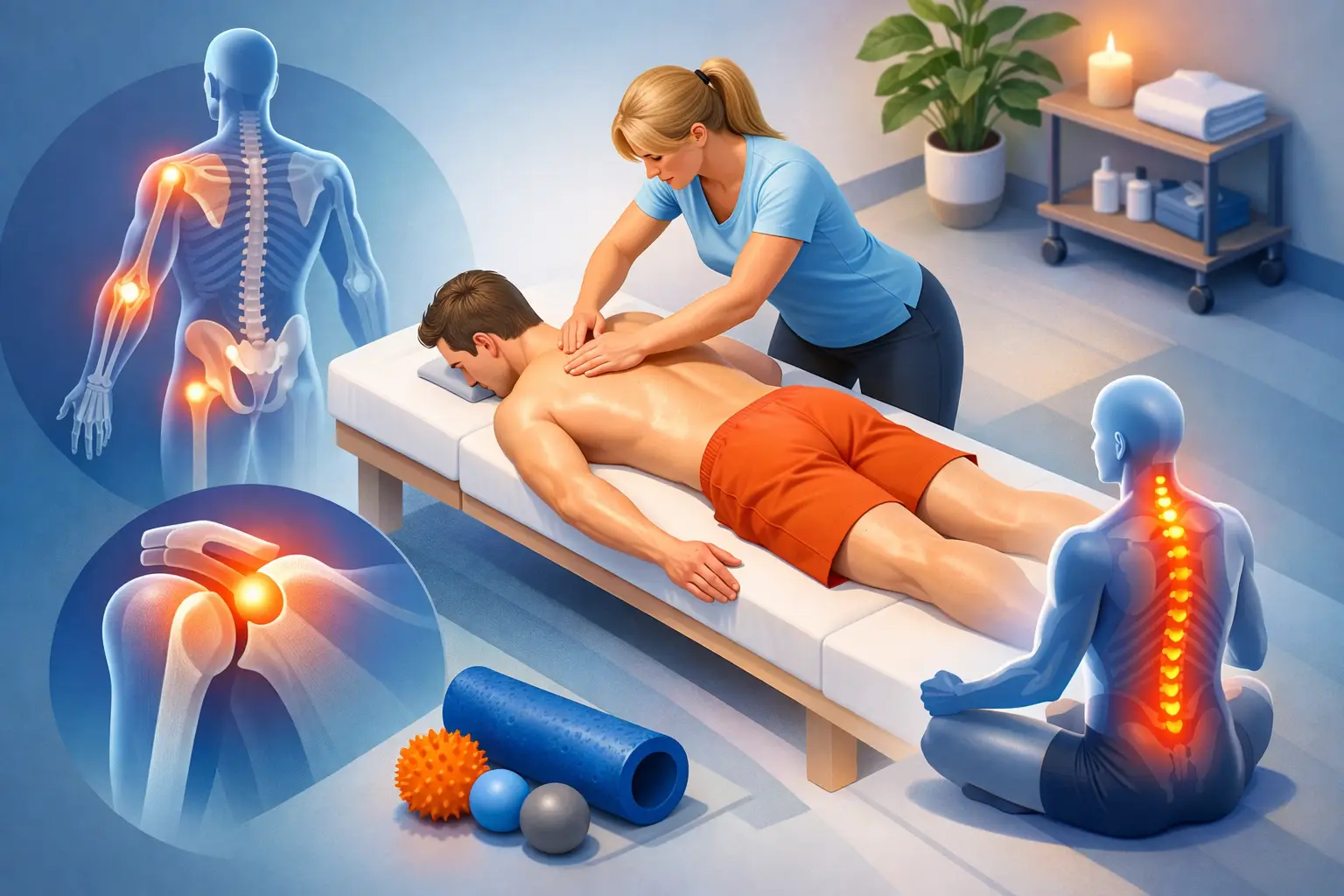
That stiff turn when backing out of a parking space. The hip that feels tight halfway through a walk. The shoulders that refuse to settle after hours at a desk. Finding the best bodywork for restricted movement is less about chasing the most intense massage and more about identifying what is limiting your body in the first place.
Restricted movement can come from overworked muscles, repetitive habits, old injuries, stress, poor recovery, joint irritation, or the protective tension your body holds when it does not feel safe to move fully. The right session should not simply leave you sore. It should help you feel more aware of your body, more comfortable in your range of motion, and better prepared to move through real life.
What Restricted Movement Actually Feels Like
Movement restriction is not always dramatic. Sometimes it is a clear loss of motion, like being unable to comfortably raise an arm overhead or rotate your neck while driving. Other times, it shows up as compensation: you shift your weight to one side, shorten your stride, avoid squatting, or brace your shoulders when you reach.
Muscles are often part of the picture, but they are not always the whole story. Fascia, the connective tissue surrounding muscles and other structures, can feel less adaptable after repetitive loading or periods of inactivity. Trigger points can make a muscle feel painful or weak. Stress can keep the nervous system on alert, making normal movement feel guarded.
That is why one generic massage style is not automatically the answer. Effective bodywork looks at how you move, where you feel discomfort, how your tissues respond to pressure, and what your daily demands are. A runner with stubborn calf tightness needs a different approach than a teacher with neck tension, or a warehouse worker whose hips and low back are doing too much work.
Best Bodywork for Restricted Movement: Start With the Cause
The best approach depends on your symptoms, health history, and goals. Some people need focused therapeutic work. Others need their system to calm down before deeper techniques will be useful. Often, the most helpful session blends methods rather than relying on one modality from start to finish.
Myofascial Release for Stiff, Bound-Up Tissue
Myofascial release uses sustained, intentional pressure and slower stretching techniques to address restrictions in connective tissue and muscle. It can be especially helpful when you feel pulling, stiffness, or a sense that one area is affecting another.
For example, tightness through the chest and front of the shoulders may contribute to limited overhead reach. Restriction around the hips, thighs, or lower legs can change how your knees and ankles move. Myofascial work is not about forcing a release. It is about giving tissue time to soften and allowing the body to respond without fighting the pressure.
This work can feel less flashy than fast, deep strokes, but many clients notice meaningful changes in ease of movement afterward. It is particularly useful for people whose bodies feel chronically compressed from desk work, training, caregiving, or long commutes.
Trigger Point Therapy for Specific Pain Patterns
A trigger point is a sensitive, irritable area in muscle that may refer discomfort somewhere else. A knot in the upper shoulder can contribute to headaches or pain down the arm. Tight points in the glutes may create discomfort around the hip or low back. Trigger point therapy applies focused pressure, then gives the tissue an opportunity to relax.
This is one of the best choices when you can point to a familiar spot and say, “That is the one.” It works well for localized muscular tightness, repetitive-use patterns, and areas that keep tightening back up after temporary relief.
There is a trade-off: focused work can be intense. More pressure is not always better, especially if your nervous system is already stressed or the tissue is highly reactive. A skilled therapist adjusts pressure, pacing, and duration so the work is productive rather than overwhelming.
Deep Tissue Massage for Chronic Muscle Tension
Deep tissue massage can be valuable for long-standing tension and muscular adhesions, particularly in larger areas such as the back, hips, thighs, and shoulders. The goal is not to “break up” your body. It is to work deliberately through deeper layers of muscle using controlled pressure and thoughtful technique.
This modality may suit active adults, athletes, and people whose work places repeated demands on the same muscles. But deep tissue is not a contest. If you leave a session feeling bruised, guarded, or unable to comfortably move for days, the pressure or pacing may not have been right for you.
The most effective deep work is usually paired with relaxation-focused touch, breath, and communication. When the body can settle, it is often more receptive to the therapeutic work that follows.
Thai Yoga Massage for Mobility and Whole-Body Movement
Thai yoga massage combines assisted stretching, rhythmic compression, and joint mobilization. You remain comfortably clothed while the therapist guides your body through supported positions that can improve your sense of space and mobility.
This can be a wonderful option for people who feel stiff in several places at once. It is especially appealing if you want more than table-based muscle work and enjoy the feeling of guided stretching without having to direct your own practice.
Thai yoga massage is not ideal for every situation. Acute injuries, certain joint conditions, recent surgeries, osteoporosis, or severe pain may require modifications or a different approach. Always share relevant medical history before your session so care can be adapted appropriately.
Cupping for Areas That Feel Heavy or Stuck
Cupping uses suction to lift tissue rather than compress it. Many people appreciate it for tight backs, shoulders, hamstrings, calves, and other areas that feel heavy, restricted, or slow to recover after activity.
It can complement massage and myofascial work by changing the sensation of tightness and helping an area feel more mobile. Cupping marks are possible, and they can last for several days. They are not a sign that toxins have been removed or that the treatment was necessarily more effective. They are simply a common response to suction and should be discussed before treatment.
Swedish Massage and Craniosacral Work for Guarded Bodies
If your movement restriction gets worse during stressful weeks, relaxation is not a side benefit. It may be part of the treatment. Swedish massage uses flowing strokes and calming pressure to reduce overall tension, while craniosacral bodywork offers a quieter, gentle approach for people who need their system to downshift.
When your body is constantly bracing, aggressive work can make you guard even more. A gentler session can create the conditions for freer movement by helping you breathe more deeply, sleep better, and stop holding tension everywhere at once. This is not “just relaxation.” It is appropriate care for a body that has been carrying too much.
What a Personalized Session Should Include
A good bodywork session for restricted movement begins with a conversation. Your therapist should ask what feels limited, when it started, what makes it better or worse, what activities matter to you, and whether you have relevant diagnoses, injuries, surgeries, or medications.
From there, the work may combine focused massage, myofascial release, trigger point therapy, stretching, cupping, or calming modalities based on what your body needs that day. At Life4orceTouch, this individualized approach matters because no two tight shoulders, stubborn hips, or post-workout recovery needs are exactly alike!
You should also leave with realistic expectations. One session may make a real difference in comfort and awareness, but long-standing patterns often respond best to consistent care. Depending on your goals, that may mean a short series of sessions, periodic maintenance massage, or bodywork alongside physical therapy, strength training, mobility practice, and medical care.
When Massage Is Not the First Step
Bodywork can support many common movement concerns, but it is not a replacement for medical evaluation. Seek prompt medical care for sudden weakness, numbness, loss of coordination, unexplained swelling, fever, severe pain after trauma, chest pain, or changes in bladder or bowel control.
If you have a recent injury, inflammatory condition, blood-clot risk, uncontrolled health condition, pregnancy concerns, or are recovering from surgery, tell your therapist before booking. Sometimes the best care is lighter work, a modified session, or clearance from your healthcare provider first.
Restricted movement does not have to become your normal. Start with bodywork that listens to your body instead of trying to overpower it, then give yourself the consistency and recovery time to let better movement become familiar again.