
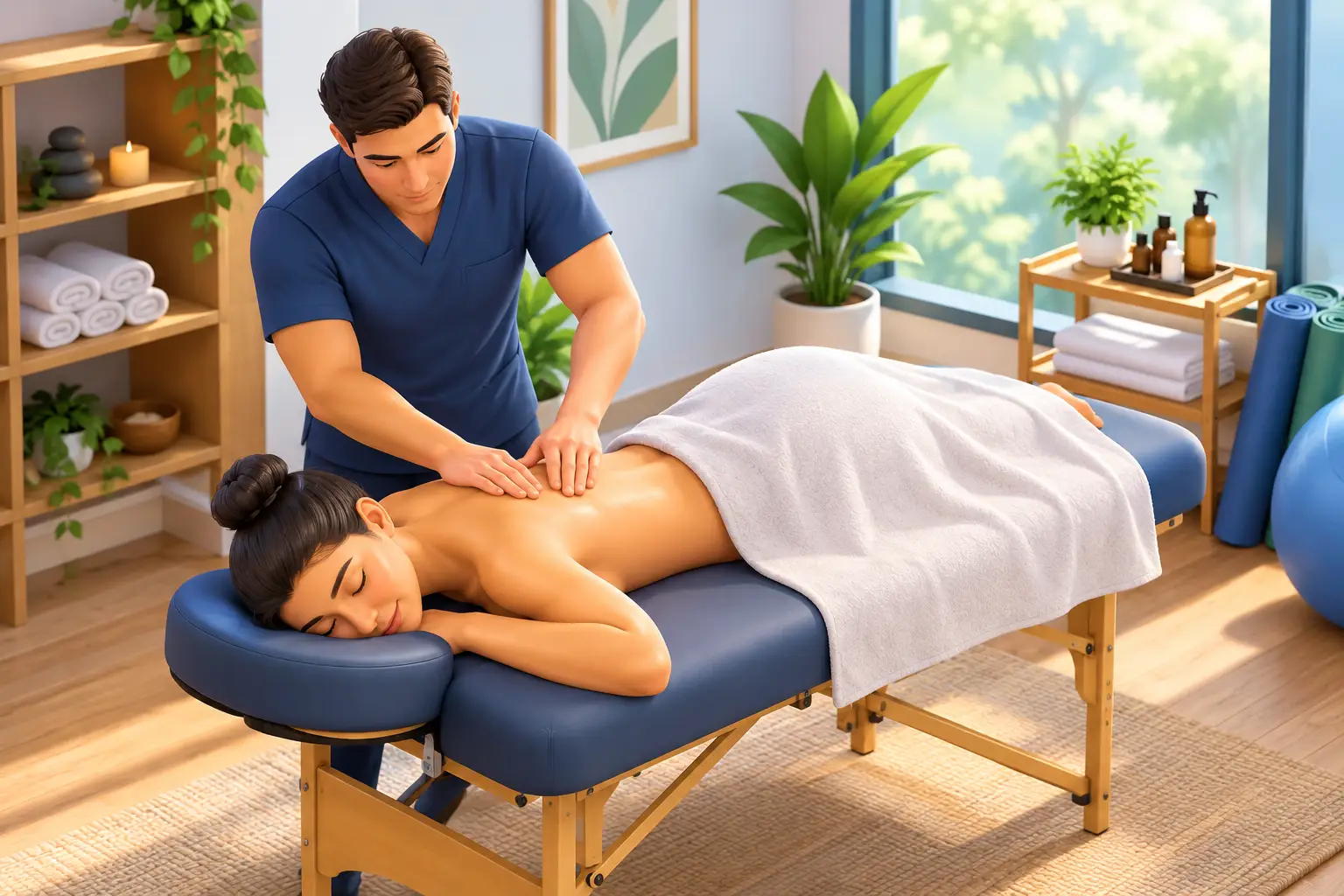
Your shoulders do not tighten up because you failed to stretch once. Your low back does not start protesting because you had one long day. Most discomfort is built over time – through commuting, workouts, desk work, caregiving, stress, old injuries, and the simple reality of carrying a lot. Personalized bodywork services give your body a dedicated space to release that buildup, move with more ease, and feel cared for!
At Life4orceTouch, every session is shaped around what is happening in your body today. Some days, that may mean slow, calming Swedish massage and hot stones. Other days, it may mean focused deep tissue work, trigger point therapy, myofascial release, or assisted stretching to address stubborn restrictions. This is not one-size-fits-all massage. It is hands-on care with a purpose.
What Bodywork Services Can Support
Bodywork is a broad term for therapeutic, hands-on approaches that support the muscles, connective tissue, nervous system, circulation, and your overall sense of well-being. Massage is part of bodywork, but bodywork can also include techniques that work with movement, pressure points, energy balance, and the fascia that surrounds and connects the body.
For busy people across West Philadelphia and the greater Philadelphia area, this care can be a practical part of staying active. You do not have to wait until tension becomes unbearable to schedule a session. Regular care may help you notice your body sooner, recover more comfortably after demanding activity, and build a better relationship with rest.
Clients often seek bodywork for persistent neck and shoulder tightness, low back discomfort, sore legs after training, limited range of motion, stress-related tension, headaches connected to muscular holding patterns, and the deep fatigue that comes from always being on the go. It can also be valuable when you simply miss healthy, respectful human touch. Touch deprivation is real, and a professional therapeutic session can offer a grounded way to reconnect with your body.
Bodywork is not a replacement for medical diagnosis or urgent care. If you have sudden severe pain, unexplained swelling, numbness, fever, a recent serious injury, or a condition that needs medical attention, consult an appropriate health professional first. The best wellness plan sometimes includes more than one kind of support.
Choosing the Right Type of Bodywork
The right modality depends on your goals, health history, sensitivity, activity level, and how your body responds to pressure. More intense is not always more effective. A session should be productive without leaving you feeling punished.
For stress, sleep, and total-body reset
Swedish massage is an excellent starting point for massage newcomers and anyone whose body needs to come down from high alert. Flowing strokes and supportive pressure can encourage relaxation while helping you become more aware of where you hold tension.
Hot stone massage can add comforting warmth to this experience. Heat may help muscles soften, making it easier to work through areas that feel guarded without immediately reaching for deeper pressure. This can be especially welcome during colder months or after weeks of feeling stiff and depleted.
Shiatsu, Reiki, and craniosacral bodywork offer gentler approaches for clients who are looking for quiet, restorative care. These services are not about forcing a muscle to release. They focus on calming, balancing, and creating room for the body to settle.
For tight muscles, movement limits, and recovery
Deep tissue massage uses slower, more focused work to address deeper muscular layers and chronic holding patterns. It can be a great fit for people who sit for long hours, lift weights, train regularly, or have areas that always seem to tighten back up.
Myofascial release works with fascia, the connective tissue that surrounds muscles and other structures. When fascia feels restricted, movement can feel limited or uneven. Rather than rushing through the area, this approach often uses sustained, intentional contact to encourage greater ease.
Trigger point therapy is useful when a very specific tender spot seems to send discomfort elsewhere. That knot near your shoulder blade, for example, may be part of a larger pattern involving your neck, upper back, posture, or repetitive movement. Targeted work can be effective, but it should always be adjusted to your comfort level.
Cupping can be another helpful tool for clients with muscle tightness and recovery needs. It creates suction on the skin and may leave temporary circular marks. Those marks are not bruises, but they are visible, so timing matters if you have an event, photo session, or beach weekend coming up.
For flexibility and active bodies
Thai yoga massage blends assisted stretching, rhythmic pressure, and movement. It can be a wonderful choice for active adults who want to improve mobility while receiving bodywork. You remain comfortably clothed, and the session can feel like a supported stretch practice paired with therapeutic touch.
Thai reflexology focuses on the feet and lower legs, areas that work hard whether you are running, standing at work, commuting, or simply navigating city sidewalks all day. Foot-focused care can feel surprisingly restorative when your whole body is tired.
Why a Personalized Session Matters
A menu with many modalities is only useful when the therapist knows how and when to use them. Your session should begin with a real conversation about what feels off, what has helped before, what activities you need to return to, and what you want from your time on the table.
Maybe you came in asking for deep tissue massage, but your body is exhausted and sensitive after a difficult week. In that case, a combination of Swedish massage, gentle myofascial work, and heat may be the smarter choice. Or perhaps you booked relaxation massage but mention that your hip has felt restricted since increasing your running mileage. Focused work and assisted stretching may become part of the plan.
This flexibility is what makes therapeutic bodywork different from a routine spa experience. The goal is not to perform the same sequence on every client. The goal is to listen, assess, adapt, and provide care that makes sense for your body.
At a solo private practice, you also have continuity. You are not starting over with a new therapist every visit. Over time, your practitioner can better understand your patterns, preferences, pressure needs, and goals. That relationship can make regular care feel more effective and more comfortable.
How to Get More From Your Appointment
You do not need to arrive perfectly hydrated, flexible, or relaxed. Just arrive ready to communicate. Mention old injuries, recent workouts, areas that feel tender, medications or health changes, and whether you prefer lighter or firmer pressure. Clear feedback during the session is always welcome.
After bodywork, give yourself a little room to notice how you feel. Drink water because hydration is good daily practice, not because massage magically flushes toxins. A gentle walk, a warm shower, and a quieter evening can help you enjoy the effects of your session. If you receive deep, focused work, mild soreness for a day or two can happen. Sharp pain, worsening symptoms, or discomfort that concerns you deserves follow-up with a health professional.
Frequency depends on your goals. A person recovering from an intense training block or managing ongoing muscular tension may benefit from more consistent appointments at first. Someone using massage mainly for stress relief may prefer a monthly reset. Your budget, schedule, physical demands, and response to treatment all matter. Body maintenance should support your life, not become another source of pressure.
Make Bodywork Part of Your Local Wellness Routine
Choosing a neighborhood practice means choosing care that is invested in the people around it. When you support a local small business, your wellness dollars stay connected to the community – and you get a more personal experience in return!
Life4orceTouch brings a broad range of therapeutic and restorative modalities into one client-centered practice, so your care can change as your needs change. Whether you are seeking recovery after workouts, relief from desk-bound tension, a calming reset, or more freedom of movement, there is room to create a session that meets you where you are.
Your body works hard for you every day. Give it more than a quick fix when it finally asks for attention. Schedule time to be listened to, cared for, and restored – then carry that ease into the rest of your week.