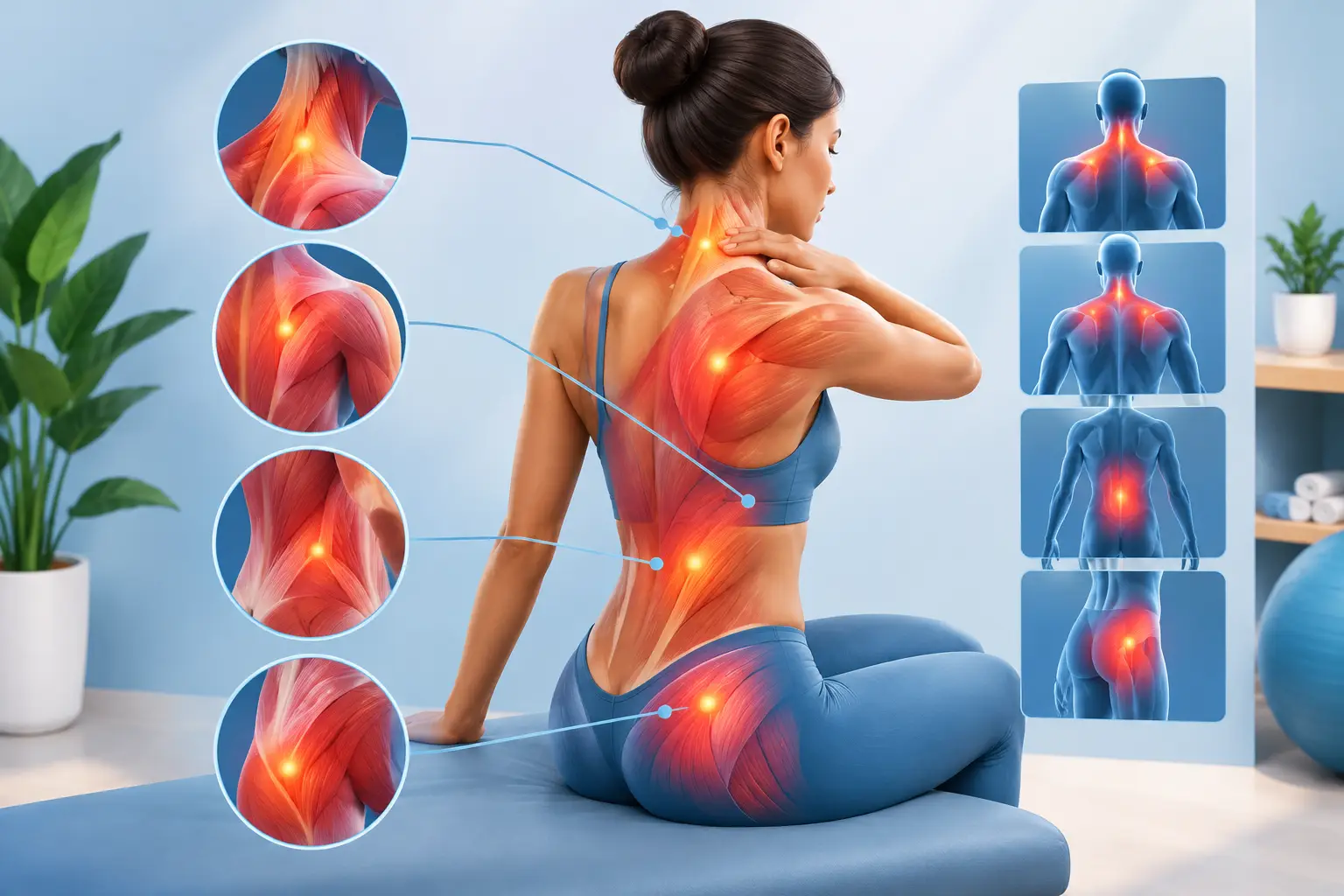
A stubborn knot between your shoulder blades, calves that never seem to loosen after a run, or a low back that feels restricted every time you stand up can make one question feel urgent: what kind of bodywork will actually help? When comparing cupping versus myofascial release, the best choice is rarely about which service sounds more intense. It is about what your body is holding, how you respond to touch, and what you want to feel better doing.
Both approaches can be powerful additions to therapeutic massage. Both may help address tension, discomfort, and movement restrictions. Yet they work differently, feel different during a session, and can leave different aftereffects. Here is a clear way to understand the difference so you can book with confidence!
Cupping Versus Myofascial Release: The Core Difference
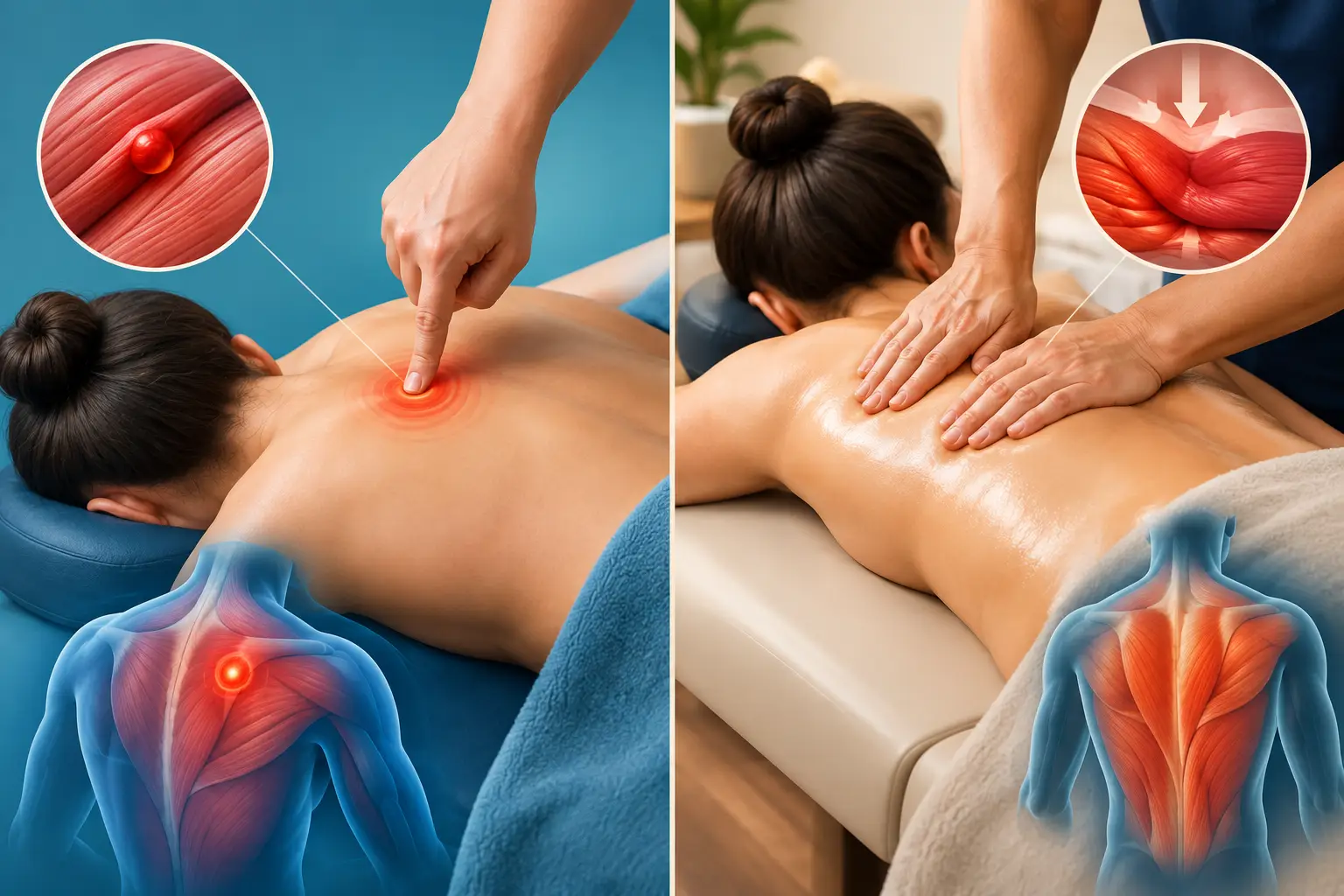
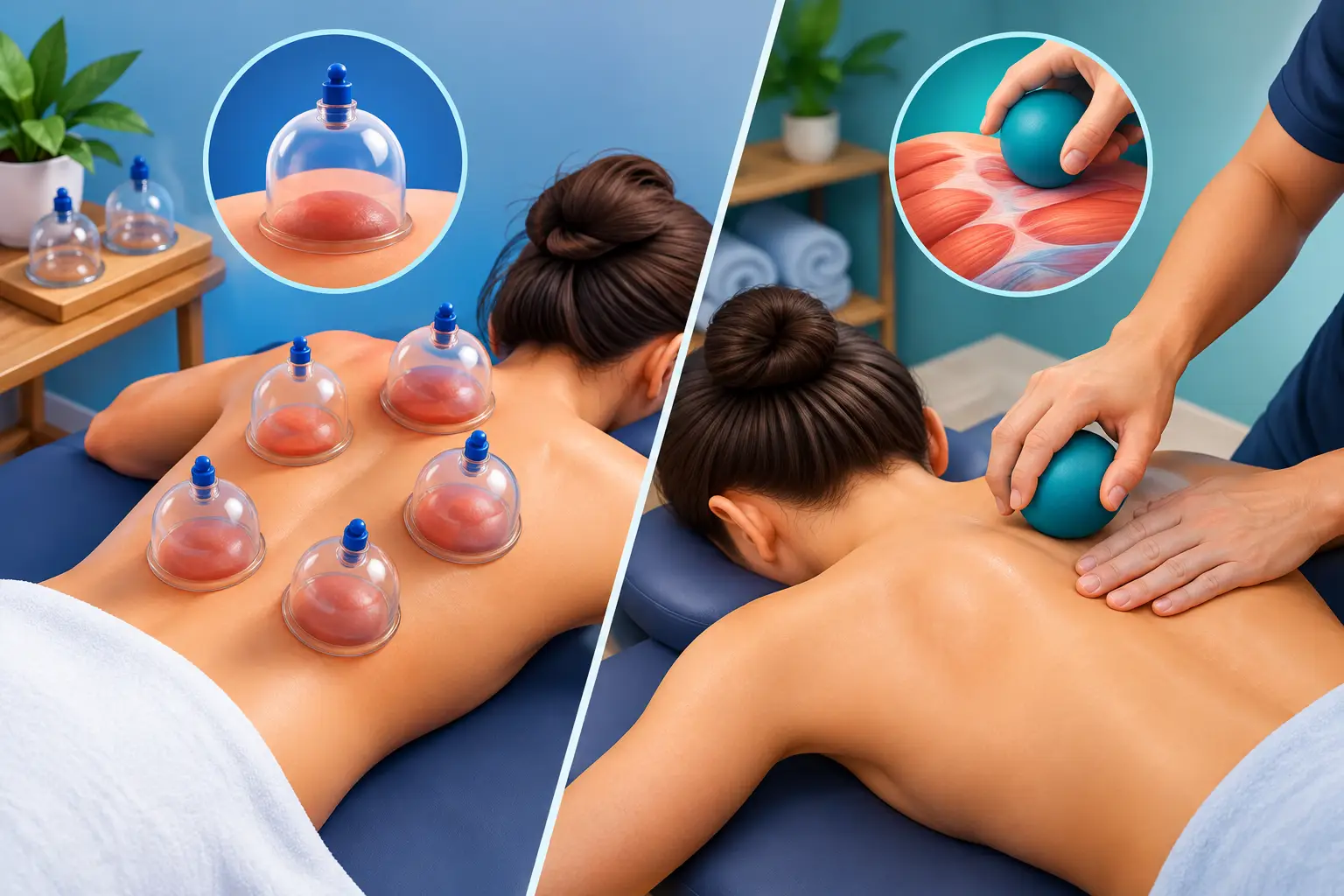
Cupping uses specialized cups to create suction on the skin and underlying tissue. Depending on the technique, the cups may remain in one place for a short time or glide across an area with massage lotion. Rather than pressing down into tight tissue like deep tissue massage, cupping creates a lifting effect. Many clients describe it as a pulling, spreading, or decompressing sensation.
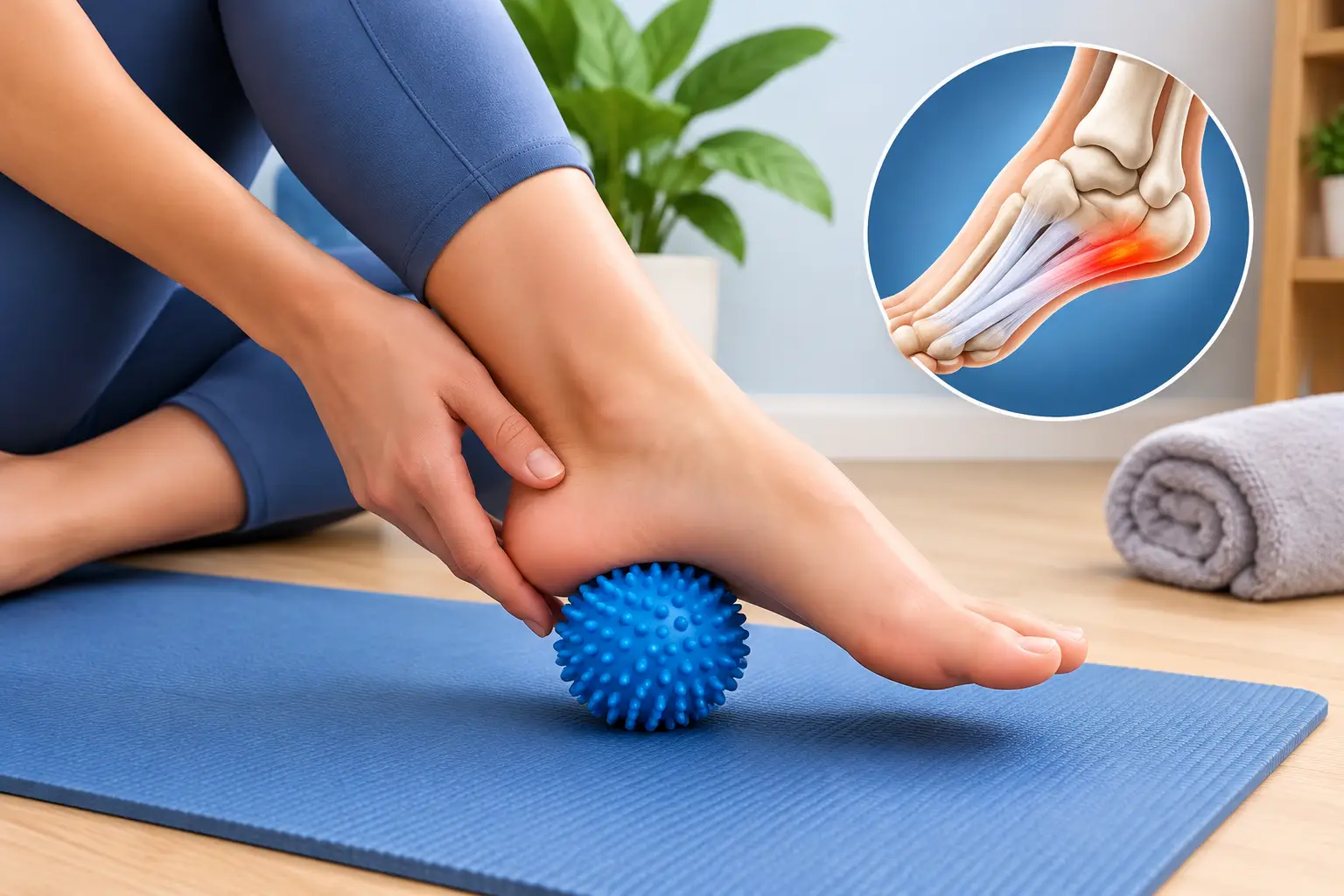
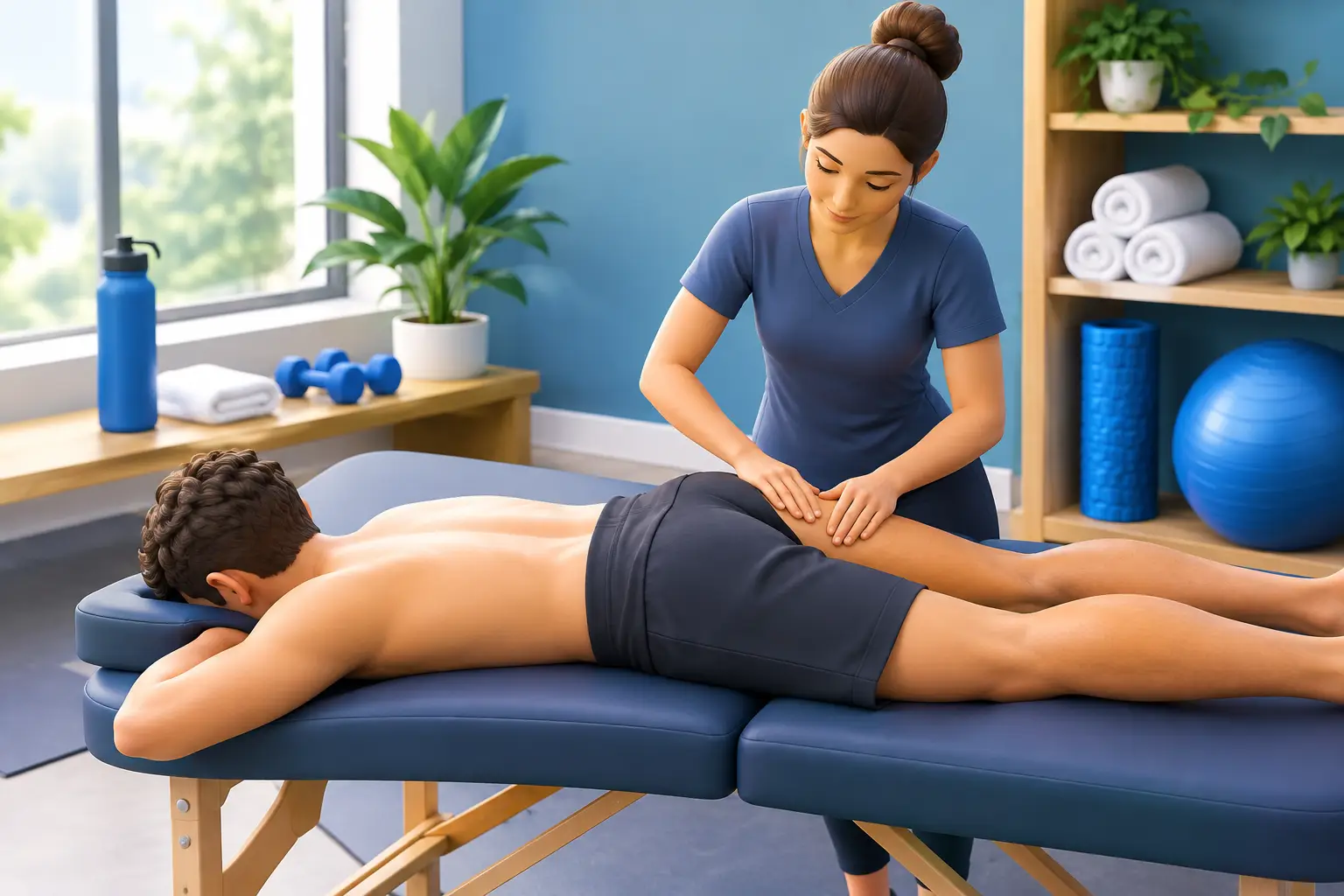
Myofascial release is a hands-on technique focused on fascia, the web-like connective tissue that surrounds and connects muscles, nerves, bones, and organs. A therapist uses sustained, intentional pressure and slow movement to work with areas that feel bound, dense, shortened, or restricted. It is not necessarily hard pressure. Often, the work is slow enough to give the tissue and nervous system time to respond.
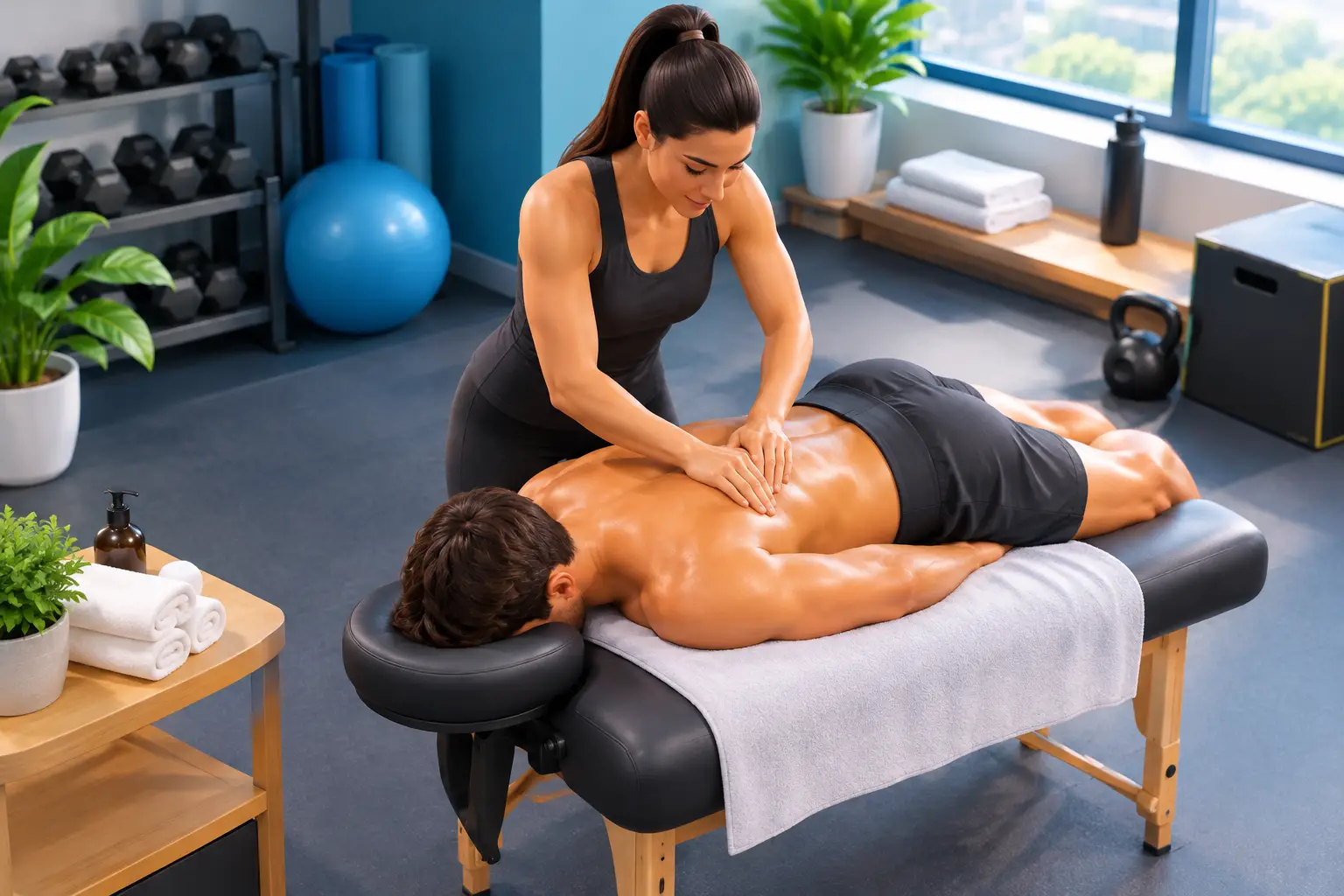
Think of the difference this way: cupping generally creates space by lifting tissue upward, while myofascial release works through steady contact to soften and lengthen restrictions. A skilled massage therapist may use either approach alone or combine them with deep tissue massage, trigger point therapy, stretching, or relaxation massage based on what your body needs that day.
When Cupping May Be a Great Fit
Cupping can be especially appealing when an area feels congested, overworked, or compressed. Active clients often enjoy it for tight shoulders, upper-back tension, stiff hips, sore hamstrings, and post-workout recovery. It may also be useful for people who want focused work but find direct deep pressure uncomfortable.
Because the cups lift tissue, some people feel a sense of lightness or freer movement immediately afterward. Sliding cupping can be particularly useful across broad areas such as the back, glutes, thighs, and calves. Stationary cups may be used more selectively around persistent areas of tension.
The visible circles associated with cupping are not bruises in the usual sense, but they can look dramatic. The marks are a temporary response to suction and can range from light pink to deep purple depending on your skin, circulation, tissue sensitivity, and the amount of suction used. They may last a few days or longer. If you have an event, photo shoot, beach day, or important meeting where visible marks would be inconvenient, say so before your session.
Cupping is not supposed to be an endurance contest. Stronger suction is not automatically better. The right intensity is the amount that feels therapeutic without leaving you bracing, panicked, or painfully sore afterward.
Cupping may be less suitable when
Cupping is not appropriate over open wounds, active skin irritation, sunburn, or certain areas with fragile skin. It may also require extra caution for people who bruise easily, take blood-thinning medication, have a bleeding disorder, or have specific vascular or medical concerns. Pregnancy, recent surgery, and active illness are also reasons to discuss your situation before receiving treatment.
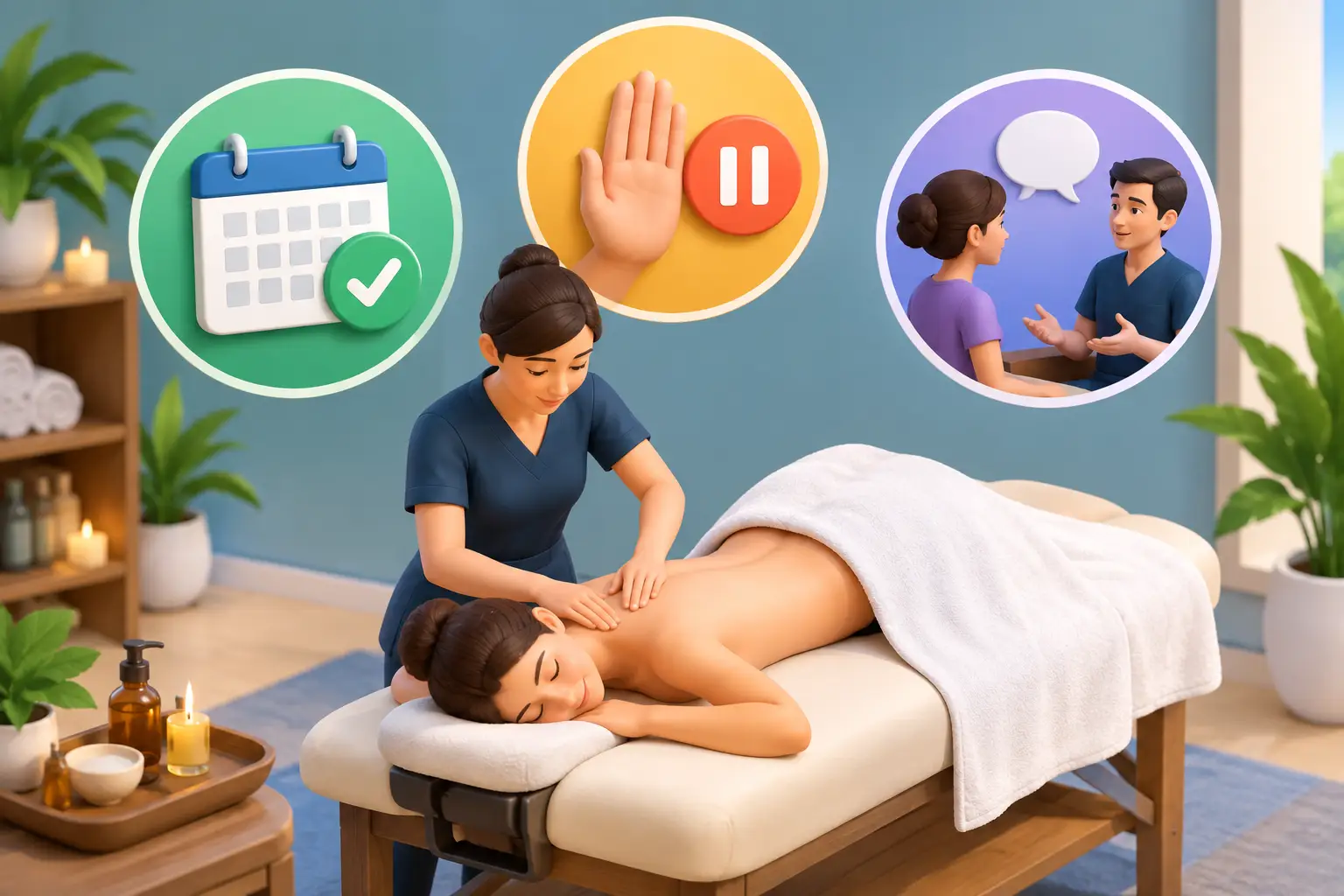
A responsible session begins with a health intake and a real conversation. Your therapist should adjust the plan, choose another modality, or encourage medical guidance when that is the safer path.
When Myofascial Release May Be the Better Choice
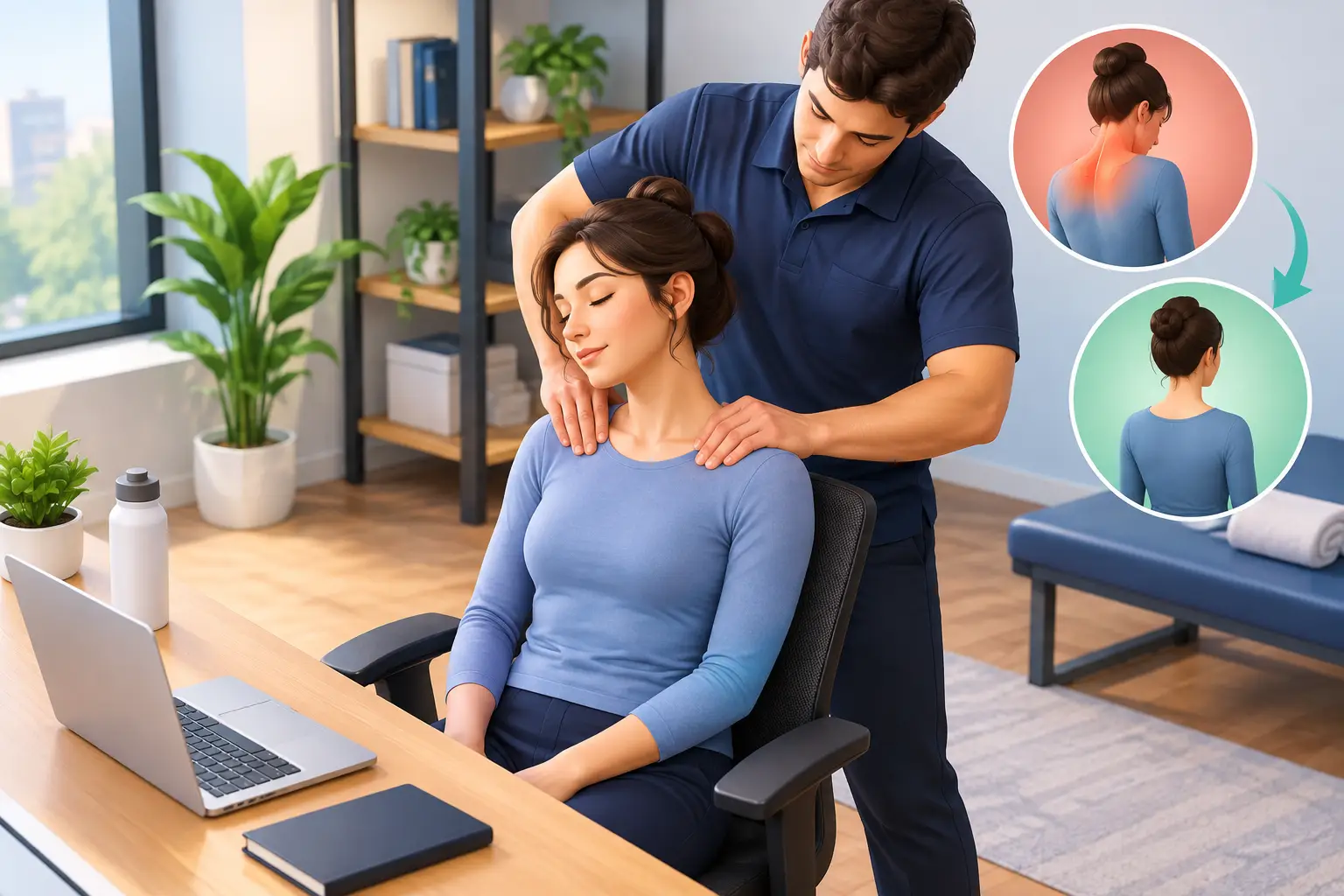
Myofascial release often shines when tightness feels less like ordinary muscle soreness and more like a stubborn restriction in how you move. Maybe you cannot comfortably rotate your neck while driving. Maybe one hip feels like it will not extend during a walk or workout. Maybe your chest and shoulders feel drawn forward after long hours at a desk.
This work can be valuable for persistent patterns because it does not rush past the body’s protective response. Slow, sustained contact can help clients notice where they are gripping, guarding, or compensating. The goal is not to force tissue to change. It is to invite better glide, more available movement, and a calmer response from the nervous system.
During a myofascial release session, you may feel pressure, stretching, warmth, or a gradual unwinding sensation. Sometimes the change is immediate. Other times, the biggest benefit is that you move more freely later that day or wake up feeling less restricted the next morning. Hydration, gentle movement, and paying attention to how your body responds can help you get the most from the session.
Myofascial work is especially useful for clients who want focused therapeutic care but do not want aggressive massage. It can also pair beautifully with Swedish massage for stress relief, trigger point therapy for specific knots, or Thai yoga massage for assisted stretching and mobility.
Which One Helps Pain More?
There is no universal winner. Pain is not a simple signal that one technique can erase on command. It can involve overloaded muscles, repetitive movement, stress, sleep, old injuries, posture habits, training volume, and nervous system sensitivity. That is why a personalized treatment plan matters more than choosing the trendiest modality.
If your upper back feels heavy and compressed after workouts or desk work, cupping may provide a refreshing sense of release. If your shoulder movement is limited and the restriction seems to return again and again, slower myofascial release may be a better starting point. If you have a highly specific tender spot, trigger point therapy may also be part of the conversation.
For many clients, the answer is both. Cupping may help prepare a broad area, while myofascial release can address more specific movement restrictions afterward. The order, pressure, and duration should be based on your goals and your response in real time, not a one-size-fits-all routine.
What to Expect After Your Session
After either service, it is common to feel relaxed, looser, mildly tender, or pleasantly tired. Some people experience a noticeable increase in range of motion right away. Others need a day or two for their body to settle. Mild soreness can happen, particularly if an area has been tense for a long time or if you are new to therapeutic bodywork.
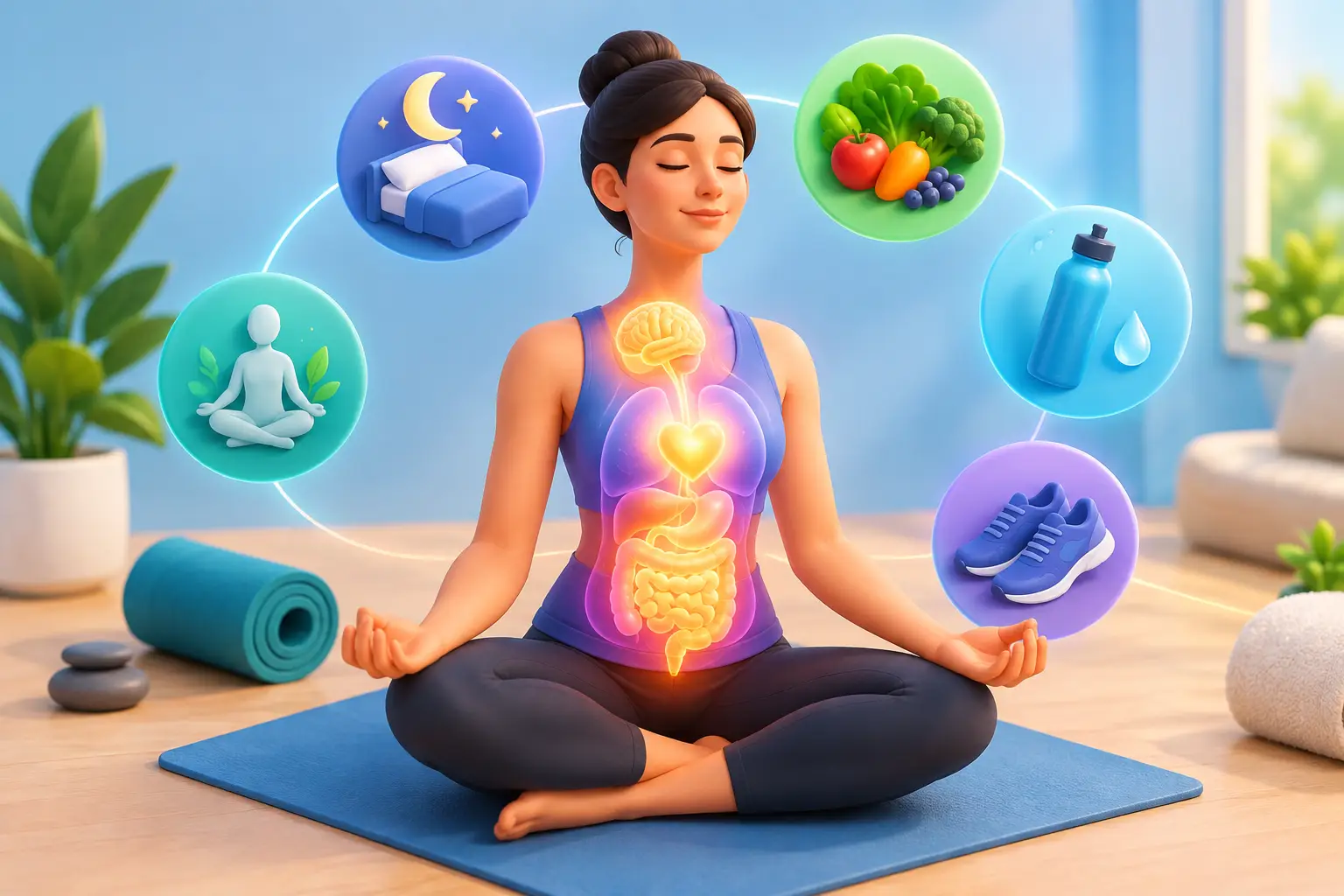
Plan to drink water, eat normally, and avoid jumping immediately into a punishing workout if your body feels tender. Easy walking, gentle mobility work, and a good night of sleep are often more supportive than trying to “push through.” Contact a medical professional if you have unusual or worsening symptoms after any treatment.
Consistency matters, too. One excellent massage can create relief, but recurring tension usually has a story. Regular bodywork, better recovery habits, movement breaks, strength and mobility training, and stress support can all play a role in changing that pattern.
Choose the Treatment That Meets You Where You Are
At Life4orceTouch, your session is not about checking a modality off a menu. It is about listening to what your body has been carrying and choosing techniques that support your goals, whether that means recovery after training, less pain at your desk, more comfortable movement, or a deeply restorative reset.
If you are curious about cupping versus myofascial release, bring your questions to the treatment room. Describe what hurts, what movements feel limited, what has helped before, and what you are nervous about. The right bodywork should feel like informed care tailored to you, with room to adjust as your body gives feedback. Your body does a lot for you every day. Give it the focused attention it has been asking for!