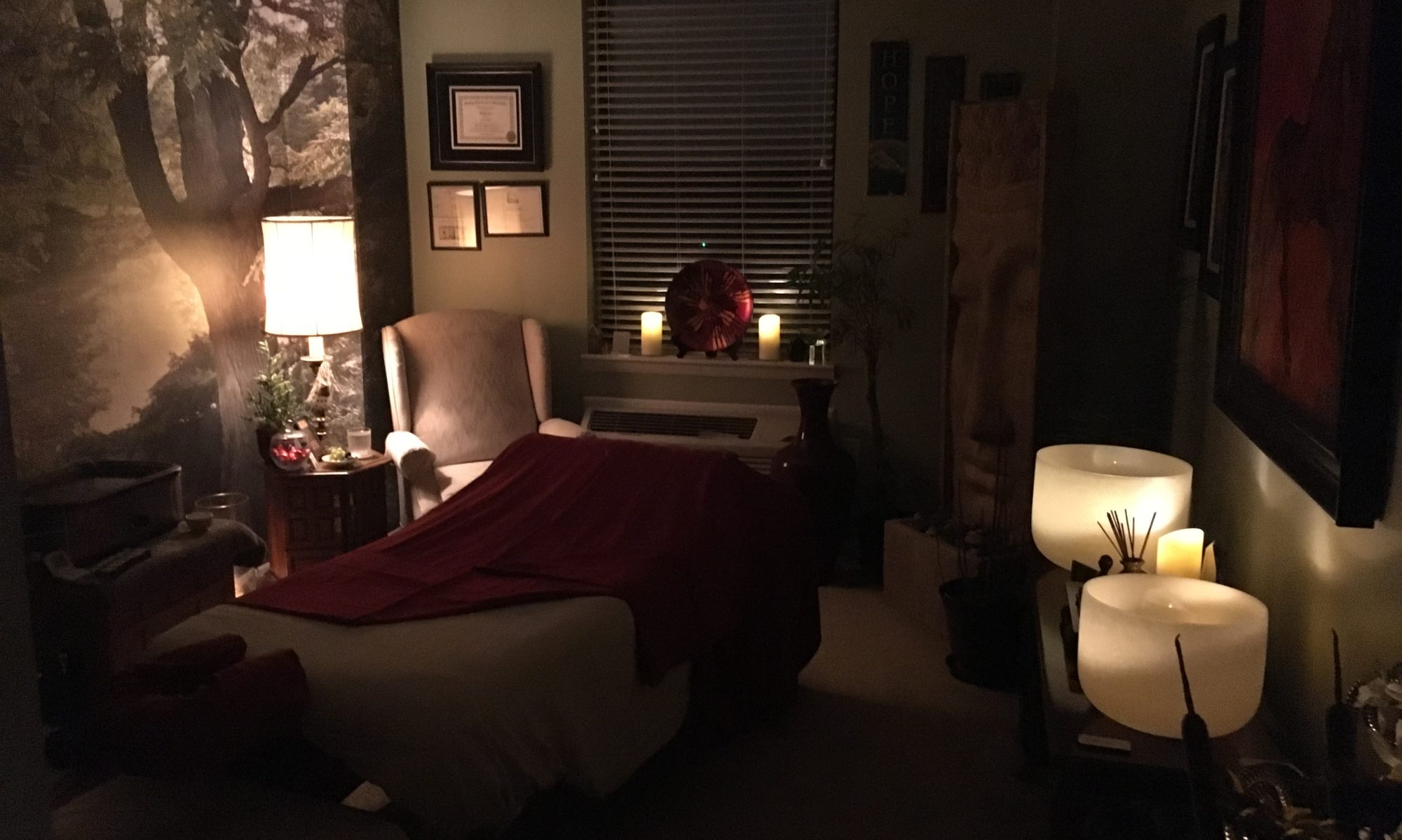

That tight jaw after a long workday, the shoulders creeping toward your ears, the feeling that you are exhausted but cannot truly rest – these are familiar signs that your body may be carrying more stress than it can comfortably process. This guide to nervous system relaxation is for people who want practical, body-centered ways to shift out of constant alert mode and back toward ease.
Your nervous system is not a switch you can force into the “off” position. It responds to signals of safety, rhythm, rest, nourishment, movement, and supportive touch. The goal is not to eliminate every stressful moment. It is to give your body regular opportunities to recover so tension does not become your default setting.
What nervous system relaxation actually feels like
When your system is running on high alert, you may notice shallow breathing, racing thoughts, irritability, poor sleep, digestive changes, headaches, clenched muscles, or a sense that even simple tasks feel like too much. Stress can be mental, but it shows up physically. Your body is trying to protect you, even when the threat is an overflowing inbox, a difficult commute, a hard workout, or months of caring for everyone else.
Relaxation is often less dramatic than people expect. It may feel like a fuller exhale, warmth in your hands, a softer belly, easier movement in your neck, or the ability to sit still without immediately reaching for your phone. You may sleep more deeply or realize that your usual pain flare-up is not shouting quite as loudly.
For some people, slowing down can initially feel uncomfortable. If you are used to staying busy, quiet time may bring up restlessness or emotion. That does not mean relaxation is failing. It means you may need to begin gently and build tolerance for stillness in small, realistic doses.
Start with the body, not just the to-do list
A stressed nervous system usually does not respond well to another demanding wellness assignment. You do not need a perfect morning routine, expensive equipment, or an hour of meditation to begin. The most useful practice is the one you can repeat when life is full.
Use a longer exhale
Try this while parked safely, sitting at your desk, or lying in bed: inhale comfortably through your nose, then let your exhale last a little longer than your inhale. There is no need to pull in a huge breath. A strained breath can create more tension. Instead, aim for a quiet, unhurried rhythm for one to three minutes.
Longer exhales can be a simple cue that the immediate moment is safe enough to soften. If breathing exercises make you lightheaded, anxious, or uncomfortable, return to your natural breathing and focus on another grounding practice instead.
Give tension somewhere to go
Stress often gathers in the places you use most: your hips after sitting, calves after training, forearms after computer work, or upper back after carrying bags, kids, and responsibilities. Gentle movement helps interrupt the freeze-and-clench pattern.
Take a slow walk around the block. Roll your shoulders without forcing them. Stretch your hands open and closed. Lie on the floor with your calves resting on a chair for a few minutes. If you exercise hard, remember that recovery matters as much as intensity. A nervous system that is already overloaded may benefit more from mobility work, easy walking, or restorative stretching than another all-out workout.
Create a repeatable transition ritual
Many people move directly from work stress to family duties, workouts, errands, scrolling, and bed. The body never receives a clear message that the demanding part of the day is over. A five-minute transition can change that.
When you get home, wash your hands with warm water and take several slow breaths. Change out of work clothes. Sit in your car for two quiet minutes before walking inside. Put on one calming song while you make dinner. The ritual itself does not have to be fancy. Its power comes from repetition.
A guide to nervous system relaxation through your senses
Your senses constantly report information to your brain. You can use that information to make your environment feel less activating and more supportive.
Light matters. Bright screens and overhead lighting late at night can make it harder for some people to wind down. Consider dimmer lamps, a screen break, or simply stepping outside for daylight earlier in the day to help your body recognize a clearer rhythm.
Sound matters too. Silence can be soothing, but it is not the only option. Gentle music, rain sounds, a fan, or a familiar podcast at low volume may help you settle. Choose what feels regulating to you, not what someone else says relaxation should sound like.
Temperature and texture can also help. A warm shower, heating pad, cozy socks, a weighted blanket, or cool water on the face may offer a comforting sensory reset. Pay attention to your response. If heat increases inflammation or makes you feel unwell, skip it. The right tool is the one your body receives well.
Why skilled therapeutic touch can help
For many people, massage is not merely a treat. Safe, attentive touch can offer a powerful break from the physical habits of stress. When your muscles have been guarding for days, weeks, or years, it can be difficult to relax them through willpower alone.
A personalized session can address the places where your body holds its workload while also giving you protected time to receive care. Swedish massage may be a wonderful choice when you need soothing, circulation, and full-body relaxation. Deep tissue work, myofascial release, trigger point therapy, Thai yoga massage, shiatsu, or craniosacral bodywork may be more appropriate when tightness, restricted movement, or chronic discomfort is part of the picture.
More pressure is not always better. If your nervous system is highly activated, an overly intense session can leave you feeling guarded rather than restored. Communicate clearly about pressure, tender areas, old injuries, and what you hope to feel after your appointment. Thoughtful therapeutic work should meet your body where it is, not force it to perform relaxation.
At Life4orceTouch, each session is shaped around your needs, whether that means calming Swedish massage, focused work for stubborn tension, or an integrative approach that supports recovery and mobility. That individualized attention matters when your body has been asking for relief in more than one language.
Support relaxation between appointments
Bodywork can be an excellent reset, but the benefits tend to last longer when daily habits support them. Think of recovery as regular maintenance, not a rescue plan reserved for the moment you hit a wall.
Start by noticing your patterns. Do you clench during meetings? Skip lunch and crash at 4 p.m.? Scroll in bed until midnight? Train hard without recovery days? You do not need to fix everything at once. Pick one pattern and make it a little kinder.
A few steady foundations can make a real difference:
- Eat regularly enough that your body is not running on stress and caffeine alone.
- Build short movement breaks into long stretches of sitting or standing.
- Protect a realistic sleep routine, even if it begins with a consistent wind-down time.
- Spend time with people and places that make you feel grounded, seen, and safe.
- Schedule recovery before your calendar becomes unbearable, especially during demanding work periods or training cycles.
These practices are not a substitute for medical or mental health care when you need it. If anxiety, panic, insomnia, pain, numbness, dizziness, trauma symptoms, or low mood is significantly affecting your daily life, reach out to an appropriate licensed health professional. Massage and restorative practices can be valuable support, but they work best as part of the care you need.
Make relaxation specific to your real life
The best nervous system practice is not always the quietest one. A parent may find regulation in ten minutes alone in the car. An athlete may need a recovery walk and a nourishing meal. A desk worker may need focused neck and hip work more than another productivity app. A person managing touch deprivation may benefit deeply from consistent, consent-based therapeutic massage.
Give yourself permission to be specific. Ask, “What would help my body feel 5% safer and less tense right now?” Maybe the answer is water, a meal, a phone-free walk, a nap, a stretching session, a conversation, or a massage appointment. Small answers count.
Your body does not need you to earn rest. It needs regular reminders that recovery belongs in your life. Start with one supportive choice today, then make room to repeat it tomorrow.