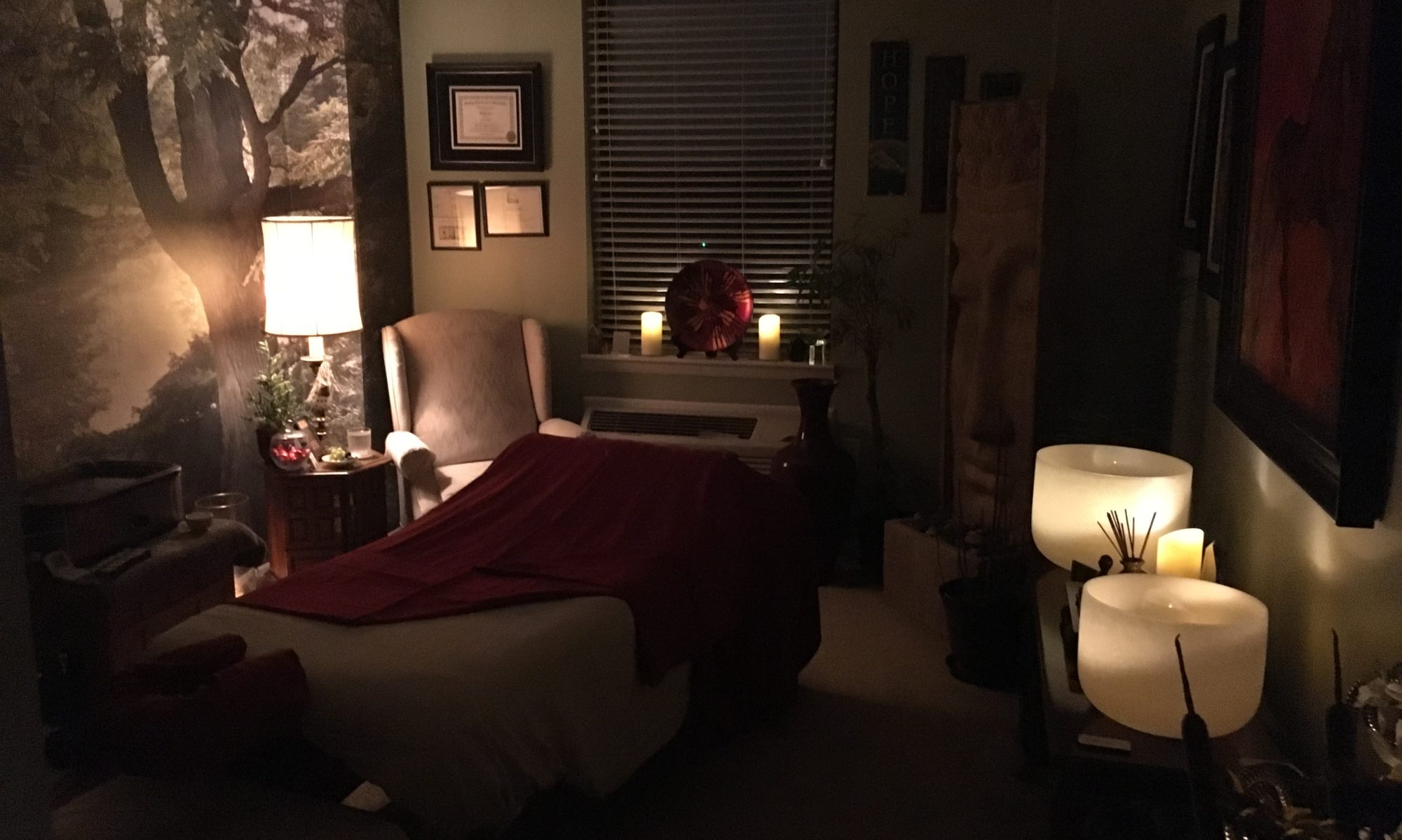
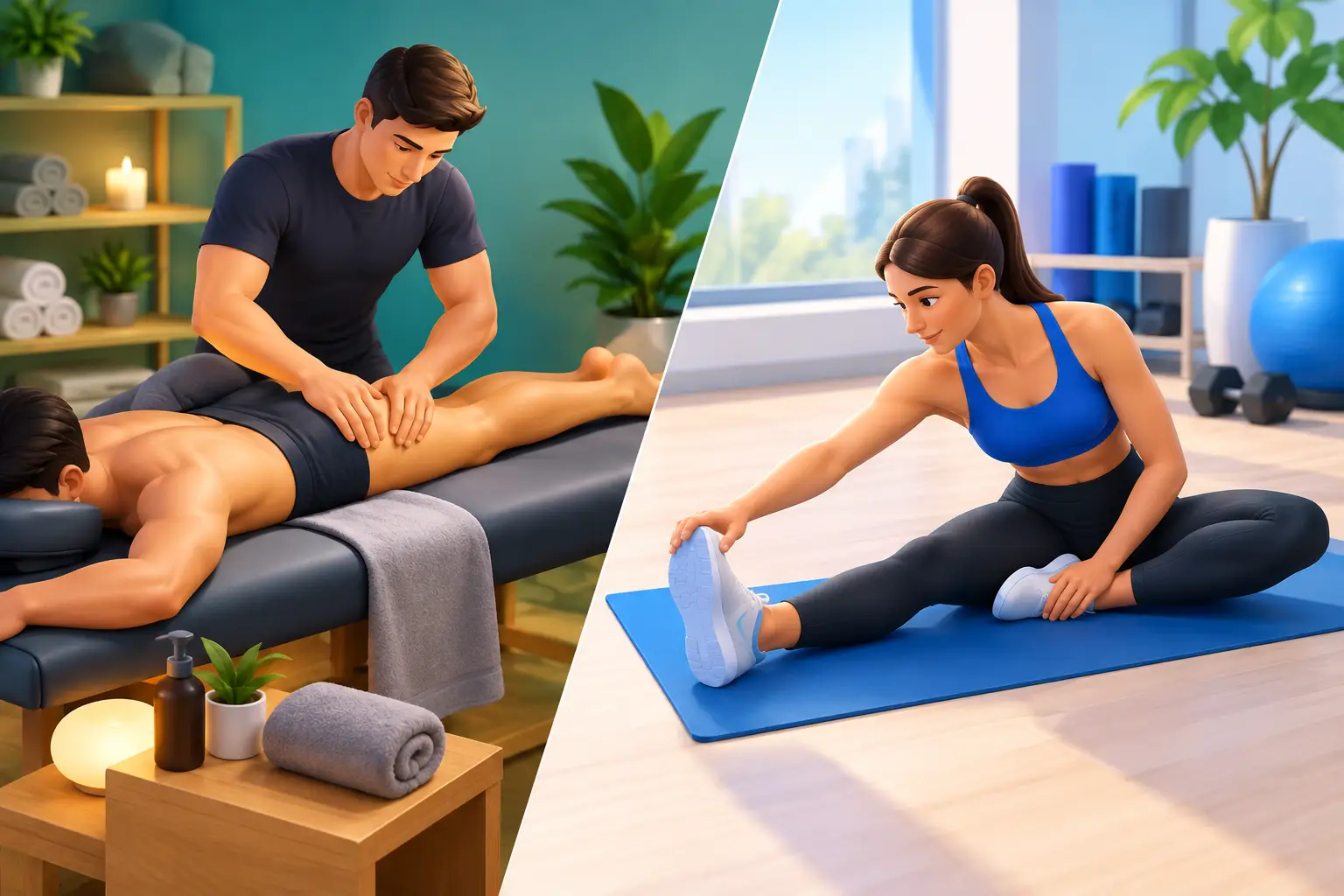
That tight, heavy feeling after a hard workout, a long shift, or too many hours at a desk is not always solved by forcing a deeper stretch. Recovery massage versus stretching is not a contest with one winner. Both can support a body that feels sore, restricted, overworked, or simply disconnected. The right choice depends on what your muscles and nervous system need that day.
A good recovery plan should not punish your body for being active. It should help you feel more comfortable moving through work, workouts, errands, sleep, and everyday life. Sometimes that means gentle movement. Sometimes it means skilled hands-on bodywork. Often, the best answer is a thoughtful combination of both!
Recovery Massage Versus Stretching: The Real Difference
Stretching is an active practice. You place a muscle or group of muscles under gentle lengthening tension, then hold or move through a range of motion. It can be done almost anywhere, costs nothing, and gives you immediate feedback about where your body feels limited.
Recovery massage is hands-on care designed to calm stressed tissues, improve comfort, and help your body shift out of its always-on mode. Depending on your needs, a session may include Swedish massage for relaxation, deeper therapeutic work for dense muscle tension, myofascial release for restrictions, trigger point therapy for stubborn referral patterns, or assisted movement such as Thai yoga massage.
The biggest difference is that stretching asks your body to do something, while massage gives your body a chance to receive care. Neither approach is automatically better. A runner with generally healthy mobility may benefit from a short, consistent stretching routine after training. Someone whose shoulders are locked up from stress, commuting, strength training, and poor sleep may need more than another aggressive doorway stretch.
When Stretching Is the Better First Move
Stretching can be very useful when the issue is mild stiffness and your body responds well to gentle movement. Think of the hips after a day at the computer, calves after a walk, or the upper back after driving across Philadelphia. A few minutes of easy, controlled mobility can help you feel less stuck.
It is especially helpful as a regular maintenance habit. Short sessions performed consistently tend to be more useful than one intense session when you are already sore. Dynamic movements before activity can prepare the body for motion, while slower, gentler holds after activity may feel calming when they are not pushed to the point of pain.
The key word is gentle. Stretching should create a mild pulling sensation, not sharp pain, numbness, tingling, cramping, or the feeling that you have to grit your teeth to get through it. If a stretch makes a problem worse, stop. More force is not the same as more progress.
Stretching also has limits. It may not fully address muscular guarding, stress-related tension, tender trigger points, or the complex compensation patterns that build when one area has been working overtime for months. If you keep stretching the same spot and it keeps tightening back up, your body may be asking for a different kind of attention.
When Recovery Massage May Help More
Recovery massage can be an excellent choice when soreness feels widespread, tension keeps returning, or you are too uncomfortable to move well on your own. It is also valuable when you want relief without having to figure out which stretch, angle, or muscle is the right target.
A personalized massage session can address more than the place that hurts. For example, persistent neck tension may involve the chest, shoulders, upper back, jaw, breathing patterns, and the way you use your arms at work. Tight hips may have a connection to the low back, glutes, thighs, feet, or training load. That is why individualized bodywork matters. The body is connected, and a standard one-size-fits-all routine may miss the real source of the restriction.
Massage can also support recovery through downshifting. Many people carry muscle tension because their nervous system is running on pressure all day. Deadlines, caregiving, workouts, traffic, poor sleep, and constant screen time can all leave the body braced. Relaxation-oriented techniques are not an indulgence in that moment. They can be a practical part of helping the body let go enough to move more comfortably.
Deep pressure is not required for an effective recovery massage. Sometimes deeper work is appropriate for long-standing density and stubborn tightness. Other times, slower Swedish massage, myofascial work, hot stones, or gentle craniosacral bodywork is the smarter choice. The goal is not to leave bruised or overwhelmed. The goal is to leave feeling more at ease in your body.
Why the Best Recovery Plan Often Uses Both
Massage and stretching work beautifully together when they are timed well. Massage may help reduce the feeling of guarding and give you a more comfortable starting point. Gentle stretching and mobility work can then help you maintain the movement you gained between sessions.
After a massage, resist the urge to immediately test every range of motion at maximum intensity. Give your body a little time to settle. Hydrate, take an easy walk, and use relaxed movement later that day or the next morning. A light hip opener, chest stretch, or slow spinal rotation may feel great. An intense flexibility session may be too much, particularly after focused deep tissue work.
On days when you cannot book a session, a small movement practice can keep your body from becoming completely sedentary. Try a few minutes of shoulder rolls, ankle circles, gentle cat-cow movements, supported squats, or a relaxed walk. The best routine is the one you can repeat without turning it into another stressful obligation.
At Life4orceTouch, recovery care is approached as personal, not generic. Your session can be adjusted for athletic training, work-related tension, chronic tightness, stress relief, mobility goals, or the simple need for restorative human touch. That flexibility matters because your body does not feel the same after every week, workout, or life event.
What About Delayed-Onset Muscle Soreness?
If you have delayed-onset muscle soreness, the tenderness that often appears a day or two after unusual or intense exercise, both approaches can help you feel better, but neither should be used aggressively. Light massage may feel soothing and support relaxation. Easy movement can reduce the stiff, creaky sensation that comes from staying still. Very deep work on severely sore muscles or intense stretching into pain can make the experience more uncomfortable.
Choose a lighter approach if your muscles are tender to touch, your energy is low, or you are recovering from a new workout routine. Save intense training for when your body feels ready. Recovery is part of fitness, not a detour from it.
Know When to Get Medical Guidance
Massage and stretching are supportive wellness tools, but they are not substitutes for diagnosis or medical treatment. New severe pain, sudden swelling, unexplained weakness, numbness, fever, significant bruising, chest pain, or pain after a fall or accident deserves prompt medical attention. The same applies if pain keeps worsening despite rest and gentle care.
If you are managing an injury, recent surgery, osteoporosis, blood-clot concerns, inflammatory conditions, or a complex health condition, speak with the appropriate medical professional and share relevant information with your massage therapist. Good therapeutic care includes knowing when to modify a session and when to refer out.
A More Useful Question Than “Which Is Better?”
Instead of asking whether massage or stretching wins, ask what your body is telling you. Do you need to move a little more? Do you need someone to work through areas you cannot effectively reach or relax on your own? Are you stretching because it feels good, or because you hope it will solve a pattern that has not changed in months?
Give yourself permission to use both. A few minutes of gentle movement can be a powerful daily habit. A personalized recovery massage can provide deeper support when stress, training, and everyday life start piling up. Your body does a lot for you – treat recovery like the care it deserves!