That sharp first step out of bed can change the whole mood of your morning. If the bottom of your heel feels bruised, tight, or oddly stubborn after rest, plantar fasciitis massage may help calm the surrounding tension and make movement feel more manageable. The key is not attacking the sore spot with as much pressure as possible. It is using skilled, thoughtful touch to address the foot, calf, ankle, and movement patterns that keep pulling on the plantar fascia.
For busy Philadelphia professionals, runners, gym regulars, teachers, nurses, and anyone who spends long hours on their feet, foot pain can make every errand feel bigger than it should. Massage can be a valuable part of a recovery plan, especially when it is paired with appropriate stretching, supportive footwear, sensible activity adjustments, and medical guidance when needed.
What plantar fasciitis massage is designed to do
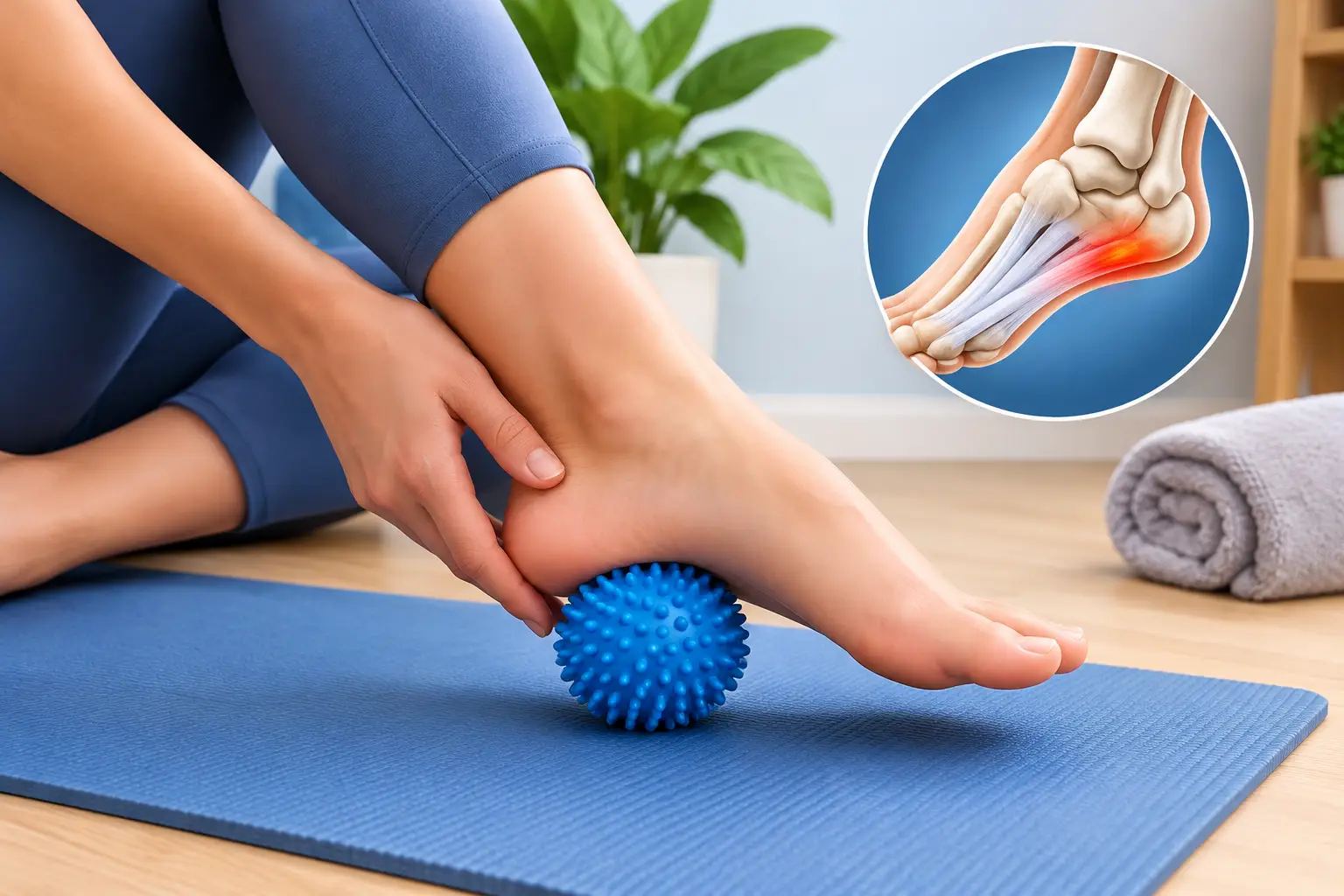
The plantar fascia is a thick band of connective tissue that runs along the bottom of the foot, from the heel toward the toes. It helps support the arch and assists with the transfer of force when you walk, run, climb stairs, or push off the ground. When this tissue becomes irritated or overloaded, the classic complaint is heel pain that is worse with the first few steps after sleeping or sitting.
A plantar fasciitis massage is not one magic stroke applied directly to the heel. Effective bodywork considers the full chain. Tight calf muscles, restricted ankle movement, overworked foot muscles, a sudden jump in training, hard floors, worn shoes, and long standing shifts can all contribute to excessive strain through the sole of the foot.
The purpose of massage is to reduce guarding in nearby soft tissues, improve comfort, and help restore more comfortable movement. Some people feel relief after one session. Others need consistent care because their symptoms have been building for months. Results depend on the source of the irritation, daily workload, activity level, footwear, and how long the pain has been present.
Why the calf matters as much as the foot
Many people focus only on the painful heel. That makes sense, but the calf is often part of the story. When the gastrocnemius and soleus muscles are chronically tight, the ankle may not flex well as you move forward over the foot. Your body still has to get through the step, so the plantar fascia can end up taking extra tension.
A therapeutic session may include focused work through the calves, Achilles area, ankle, arch, and small muscles of the foot. Myofascial release can be especially useful when the tissue feels dense, restricted, or stuck. Trigger point therapy may help when specific tight points in the calf refer discomfort down toward the heel or foot. Thai reflexology can also be a relaxing complement for clients who want attentive foot work without an overly intense approach.
Pressure should be customized. Deep pressure is not automatically better, especially during an irritated flare. A skilled therapist watches how your tissue responds and adjusts the session accordingly. You should feel productive work, not a session that leaves you limping harder the next day.
What a session can feel like
Plantar fasciitis massage may feel tender in the arch, heel edge, calves, or along the Achilles tendon. Tender does not have to mean unbearable. Communicate clearly about pressure, sharp sensations, numbness, tingling, or a feeling that something is being aggravated.
After a well-paced session, you may notice that your foot feels lighter, your ankle moves more freely, or your first steps are less intense. Mild soreness can happen after therapeutic bodywork, particularly when tissues have been tight for a long time. That soreness should be temporary and manageable. If pain becomes sharper, swelling increases, or walking gets significantly worse, scale back and seek clinical advice.
A practical home routine between massages
Professional massage works best when your daily habits stop reloading the same irritated tissues. You do not need an elaborate routine. A few consistent minutes can make a meaningful difference.
Start with gentle calf stretching before your first steps in the morning. Keep the stretch comfortable and avoid bouncing. Then slowly flex and point the ankle, spread the toes, and lightly massage the arch with your hands. This can help ease the transition from rest to weight-bearing.
Rolling the sole of the foot over a ball can feel good, but it should not be an endurance contest. Use light to moderate pressure for a short period, and avoid grinding directly into a highly painful heel. A chilled water bottle may provide temporary comfort for some people, while others prefer a room-temperature ball because cold makes the foot feel too stiff. Pay attention to your own response.
Supportive shoes matter more than most people want to hear. If your slippers are flat, your work shoes are worn down, or your favorite sneakers have lost their structure, your recovery plan may need an update. That does not mean every person needs the same insert or shoe type. Foot shape, comfort, work demands, and activity all matter.
When massage needs a bigger care plan
Massage therapy supports recovery, but it does not replace diagnosis. Heel pain can have several causes, including nerve irritation, stress injury, arthritis, tendon problems, or fat pad irritation. Do not assume every sore heel is plantar fasciitis.
Make an appointment with a medical professional, podiatrist, or physical therapist if you cannot bear weight, have major swelling or redness, notice numbness or burning, develop pain after a fall, or have symptoms that are not improving. People with diabetes, circulation concerns, neuropathy, inflammatory conditions, or a history of foot wounds should also get individualized medical guidance before using aggressive self-massage.
If you have been told you have plantar fasciitis, consider massage one part of a coordinated plan. Physical therapy can help with strength and gait mechanics. A podiatrist can assess footwear, orthotics, and other treatment options. Your massage therapist can focus on the muscular and fascial restrictions that may be keeping the area under unnecessary strain. That kind of integrated care is often more useful than relying on one treatment alone.
Getting more from your massage appointment
Come in ready to describe your pattern of pain. Is it worst first thing in the morning? Does it flare after a run, a long work shift, or sitting at your desk? Is the discomfort centered under the heel, through the arch, or higher in the calf? Those details help shape a session around your actual needs.
Also mention old ankle sprains, knee or hip discomfort, changes in exercise, new shoes, and how much standing your work requires. The body does not operate in isolated parts. A foot problem can change how you walk, and that compensation can travel up into the knees, hips, and low back.
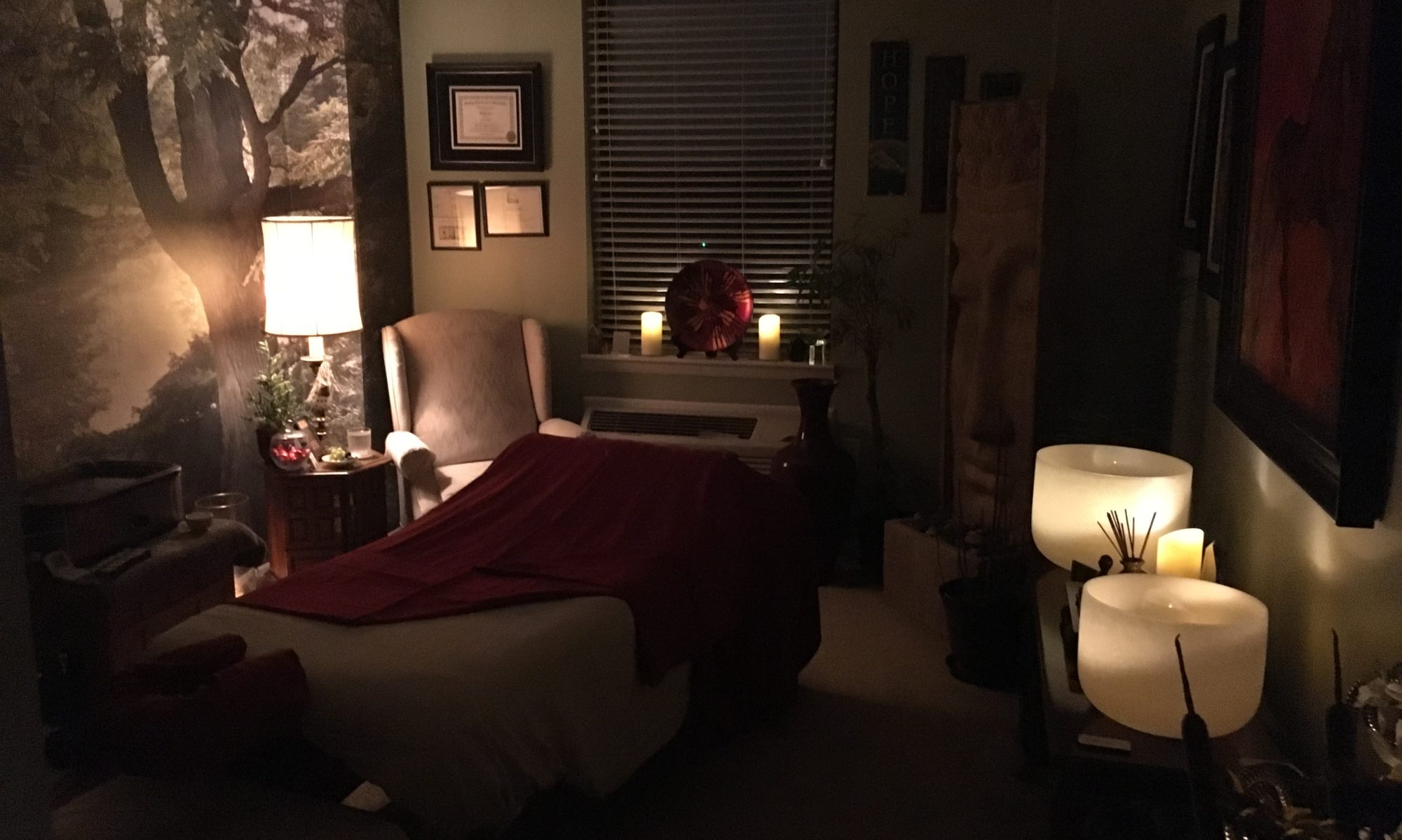
At Life4orceTouch, individualized therapeutic bodywork means your session can draw from techniques such as deep tissue massage, myofascial release, trigger point therapy, and reflexology based on what your body needs that day. It is not about forcing a standard spa routine onto a stubborn pain pattern. It is about giving your hard-working feet focused care and helping you move through your week with more ease!
Your feet carry you through commutes, workouts, long shifts, family obligations, and every little Philadelphia block in between. Give them attention before the pain becomes the loudest thing in the room.