How to Reduce Workout Soreness Naturally, Safely

How to Reduce Workout Soreness Naturally, Safely

That stiff walk down the stairs after leg day is a familiar badge of effort. But when soreness makes it hard to sit at your desk, sleep comfortably, or make it back to the gym, recovery needs more attention than a quick stretch. Knowing how to reduce workout soreness naturally can help you stay consistent with movement without pushing your body into exhaustion.

The goal is not to eliminate every trace of post-workout soreness. Some muscle tenderness after a new, harder, or longer workout is normal. The goal is to support circulation, restore comfortable movement, and give your tissues the time and resources they need to adapt.

Why workout soreness shows up a day later

Delayed-onset muscle soreness, often called DOMS, commonly begins 12 to 24 hours after training and may peak one to three days later. It is especially common after strength training, downhill running, jumping, or any workout that emphasizes slow lowering movements. Those movements create tiny disruptions in muscle tissue, followed by an inflammatory repair response.

That does not mean soreness is proof of a “better” workout. You can make excellent progress without being intensely sore after every session. In fact, constantly chasing soreness can make it harder to train consistently, maintain good form, and recover fully.

A mild, broad ache or tenderness that improves as you warm up is usually different from an injury. Sharp pain, major swelling, bruising, numbness, joint instability, weakness, or pain that keeps getting worse deserves medical attention. Natural recovery is useful for ordinary training soreness, not for ignoring a real problem.

How to reduce workout soreness naturally: start before you finish

Your recovery starts in the final minutes of the workout. Rather than stopping abruptly after an intense session, spend five to 10 minutes easing your pace down. Walk after a run, pedal lightly after cycling, or move through gentle range-of-motion work after lifting. This will not erase DOMS, but it can help your nervous system shift out of high gear and keep stiff muscles from locking up.

Avoid treating stretching like punishment. Long, aggressive stretches on already irritated muscles can feel worse. Instead, use comfortable, controlled movement. After a lower-body workout, try easy hip circles, bodyweight squats within a pain-free range, ankle mobility, or a relaxed walk around the block. The right amount feels relieving, not forced.

If you are new to exercise or returning after time away, progression matters more than any recovery trick. Add volume, weight, mileage, or intensity gradually. A demanding workout can be productive. A sudden leap from occasional activity to five hard sessions a week is often a fast route to excessive soreness.

Eat and drink like recovery is part of training

Muscles need more than motivation to repair. They need fuel. After exercise, prioritize a meal or snack with protein and carbohydrates, especially if you have another workout within the next day. Protein provides amino acids for tissue repair, while carbohydrates help replenish the energy stored in your muscles.

There is no single magic recovery food. A yogurt-and-fruit bowl, eggs with toast, chicken and rice, tofu with quinoa, or a bean-based grain bowl can all work. What matters is eating enough overall, not relying on a supplement while under-fueling the rest of the day.

Hydration also makes a noticeable difference in how your body feels. Water supports normal circulation and helps you recover from sweat losses. If your workout was long, very sweaty, or performed in heat, include electrolytes through food or a beverage that agrees with you. Pale yellow urine is a practical general sign that you are likely hydrated, though individual needs vary.

Alcohol can complicate recovery by disrupting sleep and hydration. You do not have to live perfectly, but if you are unusually sore or training toward a goal, choosing water and a balanced meal over several drinks is a body-smart tradeoff.

Use active recovery, not total shutdown

When ordinary DOMS hits, many people alternate between two extremes: they either train hard again or avoid all movement. Usually, the middle ground works best. Gentle activity increases blood flow, reduces the feeling of stiffness, and reminds your body that it can move safely.

A 20-minute walk, easy swim, relaxed bike ride, light yoga, or mobility session can be enough. Keep the intensity low enough that you can speak in full sentences. Active recovery should leave you feeling looser and more energized, not drained.

Training around soreness is sometimes appropriate. If your quads are tender from squats, an easy upper-body workout may be fine. If soreness changes your movement pattern, affects balance, or makes normal form impossible, give that area more time. Your body adapts during recovery, not only during the workout itself.

Sleep is the recovery tool you cannot outsmart

A great massage, hydration plan, and healthy meal cannot fully compensate for chronically poor sleep. Deep sleep supports many of the processes involved in physical repair, hormone regulation, and pain perception. One short night will not ruin your progress, but several can make soreness feel heavier and workouts feel harder.

Give yourself a realistic wind-down routine after evening exercise. A shower, a nourishing meal, lower lights, and a few quiet minutes of breathing can help signal that training is over. If you use a phone in bed, set a boundary that is actually doable, such as putting it down 20 minutes before sleep instead of promising never to scroll again.

Where therapeutic massage fits into natural soreness relief

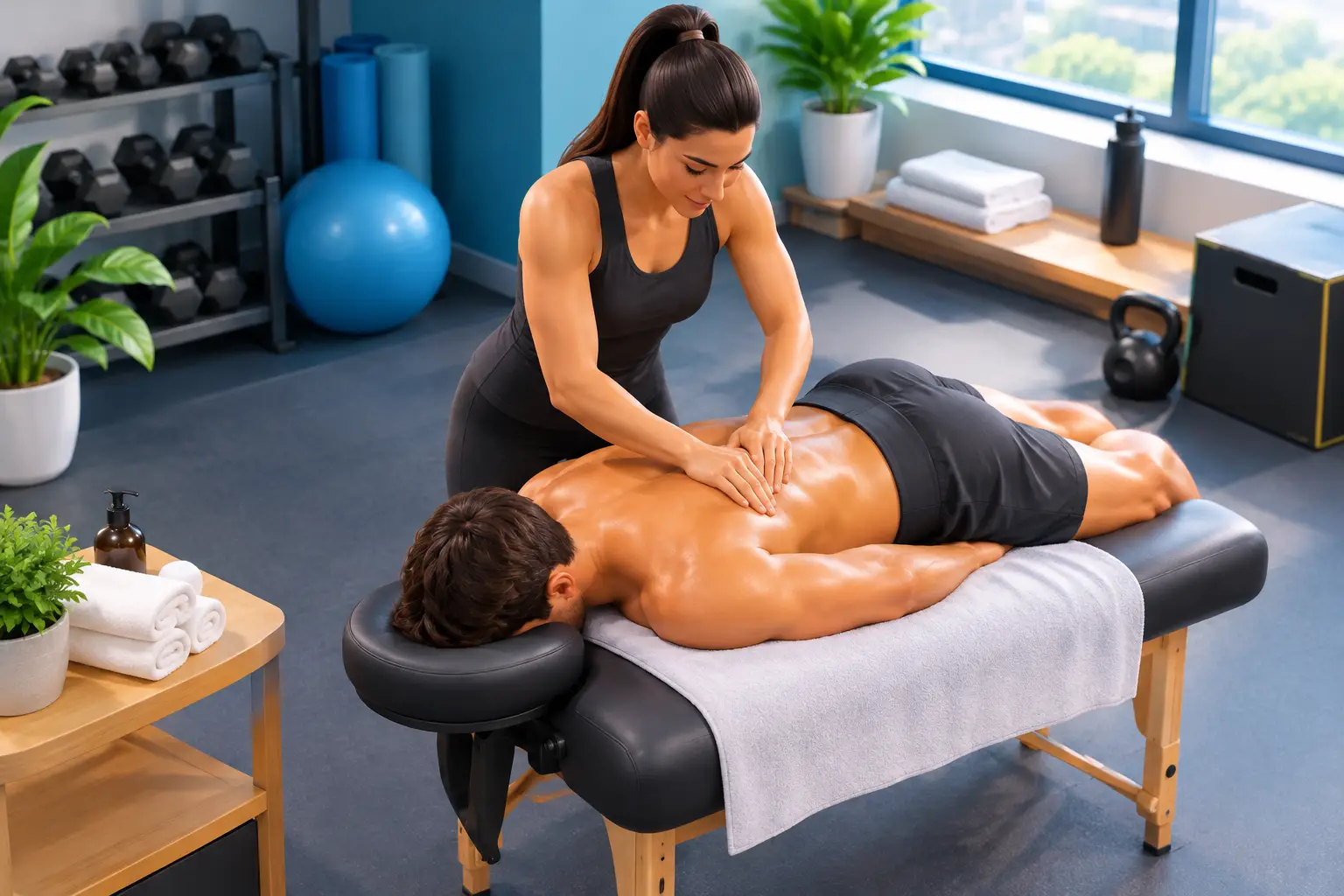
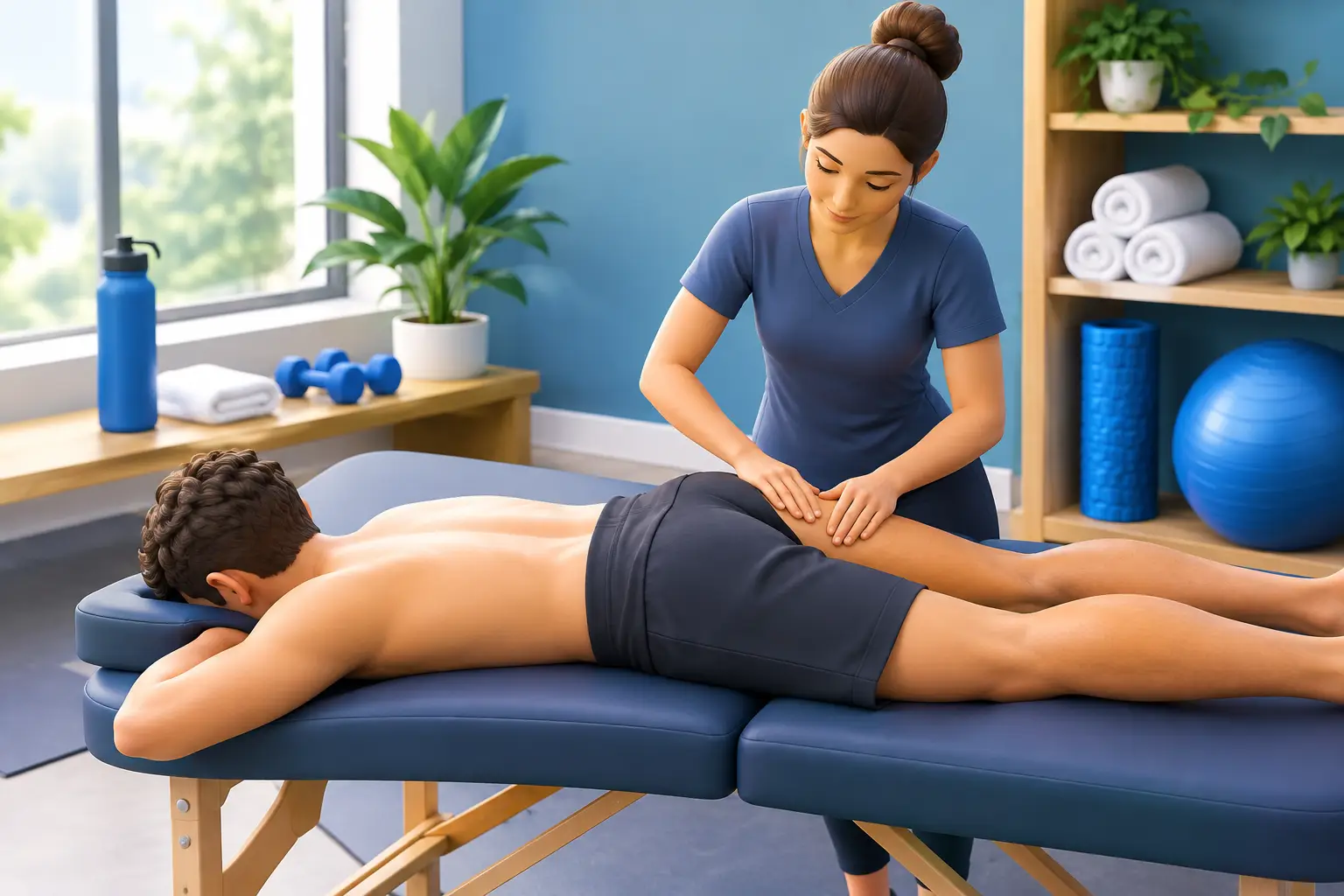
Massage is not a substitute for sleep, food, or sensible training. It can, however, be a powerful part of a natural recovery routine. Skilled hands-on work may ease the sensation of tightness, encourage relaxation, improve comfortable range of motion, and help you reconnect with areas that feel overworked or restricted.

The best approach depends on what your body is telling you. Immediately after an especially punishing workout, ultra-deep pressure on tender muscles may not feel helpful. Swedish massage, gentle myofascial release, Thai yoga massage, or focused work that respects your comfort level may be a better choice. A few days later, when acute tenderness has settled but stubborn tension remains, deeper therapeutic work or trigger point therapy may be appropriate.

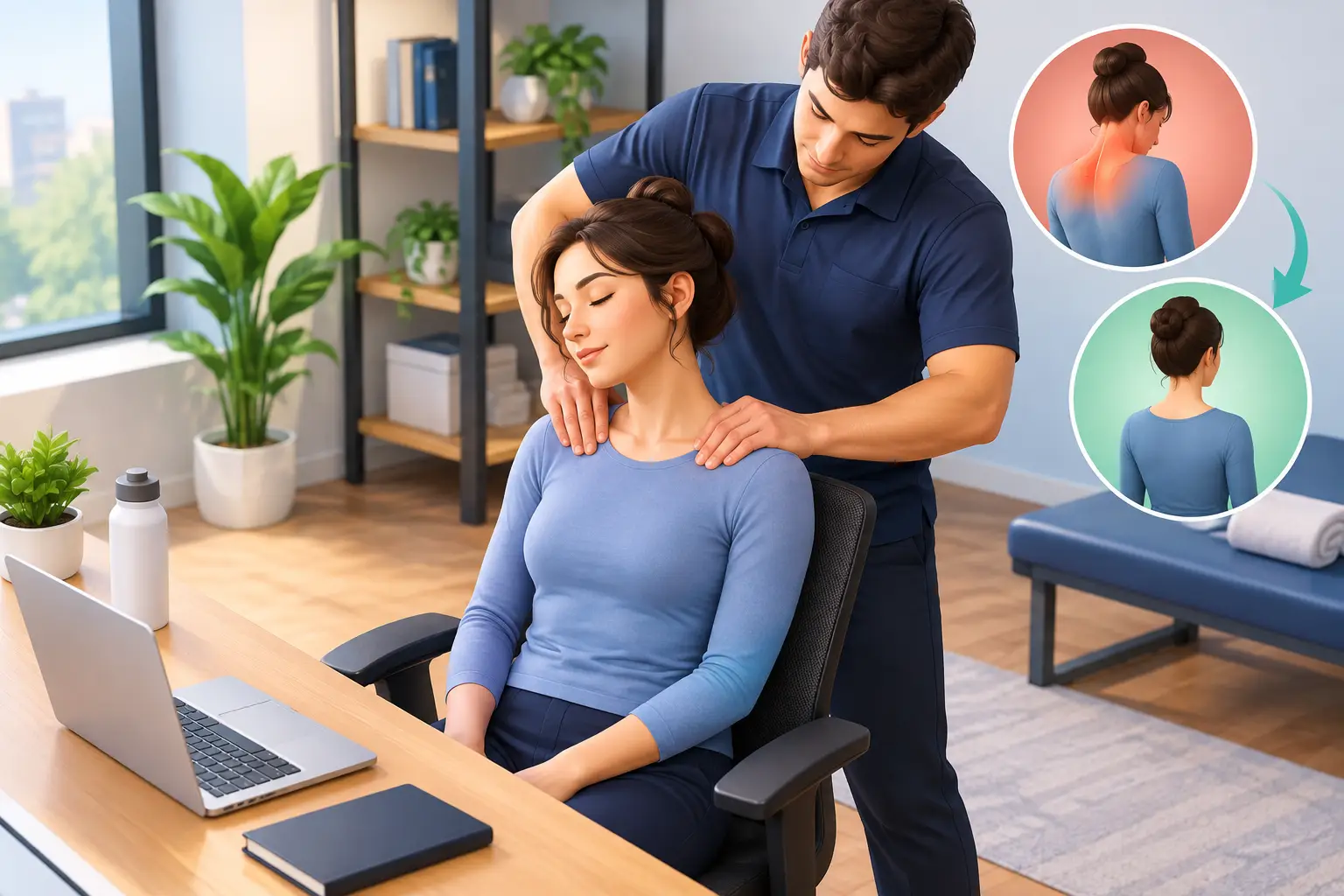
Massage is also valuable when the issue is not just muscle soreness. Many active people carry desk-related neck tension, tight hips from commuting, restricted ankles, or stress that changes the way they breathe and move. Addressing those patterns can make recovery feel more complete than simply attacking the sore spot.

At Life4orceTouch in West Philadelphia, every session is tailored to the person on the table – their workout history, pain level, mobility goals, and preferred pressure. That individualized approach matters. The right recovery massage should leave you feeling supported and refreshed, not bruised or pushed past your limits.

A simple recovery rhythm for busy weeks

You do not need an elaborate wellness routine to care for your muscles. After a demanding workout, cool down briefly, drink water, eat a balanced meal, and get quality sleep. The next day, choose light movement and assess how your body feels before deciding whether to train hard again.

For ongoing soreness, schedule recovery the way you schedule workouts. That may mean one lighter training day per week, a regular bodywork appointment, or a walking meeting instead of another hour in the chair. Consistency is more useful than waiting until every muscle is screaming for help.

The strongest athletes and busiest professionals have something in common: they learn to respond to their bodies early. Give your recovery the same respect you give the workout, and you can keep moving with more comfort, confidence, and energy!

Does Cupping Leave Lasting Marks? What to Expect

Does Cupping Leave Lasting Marks? What to Expect

Those deep red or purple circles after a cupping session can look dramatic, especially if you are headed back to the office, the gym, or a summer weekend in West Philly. So, does cupping leave lasting marks? For most healthy people, no. Cupping marks are temporary changes in the skin and superficial tissue that fade on their own, often within several days to two weeks.

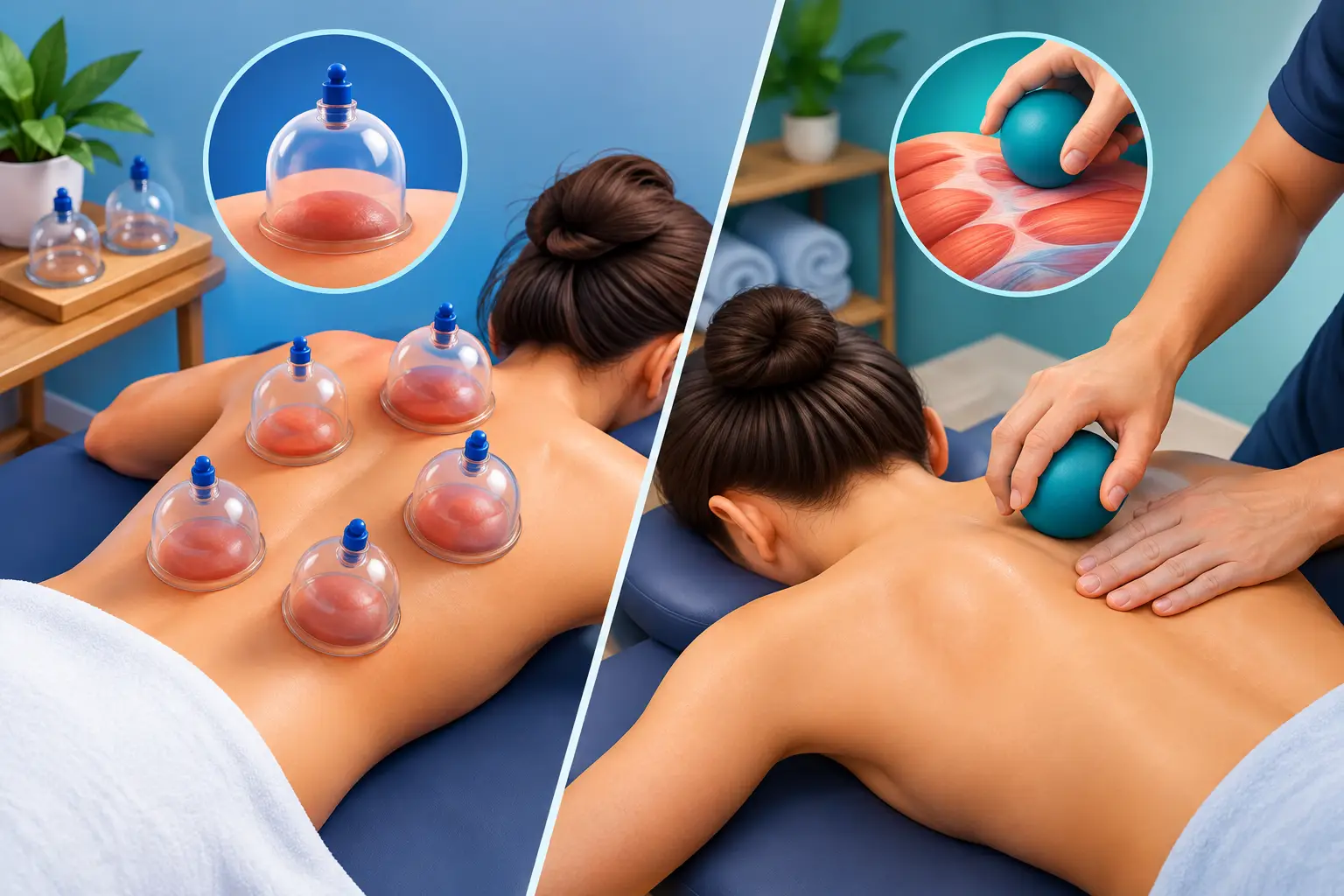
They are also not the same thing as a painful injury bruise. Cupping uses controlled suction to lift the skin and underlying fascia rather than pressing downward as traditional massage does. That lift can bring blood closer to the surface and create visible circular discoloration. The appearance may be bold, but it is usually a normal response to the treatment.

Why Cupping Marks Appear

During a cupping massage, a therapist places cups on selected areas of the body and creates suction. Depending on the goal of the session, cups may stay in one place for a short time or glide over the skin with massage oil or lotion. The suction decompresses tissue, encourages circulation in the area, and can be especially useful around stubborn muscle tightness and movement restrictions.

The circles that remain afterward are often called cup marks. They can range from light pink to red, burgundy, or dark purple. They may feel mildly tender or warm, much like the feeling after a focused deep tissue session. Some clients barely notice them beyond the color; others feel sensitivity for a day or two.

Color alone does not tell a complete story about your health, “toxins,” or how severe your muscle tension is. A darker mark can happen because of cup pressure, how long the cup stayed in place, your skin tone, your circulation, hydration, medications, and how easily your body tends to discolor after pressure. It is not a scorecard for whether the session “worked.”

Does Cupping Leave Lasting Marks for Everyone?

In typical therapeutic cupping, lasting marks are uncommon. Most fade gradually over three to 14 days. Light marks may disappear within hours or a few days, while darker marks can take longer. If you have a big event, beach plans, professional photos, or simply do not want visible circles, say so before your session. Your therapist can often adjust the pressure, shorten stationary cup time, use more gliding work, or select areas that are easier to cover.

How long marks remain depends on the person and the session. People who bruise easily, have more sensitive skin, take certain medications, or receive stronger stationary cupping may see marks that linger closer to two weeks. Repeated treatment in the same area before the skin has fully recovered can also extend the timeline.

A qualified massage therapist should never treat dark marks as a required outcome. Effective bodywork is not about enduring the most intense sensation or collecting the darkest circles. It is about choosing an appropriate level of pressure and technique for your goals, comfort, health history, and recovery capacity.

Cupping Marks Versus Bruising

Cupping marks and bruises can look alike, which is why the distinction gets confusing. A standard bruise usually develops after trauma damages small blood vessels under the skin. Cupping can also affect tiny vessels near the surface, but it does so through measured suction instead of an accidental impact.

That said, your body does not need a technical definition to tell you when something feels wrong. Significant pain, swelling, blistering, numbness, broken skin, or a mark that continues getting worse is not a routine post-session experience. Contact your health care provider promptly if those symptoms occur. If you believe a treatment caused an injury, let the therapist know as well.

What Helps Cupping Marks Fade Comfortably

There is no need to aggressively “treat” normal cup marks. Your skin generally needs time, hydration, and a little kindness. Drink water as part of your normal recovery routine, eat regular nourishing meals, and prioritize sleep when possible. Gentle movement can feel great after bodywork, but skip an intense workout if the area feels sore or overly sensitive.

For the first day or so, avoid very hot showers, saunas, hot tubs, and harsh exfoliation directly over marked areas. Do not scrub, pick at, or try to massage the marks away. A lukewarm shower and loose, comfortable clothing are usually a better choice.

Sun exposure can make discoloration more noticeable and may contribute to lingering uneven pigment for some skin types. If the area will be exposed, cover it or use sun protection. This is a small step that matters, particularly during Philadelphia’s sunny months when shoulders, backs, and legs are more likely to be uncovered.

If you have an important occasion, plan your cupping session with a buffer. Book at least two weeks ahead if you want the best chance of having no visible marks by the date. Your therapist can also build a session around Swedish massage, myofascial release, trigger point therapy, Thai-inspired stretching, or other techniques that support your goals without leaving circular discoloration.

When Cupping May Not Be the Right Choice

Cupping is not a one-size-fits-all service, even when you love deep therapeutic work. A responsible intake conversation matters. Tell your therapist about blood-thinning medications, bleeding disorders, diabetes-related skin concerns, pregnancy, active cancer treatment, recent surgery, current infections, rashes, sunburn, varicose veins, open wounds, or a history of easy bruising.

Cupping should not be applied over broken or irritated skin, an active infection, or areas with acute inflammation. It may also need to be avoided or modified around certain medical conditions. When in doubt, get clearance from your physician or medical specialist before scheduling. Massage therapy can complement health care, but it does not replace medical evaluation for unexplained pain, swelling, weakness, or skin changes.

The same goes for persistent marks. If a mark has not improved after two weeks, appears without any clear reason, or comes with unusual symptoms, check in with a health professional. Your peace of mind is worth more than pushing through a wellness trend.

Make Your First Cupping Session Personal

A good cupping session starts before the cups ever touch your skin. Share what brought you in: tight traps after long laptop days, stubborn back tension after lifting, limited shoulder mobility, stress that seems to live in your jaw, or tired legs after training. Also share your comfort level with visible marks.

At Life4orceTouch, the goal is individualized bodywork, not a standardized treatment that looks the same on every client. Cupping can be one useful tool alongside therapeutic massage, deep tissue techniques, myofascial release, and focused work for areas that need more attention. Sometimes it is exactly the right addition. Other times, a different approach better fits your body and your schedule.

Ask questions before and during the service. You deserve to know where cups are being placed, what level of sensation is expected, and whether marks are likely. Speak up if suction feels sharp, pinchy, or too intense. Therapeutic does not have to mean miserable!

Visible circles may start conversations, but they should never be a surprise. With thoughtful technique and clear communication, cupping can be a supportive part of a recovery or self-care routine – and the marks, if they appear, are usually just a temporary reminder that you made time for your body.

Pain Relief That Meets Your Body Where It Is

Pain Relief That Meets Your Body Where It Is

That knot between your shoulder blades is rarely just a knot. It may be the result of hours at a laptop, a demanding workout routine, a long commute, poor sleep, stress you have been carrying for weeks, or all of the above. Real pain relief is not about rushing through a standard massage and hoping you feel better for a day. It starts by listening to what your body is doing, where it is compensating, and what kind of hands-on care can help it move and rest more comfortably.

For busy people across West Philadelphia and the greater Philadelphia area, bodywork can be a meaningful part of managing everyday muscle discomfort, restricted movement, and stress-related tension. The right approach is personal. Some bodies need deep, focused work. Others need slower, gentler techniques that let the nervous system settle. Often, the most effective session blends both.

Pain Relief Is More Than a Quick Fix

Pain can change how you move long before you consciously notice it. A stiff neck can make you turn your whole body instead of your head. Tight hips can alter your stride. A sore low back can cause you to brace through ordinary activities, from loading groceries into the car to getting up from your desk.

Massage therapy and restorative bodywork can support pain relief by addressing muscular tension, sensitive trigger points, fascial restrictions, and stress patterns that may be contributing to discomfort. It is not a substitute for medical diagnosis or emergency care, and it cannot promise to resolve every condition. Sharp pain, numbness, sudden weakness, unexplained swelling, fever, or pain after a serious injury deserves prompt medical attention.

But when discomfort is connected to overuse, tight muscles, posture, training, stress, or everyday wear and tear, skilled bodywork can be a powerful addition to your care routine. Many clients also use massage alongside guidance from physicians, physical therapists, chiropractors, or other health professionals.

The Best Massage for Pain Relief Depends on the Pattern

There is no single “best” massage for pain because bodies do not arrive with identical needs. The person with sore calves after marathon training may need a very different session from the remote worker with jaw tension and headaches, or the parent whose upper back has been locked up for months.

Deep tissue massage for persistent tightness

Deep tissue massage uses slower, more deliberate pressure to work with deeper layers of muscle and connective tissue. It can be especially helpful when an area feels dense, stuck, or chronically tight. The goal is not to prove how much pressure you can tolerate. Productive work should be responsive, focused, and adjusted to your comfort level.

A little tenderness after a session can happen, particularly when tissues have been guarded for a long time. Feeling bruised, overwhelmed, or unable to relax is not a prize. Clear communication during the session helps your therapist find the pressure that is effective without turning treatment into an endurance contest.

Myofascial release for movement restrictions

Fascia is the connective tissue that surrounds and supports muscles and other structures throughout the body. When movement feels restricted or a stretch never seems to reach the right spot, myofascial release may be useful. This approach uses sustained, intentional contact to work with areas that feel bound, shortened, or less mobile.

It is often slower than people expect, but that is part of its value. Instead of chasing pain from one spot to the next, the work can give your body time to soften and reorganize its movement patterns.

Trigger point therapy for stubborn sore spots

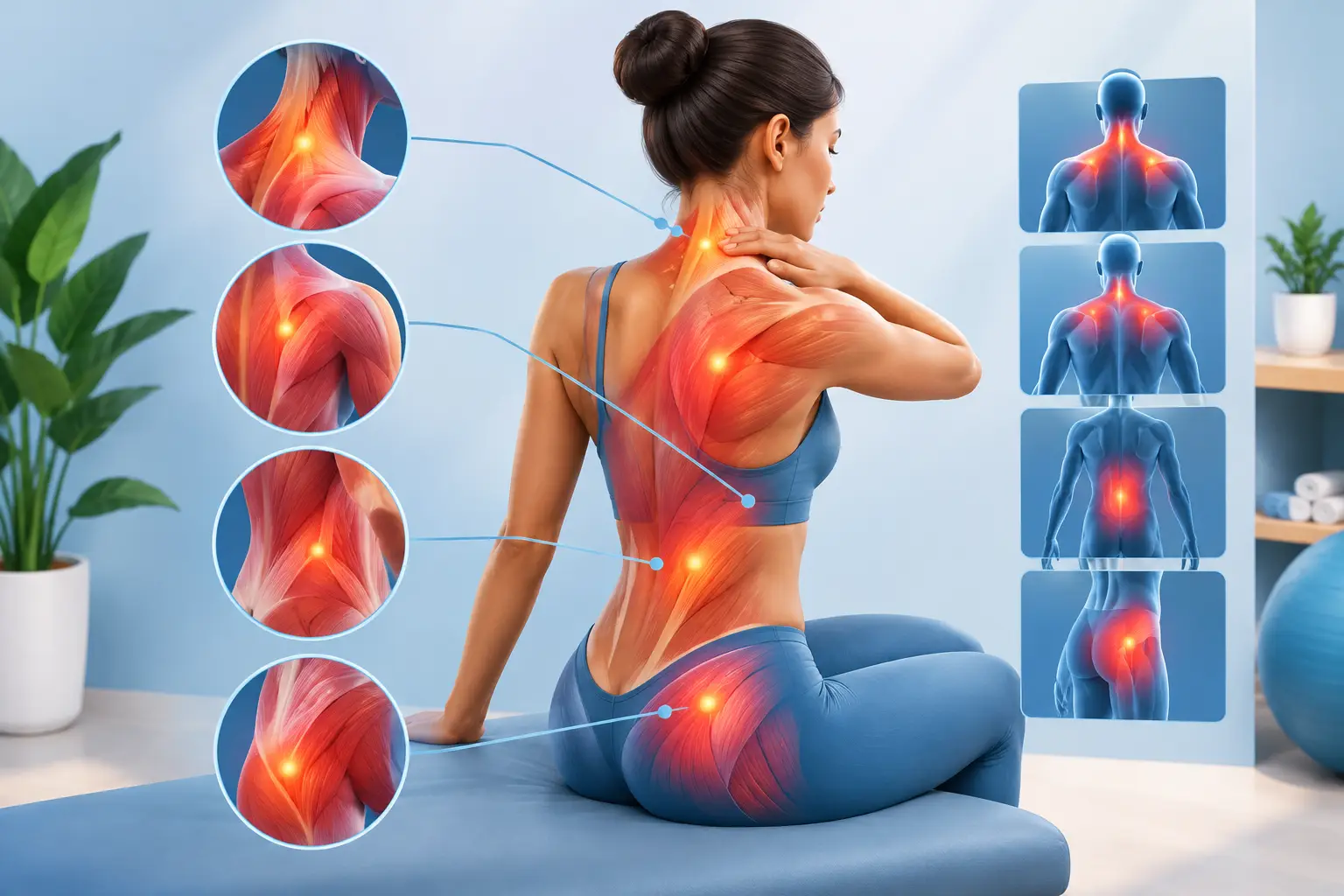
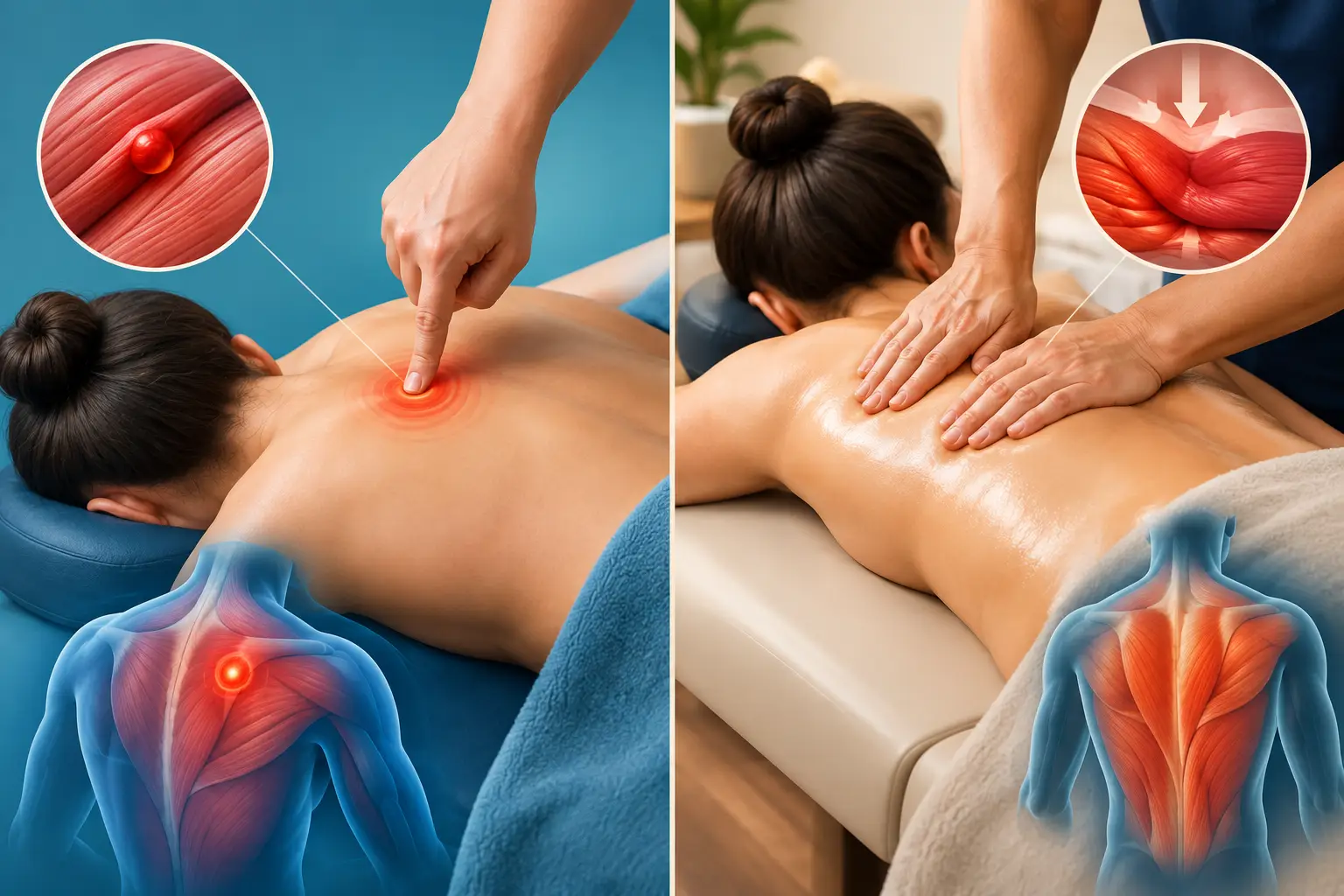
A trigger point is a sensitive, tight area in a muscle that can refer discomfort elsewhere. That stubborn spot in your upper shoulder, for example, may contribute to discomfort that travels toward the neck or head. Trigger point therapy uses precise pressure and release techniques to address these concentrated areas.

This work is targeted, not random. It is especially valuable when you can point to a familiar spot and say, “That is the one that always comes back.”

Thai yoga massage and shiatsu for whole-body balance

Sometimes pain relief requires more than working directly on the painful area. Thai yoga massage combines assisted stretching, rhythmic compression, and supported movement to help improve flexibility and body awareness. Shiatsu uses pressure along the body with an emphasis on relaxation, balance, and energetic flow.

These modalities can be a great fit for people who feel generally stiff, compressed, or disconnected from how their bodies move. They also offer an alternative for clients who want therapeutic care without the same focus on oil-based table massage.

Why Stress Can Make Pain Feel Louder

Stress does not mean your pain is imaginary. It means your body may be carrying extra tension while trying to handle work deadlines, family responsibilities, poor sleep, financial pressure, training goals, and daily life. When the nervous system stays on high alert, shoulders creep upward, breathing gets shallow, jaws clench, and recovery becomes harder.

Swedish massage, hot stone massage, Reiki, and craniosacral bodywork can help create the conditions for deep rest. These modalities may not feel as intense as deep tissue work, but relaxation-oriented care has a real place in a pain management plan. A body that can downshift may be better able to release guarding and recover between workouts, workdays, and stressful seasons.

This is why “deepest pressure possible” is not always the answer. The best session may be a combination of focused therapeutic work where you need it and calming techniques that help the rest of you let go.

How to Get More From Your Bodywork Session

Your appointment begins before the first technique. Give a clear picture of what has been going on: where you feel discomfort, when it began, what makes it better or worse, your activity level, injuries, surgeries, and any care you are already receiving. Mention medications and health conditions, too. These details help shape a safer, more effective session.

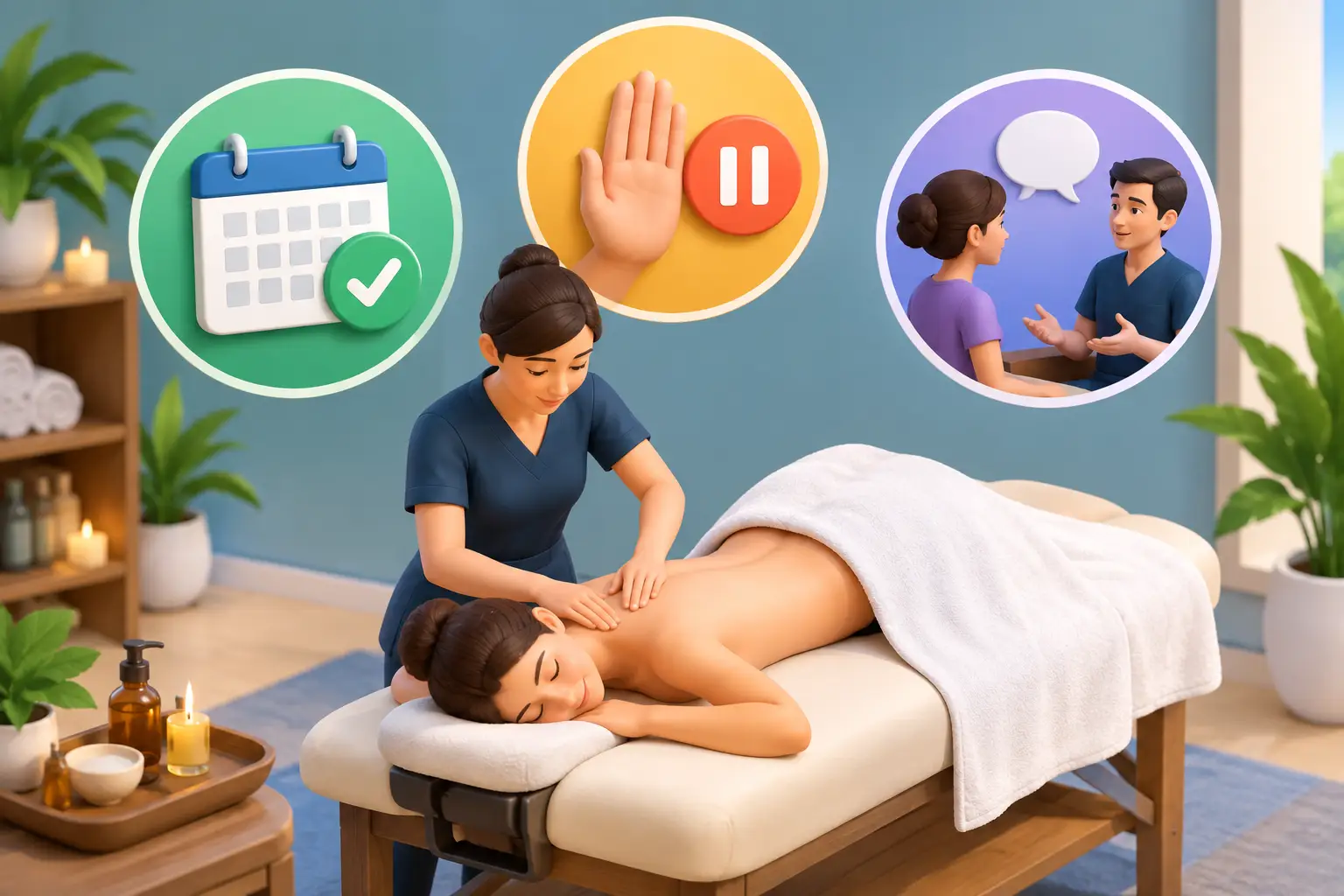
During the massage, speak up. Ask for lighter or deeper pressure. Say when something feels helpful, sharp, strange, or too much. Therapeutic massage is collaborative care, not a silent test of toughness.

Afterward, give yourself a little room to notice the changes. Drink water because it feels good, eat a nourishing meal, and take a gentle walk if your body wants movement. Avoid scheduling an intense workout immediately after heavy focused work if you can. A short period of recovery may help you recognize what has shifted and what still needs attention.

Consistency matters, especially with long-standing tension. One session can bring welcome relief, but patterns built over months or years may respond best to a thoughtful series of appointments paired with rest, mobility work, strength training, or care from another provider when appropriate.

A Personalized Plan Beats a Standard Routine

You deserve more than a generic spa sequence when your body is asking for targeted support. At Life4orceTouch, each session can draw from an integrative toolkit that includes Swedish massage, deep tissue massage, myofascial release, trigger point therapy, cupping, Thai yoga massage, reflexology, hot stones, shiatsu, Reiki, and craniosacral bodywork. The treatment is shaped around your goals, your comfort, and what your body presents that day.

Maybe you need focused work on overworked hips before a race. Maybe you need calming full-body care after a hard month. Maybe you are new to massage and simply want to feel less tense, more mobile, and more at home in your body. All of those are valid reasons to book.

Supporting a local solo practice also keeps wellness care rooted in the community. You receive one-on-one attention from a therapist who has the time to learn your patterns, track your progress, and adapt your care instead of treating you like the next name on a crowded schedule.

Give Your Body a Place to Exhale

Pain relief does not always arrive as a dramatic, instant transformation. Sometimes it looks like turning your head without wincing, sleeping through the night, finishing a workout with less stiffness, or realizing your shoulders are no longer living next to your ears. Those small changes matter.

When your body has been carrying too much for too long, give it skilled attention, honest communication, and the time to recover. A personalized massage appointment can be one practical, restorative way to start feeling better – and keep showing up for the life you want to live.

A Guide to Post Workout Recovery That Works

A Guide to Post Workout Recovery That Works

That satisfying post-workout feeling can turn into stiff stairs, tight hips, and shoulders that refuse to relax by the next morning. A guide to post workout recovery is not about doing more for the sake of it. It is about giving your body the right kind of attention after you train, so you can feel better now and keep moving well tomorrow!

Recovery is where fitness gains have room to happen. Training challenges your muscles, nervous system, joints, and energy stores. The time afterward is when your body repairs, adapts, and restores. A hard workout does not require an extreme recovery routine, but it does call for consistency. Hydration, nourishment, sleep, smart movement, and hands-on bodywork can each play a useful role.

Your Guide to Post Workout Recovery Starts With the Basics

The best recovery plan matches the workout you actually did. A relaxed walk, yoga class, or moderate strength session may only require a good meal, water, and a normal night of sleep. A long run, intense leg day, competitive game, or demanding interval session can create more fatigue and soreness, especially if it was harder or different from your usual routine.

Start by checking in with your body. General muscle tenderness, temporary heaviness, and fatigue are common after a challenging session. Sharp pain, major swelling, numbness, joint instability, chest pain, or pain that changes how you walk are different signals. Stop training through those symptoms and seek appropriate medical evaluation. Recovery supports the body, but it is not a substitute for care when there may be an injury.

Rehydrate According to Your Sweat Loss

Water is a simple place to begin. You lose fluid through sweat, and losing more than you replace can leave you with headache, fatigue, cramping, or an unusually sluggish next workout. Drink water throughout the day instead of trying to fix everything with one giant bottle after exercise.

If you trained hard for more than an hour, exercised in summer heat, or sweat heavily, fluids containing electrolytes may be useful too. Sodium is especially relevant when sweat loss is high. There is no prize for choosing the most complicated sports drink, though. For many active adults, water plus a balanced meal that includes some salt does the job nicely.

Use practical cues: your thirst, urine color, workout conditions, and how you feel afterward. Clear urine every hour is not the goal. Pale yellow is usually a more reasonable sign that you are hydrated.

Eat Enough to Repair and Refuel

Post-workout nutrition does not need to be perfect or timed down to the minute. Still, after demanding exercise, a meal or snack with protein and carbohydrates gives your body useful raw material for muscle repair and energy replenishment.

Protein supports muscle tissue repair. Carbohydrates help replenish glycogen, the stored fuel your body uses during many forms of exercise. A turkey sandwich and fruit, Greek yogurt with berries and granola, eggs with toast, rice and beans, or chicken with potatoes and vegetables can all work. What matters most is choosing food you enjoy, can digest well, and can repeat consistently.

The exact amount depends on your body size, training volume, health needs, and overall daily nutrition. If you work out early and cannot tolerate a full meal immediately, start small. A smoothie, yogurt, banana with nut butter, or a simple protein-rich snack is better than waiting all day to eat because your appetite disappeared after training.

Move Gently Before You Become Still

Stopping suddenly after intense exercise can make your body feel more rigid, particularly after lifting, cycling, running, or a long day on your feet. A brief cool-down helps transition from effort to recovery. Think easy walking, gentle cycling, relaxed breathing, or a few minutes of mobility that feels good.

This is not the time to force an aggressive stretch. Pushing deeply into sore muscles can make an irritated area feel worse. Choose comfortable range of motion instead: slow hip circles, ankle movement, a gentle chest opener, easy spinal rotation, or a few supported squats. You should feel less guarded afterward, not more strained.

On the day after a tough session, light activity can also be helpful. A walk around West Philly, an easy swim, relaxed yoga, or low-intensity movement may reduce the feeling of stiffness without adding another hard training load. This is often called active recovery, but the key word is active, not intense. If your recovery day turns into another grueling workout, your body does not get the break it needs.

Use Heat, Cold, and Stretching With Intention

Recovery tools are not one-size-fits-all. Heat often feels comforting for general tightness and can help you relax before gentle mobility work. A warm bath, heating pad, or hot shower may be especially welcome when your back, hips, or shoulders feel tense after training.

Cold can feel useful after an acute bump, a hot or swollen area, or a demanding event, but it is not mandatory for normal soreness. Some athletes use cold exposure frequently, while others prefer to save it for specific situations. If muscle growth is your main goal, routinely using very cold immersion immediately after every strength workout may not be the best fit for everyone. Your recovery tools should serve your goal, not become another rule to follow.

Stretching can help you feel more mobile, but it does not erase delayed-onset muscle soreness. Keep it gentle and steady. If a stretch causes pinching, tingling, or sharp pain, back off.

Sleep Is Your Most Powerful Recovery Tool

A massage gun, foam roller, and fancy supplements cannot replace a short night of sleep. During quality sleep, your body carries out essential repair processes, regulates stress hormones, and helps restore your energy for the next day. If you train consistently but sleep inconsistently, soreness may linger longer and motivation can suffer.

Build a routine that makes sleep easier to protect. Finish intense workouts early enough that your body has time to settle, eat a satisfying evening meal, lower the lights, and give yourself a buffer from work emails and scrolling. A cool, dark room helps many people. If your schedule is packed, even a short wind-down ritual can signal that the day is ending.

One poor night will happen. Do not panic or try to punish yourself with extra caffeine and another all-out workout. Scale your training down if needed, take a walk, hydrate, and aim to get back to your regular bedtime.

When Massage Fits Into Post-Workout Recovery

Therapeutic massage can be a meaningful part of a recovery plan, especially when recurring tension affects how you move. After training, muscles may feel dense, tender, or restricted, and your nervous system may still be running in high gear. The right bodywork session can support relaxation, body awareness, comfortable range of motion, and relief from the feeling of being wound too tight.

Timing and pressure matter. A light Swedish massage, Thai yoga massage, gentle shiatsu, or relaxing work may feel wonderful soon after a workout. Deeper tissue-focused work, myofascial release, trigger point therapy, and cupping may be more appropriate after your body has had a little time to settle, depending on your soreness and goals. More pressure is not automatically better. If you are extremely sore from a new workout, aggressive work can leave you feeling more tender rather than restored.

Tell your massage therapist what you trained, where you feel restricted, whether you have an upcoming event, and what type of pressure you tolerate. Personalized care is the difference between a generic massage and a session that truly supports your body. At Life4orceTouch, that individualized approach can combine relaxing massage with targeted therapeutic techniques for athletes, active professionals, and anyone carrying persistent tension.

Give Your Recovery the Same Respect as Your Workout

A useful recovery routine is not complicated. After you exercise, drink fluids, eat nourishing food, do a little easy movement, and prioritize sleep. Notice patterns over time: Does your low back tighten after deadlifts? Do your calves lock up after long runs? Does stress make your shoulders feel worse after every workout? Those patterns can guide smarter mobility, training adjustments, and bodywork.

Most of all, do not wait until discomfort becomes your normal. Recovery is regular maintenance for the body that carries you through work, family, fitness, and everything Philadelphia life asks of you. Treat the next hour after your workout as part of the workout itself, and give your body the steady care it has earned.

Why Do Muscles Feel Tight? What Your Body Means

Why Do Muscles Feel Tight? What Your Body Means

You stand up after a long day at your desk and your neck will not turn easily. Or you finish a tough workout, then wake up feeling like your calves, hips, or low back have shrunk overnight. If you have asked, “why do muscles feel tight?” you are not imagining it. That pulling, stiff, restricted feeling is real, but it does not always mean the muscle itself is short or damaged.

Muscle tightness is often your body’s protective response to load, stress, unfamiliar movement, poor recovery, or irritation in nearby tissues. Sometimes it passes with rest and gentle movement. Sometimes it keeps returning because your body needs more than a quick stretch. Knowing the difference can help you choose care that actually feels good and supports better movement!

Why Do Muscles Feel Tight in the First Place?

A muscle can feel tight when its nervous system is increasing tone, meaning the muscle is held in a more guarded state. Think of it as your body turning up the volume on protection. That may happen after lifting, running, sitting for hours, sleeping in an awkward position, or dealing with a stressful week.

Tightness may also come from the connective tissue around and between muscles, often called fascia. Fascia helps tissues glide as you move. When movement is repetitive, limited, or painful, that glide can feel restricted. The sensation may be a dense band in the shoulder, a pulling line through the hip, or a stubborn spot between the shoulder blades.

There is an important trade-off here: forcefully trying to “release” every tight feeling can make an already protective body guard harder. The goal is not to punish the tissue. It is to give your body enough comfort, circulation, movement, and recovery that it no longer has to brace so much.

The Most Common Reasons You Feel Tight

You have done more than your body is used to

A new strength routine, a longer walk, a weekend of moving furniture, or returning to the gym after time away can create soreness and stiffness. Delayed onset muscle soreness commonly builds 12 to 24 hours after activity and may peak over the next day or two. It is especially common after activities that emphasize controlled lowering, such as downhill walking, squats, or lunges.

That stiffness is part of a normal recovery process for many people. Gentle walking, comfortable range-of-motion work, sleep, fluids, nourishing meals, and appropriate rest can help. Trying to crush an intense workout on top of sharp soreness, however, may prolong the problem.

Your workday has you holding one position

The body tends to dislike one position for too long, even a posture that looks “perfect.” Laptop work can leave the chest, neck, forearms, and upper back feeling locked up. Long drives can make the hip flexors, glutes, calves, and low back feel stiff. Standing all day brings its own load to the feet, legs, and shoulders.

The answer is usually not to chase a flawless posture. Change positions often. Take short movement breaks, roll your shoulders, walk to refill your water, and let your joints experience more than one shape during the day. A few minutes of regular movement can be more useful than one heroic stretch at night.

Stress is showing up in your body

You may recognize this one immediately: jaw clenching, shoulders creeping toward your ears, a tight chest, shallow breathing, or a low back that seems to grip harder during a demanding week. Emotional stress and physical tension are closely connected. When your nervous system stays on high alert, muscles may remain ready for action even when there is no immediate physical threat.

This is why muscle tightness is not always solved by exercise alone. Slow breathing, restorative sleep, soothing touch, quiet time, and bodywork can help signal safety to the nervous system. A massage session may be especially valuable when you feel like you cannot “turn off” the tension on your own.

Your movement pattern is asking one area to do too much

Tightness often appears where your body is compensating. For example, a stiff upper back can make the neck work overtime. Limited hip motion may send more demand into the low back, knees, or calves. Weakness, old injuries, footwear, training volume, and everyday habits can all influence these patterns.

This does not mean every tight muscle is weak, and it does not mean you need to diagnose yourself from a social media video. It means recurring tightness is worth looking at in context: where it starts, what brings it on, which movements change it, and whether it affects your daily life.

You are under-recovering

Muscles do not recover only while you stretch. They recover with sleep, food, hydration, rest days, and a training plan that matches your current capacity. Poor sleep can heighten pain sensitivity and make ordinary stiffness feel much louder. Dehydration can contribute to cramping for some people, particularly after sweating, although it is not the explanation for every tight muscle.

If you train hard, work hard, and carry everyone else’s responsibilities, your body may be asking for a more realistic recovery rhythm. Consistency beats occasional extremes.

What Actually Helps Tight Muscles Feel Better?

Start by matching the strategy to the sensation. If you are mildly stiff after inactivity, gentle movement usually helps more than staying still. A relaxed walk, easy mobility work, or a warm shower can reduce that rusty feeling. If a muscle is sore after a challenging workout, keep movement light and avoid forcing deep stretches into pain.

Heat can feel wonderful for chronic, non-acute stiffness because it encourages relaxation and comfort. Cold may be useful after a recent bump, strain, or activity that has caused swelling, but it is not mandatory for every ache. Pay attention to what gives you lasting relief rather than only a few minutes of distraction.

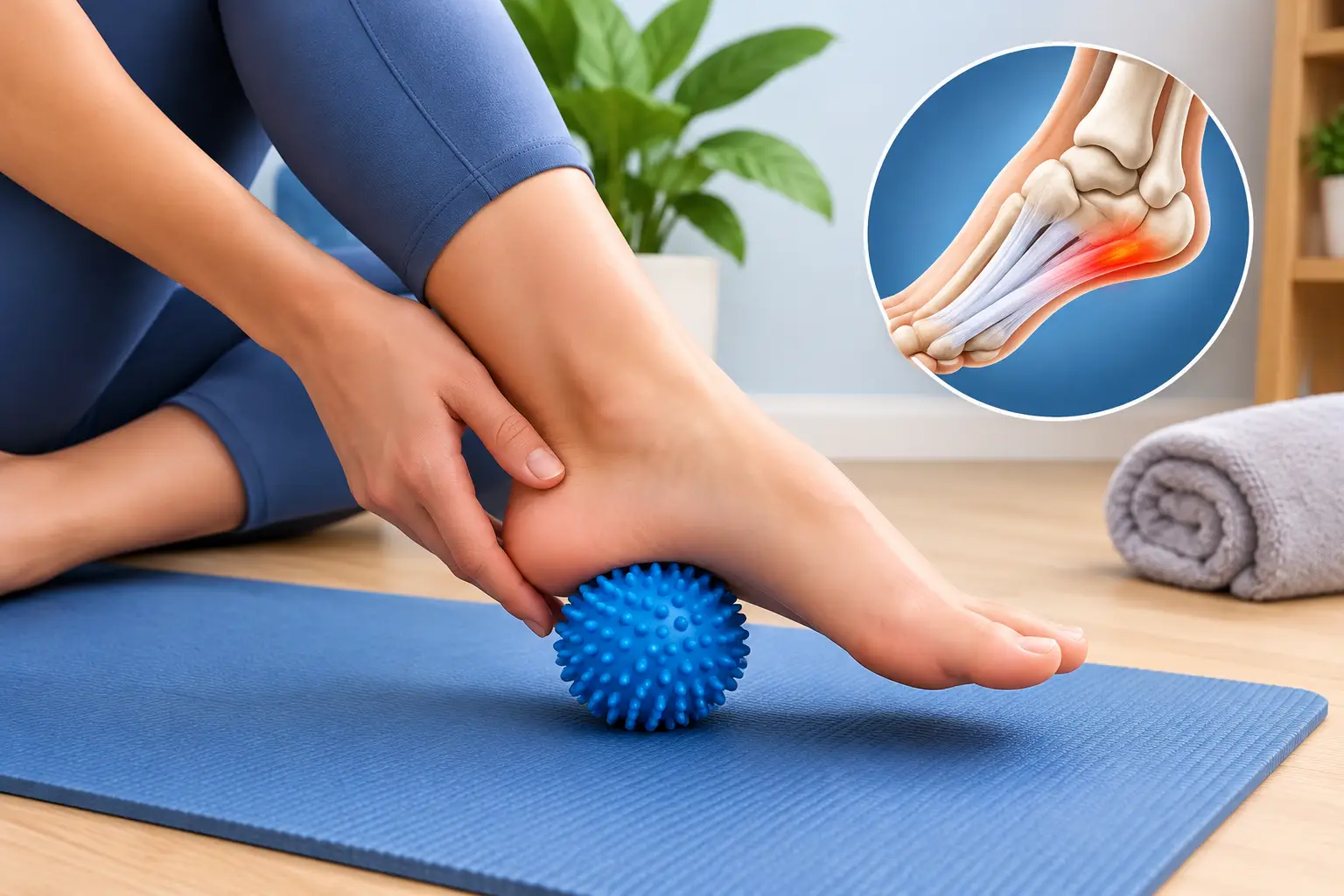
Massage therapy can be a powerful part of a body-maintenance plan. Swedish massage may support relaxation when stress is driving tension, while deep tissue massage, myofascial release, and trigger point therapy can be used thoughtfully for persistent areas of restriction. Thai yoga massage combines assisted stretching with rhythmic bodywork, and reflexology can offer focused care for tired feet after long days on the move.

The best session is not automatically the deepest one. More pressure is not always more therapeutic. A skilled practitioner should adjust to your comfort, goals, training schedule, health history, and how your body responds that day. At Life4orceTouch, individualized bodywork can combine modalities rather than forcing every client into the same routine – because your tight shoulders after a deadline may need something very different from your calves after a race!

Between appointments, build a small routine you can repeat. Move a little every day, vary your workstation or work positions, strength train within your tolerance, and make sleep a priority where possible. The routine does not need to be elaborate to matter. A body that receives regular care often has less reason to stay in full-time protection mode.

When Tightness Needs Medical Attention

Most everyday muscle tightness is not an emergency. Still, do not try to massage, stretch, or “work through” symptoms that feel alarming. Seek urgent medical care for tightness or pain with chest pressure, shortness of breath, fainting, sudden weakness, facial drooping, trouble speaking, or pain spreading into the arm or jaw.

You should also contact a qualified health professional for severe pain after an injury, significant swelling, redness or warmth in one limb, fever, numbness or tingling that persists, loss of coordination, unexplained muscle weakness, or dark urine after intense exertion. These signs can point to issues that need assessment beyond bodywork.

For ongoing tightness that keeps limiting your sleep, work, workouts, or ability to enjoy life, consider an integrated approach. Your physician, physical therapist, and massage therapist can each offer useful perspective. Massage is a supportive wellness service, not a replacement for medical diagnosis or treatment.

Your body is not failing you when it feels tight. It may be asking for recovery, variety, support, or a slower moment to reset. Listen early, move gently, and give yourself the kind of focused care that helps you feel at home in your body again.

8 Best Ways to Ease Neck Tension and Feel Better

8 Best Ways to Ease Neck Tension and Feel Better

Your neck may feel fine at breakfast and completely locked up by 3 p.m. after laptop work, a stressful commute, a hard training session, or one too many hours looking down at your phone. The best ways to ease neck tension are rarely about one dramatic fix. They are small, targeted choices that calm overworked muscles, restore comfortable movement, and stop the same strain from piling up tomorrow.

Neck tension can show up as a dull ache at the base of the skull, a tight band across the upper shoulders, limited ability to turn your head, or headaches that seem to start in your traps. It is frustrating, but your body is not failing you. It is asking for a change in position, pace, recovery, or support.

1. Change your position before discomfort gets loud

The posture that causes trouble is usually not one “bad” posture. It is staying in any posture too long. Even a beautifully arranged desk can leave your neck stiff if you sit frozen for three hours while answering emails.

Set a realistic reset point every 30 to 60 minutes. Stand up, let your arms hang, take a few steps, and gently roll your shoulders backward. If you work on a laptop, raise the screen closer to eye level when possible and use a separate keyboard and mouse. Your ears do not need to be perfectly stacked over your shoulders every second, but your neck should not have to crane forward all day.

Drivers can benefit from this too. Bring the seat close enough that you are not reaching for the wheel, and adjust the headrest to support the back of your head rather than your neck. Small setup changes can make a surprisingly big difference by the end of a Philadelphia workday.

2. Use gentle movement, not aggressive stretching

When your neck is tight, the urge to yank on it can be strong. Skip that. Hard stretching can make guarded muscles push back even more, especially when tension is connected to irritation, stress, or a recent workout.

Try slow, pain-free motion instead. Turn your head right and left as though you are checking traffic. Nod gently, then tip one ear toward one shoulder without lifting the shoulder to meet it. Hold only to the point of mild tension, breathe normally, and return to center. A few easy repetitions done throughout the day often work better than one intense stretch session.

Add your upper back to the plan. Reach your arms forward, gently round through the space between your shoulder blades, then open your chest without forcing your low back. The neck and upper back share the workload. If the upper back stays stiff, the neck often works overtime.

A quick two-minute desk reset

Start by placing both feet on the floor and taking three unhurried breaths. Shrug your shoulders toward your ears, pause, then let them drop. Repeat three times. Next, turn your chin gently over each shoulder five times, keeping your jaw relaxed. Finish with five shoulder blade squeezes, as if you are lightly holding a pencil between them.

This is not a workout. It is a message to your nervous system that it can stop bracing.

3. Apply heat when muscles feel guarded and achy

For everyday muscle tightness, warmth can be wonderfully soothing. A warm shower, heating pad, or warm compress applied to the upper shoulders for 15 to 20 minutes may help the area feel more pliable before gentle movement. Keep the heat comfortably warm, not scorching, and avoid falling asleep on a heating pad.

Heat is not the answer for every situation. If you have a fresh injury with swelling, bruising, or sharp pain, cold and medical guidance may be more appropriate. The goal is not to force circulation or “melt” a knot. It is to make movement feel safer and more comfortable.

4. Let your jaw relax

A tight jaw and a tight neck are frequent partners. Many people clench while concentrating, commuting, lifting weights, or sleeping, without realizing it. If your temples are sore or you wake with a tired jaw, pay attention to what is happening above your collarbones.

Rest your tongue lightly on the roof of your mouth just behind your front teeth. Let your teeth separate and soften the space around your cheeks. Then breathe out slowly. This simple cue can reduce the extra gripping that travels into the sides and back of the neck.

If you grind your teeth regularly, have jaw clicking or locking, or experience significant facial pain, talk with a dentist or qualified healthcare professional. Massage can support surrounding muscle comfort, but persistent jaw symptoms deserve a fuller assessment.

5. Make sleep support your neck, not challenge it

Your pillow should fill the space between your head and mattress without pushing your chin toward your chest or tipping your head sharply backward. Side sleepers generally need enough height to keep the head level with the spine. Back sleepers often do well with a supportive, not overly lofty, pillow and a small amount of support beneath the neck.

Stomach sleeping can be tough on the neck because it requires turning your head for long periods. You do not have to change your sleep position overnight, but reducing time on your stomach can be worth trying if you wake stiff most mornings.

Pay attention to patterns rather than chasing a perfect pillow. If your neck feels worse only after certain nights, your sleep setup may be one piece of the puzzle. If discomfort is strongest after long workdays, daytime loading may matter more.

6. Build strength around the neck and shoulders

Mobility feels better when your muscles have enough endurance to hold you through the day. This does not mean doing heavy neck exercises on your own. For most active adults, consistent strengthening of the upper back, shoulder blades, and deep core is more useful than repeatedly stretching a neck that keeps getting overloaded.

Rows, controlled pulling movements, and properly coached upper-back exercises can help, depending on your fitness level and health history. Athletes may need to look at training volume, recovery days, and technique. Desk workers may benefit more from brief movement breaks and basic strength work than from adding another long workout to an already packed week.

If an exercise creates tingling, radiating pain, dizziness, or a sharp increase in symptoms, stop and seek professional guidance. More effort is not always better.

7. Get therapeutic bodywork that matches the cause

A relaxing massage can feel amazing, but stubborn neck tension often needs more than generalized pressure. The most useful session considers where the restriction begins, how your shoulders and upper back are moving, what your work or training demands look like, and how much pressure your body can actually receive comfortably.

For some people, Swedish massage and heat help reduce stress-driven holding patterns. For others, focused deep tissue work, myofascial release, trigger point therapy, Thai yoga massage, or cupping may be better suited to restricted movement and persistent muscular tightness. The right approach depends on your symptoms, sensitivity, goals, and health history.

At Life4orceTouch, individualized massage therapy is designed around that bigger picture, not a one-size-fits-all spa routine. A skilled therapist can work with the neck, shoulders, chest, upper back, and even the areas farther down the chain that may be contributing to the strain. Relief should feel productive, never like you have to endure pain to earn it.

8. Know when neck tension needs medical attention

Most common neck tightness improves with rest, gentle movement, ergonomic changes, and appropriate bodywork. But some symptoms call for prompt medical evaluation. Seek urgent care for neck pain after a significant fall, collision, or other trauma, especially with severe pain or trouble moving the neck.

Also get medical help for numbness, weakness, loss of coordination, pain shooting down an arm, severe or sudden headache, fever, unexplained weight loss, dizziness, vision changes, or changes in bladder or bowel control. These symptoms are not typical simple muscle tension. A massage appointment should never replace needed medical care.

For recurring tension without red flags, be patient with the process. Your neck has learned a pattern through repeated work, stress, training, sleep, and daily habits. Give it regular movement, better recovery, and hands-on care that respects your body. A little consistent attention can make turning your head, sleeping comfortably, and getting through your day feel wonderfully easy again!

Bodywork Versus Physical Therapy for Pain Relief

Bodywork Versus Physical Therapy for Pain Relief

That stubborn knot between your shoulder blades, the hip that feels tight after every commute, the ankle that still does not feel quite right after a workout – these problems can leave you wondering where to book first. In the conversation around bodywork versus physical therapy, the best choice is rarely about which option is “better.” It is about what your body needs right now, what is causing the limitation, and what kind of support will help you move forward.

Both can be valuable parts of a wellness and recovery plan. Both may involve skilled hands, movement, education, and a focus on helping you feel more capable in your body. Yet they work from different scopes, goals, and treatment approaches. Knowing the difference helps you choose confidently – and get care that feels personal rather than one-size-fits-all!

What Does Physical Therapy Do?

Physical therapy is healthcare focused on restoring function after injury, surgery, illness, or a condition that affects movement. A physical therapist evaluates how you move, identifies functional limitations, and creates a rehabilitation plan. That plan may include therapeutic exercise, balance work, mobility drills, manual techniques, education, and strategies for returning to work, sport, or daily activities.

Think about someone recovering from ACL surgery, a rotator cuff repair, a stroke, or a serious ankle sprain. They may need a structured progression that tracks strength, joint range of motion, gait, stability, and tolerance for activity. Physical therapy is designed for that kind of rehabilitation.

A PT can also be a strong resource for recurring issues such as back pain, arthritis-related limitations, pelvic floor concerns, dizziness, or pain that keeps interrupting daily life. Depending on the clinic, treatment may involve hands-on work, but exercise and functional retraining are usually central parts of the plan.

Physical therapy is especially worth considering when you have a new injury, significant weakness, numbness or tingling, loss of balance, pain after surgery, or symptoms that are getting worse. A medical evaluation may be appropriate before either service when symptoms are severe, unexplained, or accompanied by fever, chest pain, major swelling, or changes in bowel or bladder function.

What Is Restorative Bodywork?

Bodywork is a broad term for hands-on practices that address tension, comfort, movement quality, stress, and body awareness. Massage therapy is one form of bodywork, but the category can also include myofascial release, trigger point therapy, Thai yoga massage, shiatsu, craniosacral bodywork, reflexology, Reiki, and other approaches.

At its best, bodywork is not simply a quick rubdown with scented lotion. It is an attentive, individualized session that responds to how your muscles, connective tissue, nervous system, posture, habits, and stress load are showing up that day. A skilled practitioner may use slower, more focused work around restricted tissue; guide gentle assisted stretches; work with trigger points; or choose a deeply calming approach when your system needs to settle.

For the person who spends long hours at a laptop, carries stress in the jaw and shoulders, trains hard at the gym, or wakes up feeling generally worn down, bodywork can provide meaningful support. It can help people feel looser, calmer, more connected to their bodies, and more prepared to move comfortably. The experience is often both therapeutic and restorative – relief for today, plus an opportunity to build better body-maintenance habits over time.

Bodywork Versus Physical Therapy: The Key Difference

The clearest distinction is purpose. Physical therapy primarily rehabilitates function within a healthcare framework. Bodywork primarily supports comfort, mobility, recovery, and nervous-system regulation through personalized hands-on care.

That distinction matters, but it should not create an artificial competition. A person recovering from a diagnosed injury may benefit from a physical therapist’s exercise program and also appreciate massage or myofascial work to address surrounding muscular tension, stress, and the discomfort of compensating for an injury. Someone without an injury may not need formal rehabilitation at all, but could benefit greatly from regular therapeutic bodywork.

The session experience can look different too. In physical therapy, you may spend substantial time practicing exercises, learning movement strategies, and measuring progress toward functional goals. In bodywork, more of the appointment is generally devoted to receiving hands-on treatment, with techniques selected for your current needs. Neither approach is passive in the bigger picture. Lasting change often depends on sleep, hydration, strength, movement, recovery time, stress management, and what you do between visits.

There are practical differences as well. Physical therapy is often associated with a referral, diagnosis, insurance rules, and a defined rehabilitation episode, although access varies by provider and state. Massage therapy and restorative bodywork are commonly booked directly by clients who want ongoing wellness support, relief from everyday muscle tension, or a customized recovery session.

When Bodywork May Be the Better First Choice

Bodywork may be an excellent starting point when your discomfort feels connected to everyday strain rather than a fresh or serious injury. Maybe your low back feels tight after sitting, your calves stay sore after running, or you have noticed your shoulders creeping toward your ears during stressful weeks. You may want relief, but you also want an hour where the care is centered on you.

It can also be a wise choice when stress is clearly amplifying physical discomfort. Stress can change breathing patterns, increase muscle guarding, disrupt sleep, and make ordinary aches feel much harder to manage. Swedish massage, hot stone massage, shiatsu, Reiki, or craniosacral bodywork may be appropriate options when deep relaxation is part of the goal. For more persistent tightness or movement restrictions, modalities such as deep tissue massage, trigger point therapy, cupping, Thai yoga massage, and myofascial release may offer a more targeted experience.

The right intensity depends on your body, not on how much pressure you think you should tolerate. More pressure is not automatically more therapeutic. Effective bodywork should be collaborative, adjusted to your comfort, and responsive to how your tissues and nervous system are reacting.

When Physical Therapy Should Come First

Choose physical therapy first when you need assessment and rehabilitation for an injury or a meaningful loss of function. If you cannot bear weight normally, have a sudden decline in mobility, feel unstable after a fall, or are working through post-operative recovery, a PT can create the structured progression your body needs.

The same goes for pain that is sharp, worsening, or interfering significantly with daily tasks. Bodywork can be supportive in many situations, but it should not be used to push through warning signs or replace an appropriate medical diagnosis. Great care means knowing when to refer out.

If you are already in PT, ask your therapist whether massage or restorative bodywork could complement your plan. Clear communication helps everyone stay aligned around your goals, precautions, and current stage of recovery.

How to Choose Care That Feels Personal

Start with a simple question: what do you want to be able to do or feel that you cannot right now? Your answer might be “sleep without waking from shoulder tension,” “finish a run without my hips feeling locked up,” or “get through the workweek without carrying it all in my neck.” Those goals can guide the conversation.

When booking bodywork, tell your practitioner about recent injuries, surgeries, medications, health conditions, exercise routine, and areas you do not want touched. Be specific about what has helped or aggravated the issue before. A thoughtful intake is not paperwork for paperwork’s sake – it shapes a safer, more useful session.

For West Philadelphia clients, Life4orceTouch approaches each session as an opportunity to listen closely and select from an integrative toolkit rather than delivering a standard spa routine. Some days call for soothing Swedish massage and calming touch. Other days may call for focused deep tissue work, stretching, myofascial techniques, or trigger point therapy. Your goals set the direction.

You do not have to wait until you are in crisis to take care of your body. Book the rehabilitation support you need when function is compromised, and make space for regular bodywork when stress, training, work, and life begin to collect in your muscles. A body that feels cared for is often a body that is easier to live in – and that is worth making time for!

Pain Management Bodywork for Real-Life Relief

Pain Management Bodywork for Real-Life Relief

That stiff neck after a laptop-heavy week. The low-back tightness that returns after a long drive. The shoulder that starts talking during every overhead reach at the gym. Pain rarely arrives as one neat, isolated problem. It often builds through repetitive movement, stress, old injuries, hard workouts, poor sleep, and the daily habit of pushing through discomfort.

Pain management bodywork is a hands-on, individualized approach to easing that load. It is not about forcing your body to “give in” during one intense session. It is about listening to what your muscles, connective tissue, joints, and nervous system are communicating, then choosing techniques that help you move, recover, and feel more at home in your body.

What Pain Management Bodywork Actually Does

Pain management bodywork uses skilled touch to address muscular tension, restricted movement, and stress patterns that can contribute to discomfort. Depending on your needs, a session may include deep tissue massage, myofascial release, trigger point therapy, cupping, Thai yoga massage, stretching, reflexology, or calming modalities such as Swedish massage, Reiki, or craniosacral bodywork.

The right approach depends on the person in front of the practitioner. A runner with tight calves and recurring hip discomfort may need a very different session than a teacher whose upper back is exhausted from grading, commuting, and carrying tension all day. Someone recovering from a demanding workout may benefit from focused but moderate work, while a client who feels overwhelmed and touch-deprived may first need the nervous system settling effect of slower, restorative massage.

That is the difference between a generic massage and therapeutic bodywork. The goal is not simply to use more pressure. The goal is to use the right pressure, pacing, technique, and attention for what your body needs that day.

Pain Management Bodywork Is Not Always Deep Tissue

Many people equate effective pain relief with a massage that hurts. Sometimes deeper work is useful, especially when dense muscle tension or trigger points are involved. But pain is not proof that a treatment is working.

When the body feels threatened by pressure that is too intense, it may guard even more. You might leave sore, depleted, or unable to tell whether the session helped. Productive therapeutic work can feel strong, specific, and occasionally tender, but you should still be able to breathe, communicate, and relax into it.

A thoughtful practitioner will check in, adjust pressure, and pay attention to your response. They may work slowly around a sensitive area, treat connected tissues rather than pressing directly into pain, or combine focused therapy with soothing techniques. For example, stubborn shoulder discomfort may involve the chest, upper back, neck, arm, breathing patterns, and workstation habits – not just the spot that aches.

Common Reasons Clients Seek Bodywork

People seek pain-focused massage and bodywork for many reasons. Persistent tightness is one of the biggest. You may feel as though your hamstrings, hips, jaw, shoulders, or low back never fully release, even when you stretch.

Restricted mobility is another common concern. Perhaps turning your head while driving feels limited, squatting feels uneven, or your shoulders do not move comfortably through a full range. Bodywork can support mobility by addressing soft-tissue tension and helping you become more aware of how you move.

Active adults and athletes often use massage as part of recovery. Training, long walks, cycling, strength work, recreational sports, and physically demanding jobs all create normal stress in the body. Regular sessions can help you notice brewing tightness before it becomes the reason you skip the activities you enjoy.

Stress belongs in this conversation too. Emotional pressure does not stay only in the mind. It can show up as clenched jaws, shallow breathing, headaches, elevated shoulders, restless sleep, and an overall sense that your body cannot switch off. Relaxation-focused massage is not separate from pain care. For many clients, it is an essential part of it.

How a Personalized Session May Work

A good pain management bodywork session begins before the first technique. You should have space to talk about where you feel discomfort, how long it has been present, what makes it better or worse, and what you want to be able to do more comfortably.

The practitioner may also ask about your health history, recent injuries, surgeries, medications, activity level, and care you are already receiving from a physician, physical therapist, chiropractor, or other provider. This information helps determine what is appropriate and when a referral or medical clearance is the better next step.

From there, treatment can be built around your priorities. If your goal is relief from desk-related neck and shoulder tension, the session may include work through the upper back, chest, scalp, arms, and breathing muscles. If hip and low-back tightness are limiting your workouts, focused work may be paired with assisted stretching or Thai yoga massage techniques that invite more comfortable movement.

You are not expected to know which modality to request. Naming your goal is more useful than trying to diagnose your own tissues. Say, “My back feels tight after standing at work,” “I want to move better for my workout,” or “My stress is showing up in my shoulders.” A trained bodywork professional can help shape the session from there.

When Consistency Matters More Than One Big Session

One great session can create meaningful relief. It can also help you recognize how much tension you have been carrying. But long-standing patterns usually respond best to consistent care, especially when they are connected to repetitive work, training habits, chronic stress, or limited recovery time.

That does not mean everyone needs weekly massage forever. Frequency depends on your goals, budget, activity level, response to treatment, and the nature of your discomfort. Some clients benefit from a short series of closer appointments, then shift into monthly maintenance. Others come in before and after major events, during especially stressful seasons, or whenever their usual movement starts feeling restricted.

Between sessions, small choices can extend the benefits. Hydration, sleep, easy walking, gentle mobility work, changing positions during the workday, and following any aftercare suggestions can all matter. Bodywork works best as part of real life, not as a replacement for it.

Know When Massage Is Not the First Step

Massage therapy can be a valuable complement to integrated health care, but it is not a substitute for diagnosis or emergency care. New, severe, unexplained, or rapidly worsening pain deserves medical attention. The same is true for pain accompanied by numbness, weakness, fever, chest pain, shortness of breath, significant swelling, loss of bladder or bowel control, or symptoms after a serious accident.

Be honest about what you are experiencing. A responsible practitioner wants that information because your safety comes first. In some cases, bodywork may be postponed, modified, or coordinated with another provider. That is not a setback. It is skilled, client-centered care.

Choose Care That Feels Specific to You

If you are tired of being told to simply stretch more, rest more, or live with the tension, personalized bodywork can be a powerful next conversation with your body. At Life4orceTouch, sessions are designed around your needs, whether that means targeted muscular work, restorative relaxation, assisted movement, or a thoughtful combination of modalities.

You do not have to wait until discomfort becomes unbearable to seek support. Book time for your body while the signals are still whispers, and give yourself room to move through West Philly life with more ease, energy, and comfort!

Can Massage Improve Sleep Quality? What Helps

Can Massage Improve Sleep Quality? What Helps

A tired body does not always know how to let go. You may feel exhausted at 9 p.m., then spend the next three hours shifting positions because your shoulders ache, your low back feels guarded, or your mind is replaying tomorrow’s to-do list. So, can massage improve sleep quality? For many people, it can be a meaningful part of a better-rest routine, especially when muscle tension, stress, pain, or a busy nervous system are keeping them awake.

Massage is not a replacement for medical care when sleep problems are severe or ongoing. But personalized bodywork can help create the physical and mental conditions that make restful sleep more likely: less discomfort, slower breathing, a calmer mood, and a body that feels safe enough to settle.

Can Massage Improve Sleep Quality by Reducing Tension?

Often, the biggest barrier to sleep is not a lack of fatigue. It is discomfort. Tight hips may pull on the low back. A desk-bound neck may throb when your head hits the pillow. Post-workout soreness can make every position feel wrong. When your body is working hard to protect a tender or restricted area, true relaxation is difficult.

Therapeutic massage can address those patterns by working with tight muscles, restricted fascia, and sensitive trigger points. Swedish massage may be a great choice when you need overall relaxation and gentle circulation support. Deep tissue massage, myofascial release, and trigger point therapy may be more useful when a specific knot, movement restriction, or recurring area of tension is disrupting your comfort.

The right approach depends on what your body needs. A very intense session can feel productive, but it is not automatically the best choice if your main goal is sleep that night. Some people feel deeply relaxed after focused work; others feel temporarily tender or energized. Tell your massage therapist that better sleep is one of your goals so the pressure, pacing, and techniques can be adjusted accordingly.

Massage and the Stress-Sleep Cycle

Stress does not stay in the mind. It shows up in clenched jaws, lifted shoulders, shallow breathing, headaches, digestive discomfort, and that familiar feeling of being tired but unable to power down. Your nervous system can stay on alert long after the workday, workout, commute, or family responsibility has ended.

A calming massage session gives you dedicated time without demands, screens, or the need to solve anything. Slow, intentional touch may encourage the body to shift away from its high-alert state and toward rest. Many clients notice that their breathing deepens during a session, their muscles stop bracing, and their thoughts become less urgent. That feeling can carry into the evening.

This is one reason massage can be especially helpful for busy Philadelphia professionals, caregivers, and active adults who are always moving from one obligation to the next. Rest is not simply a switch. Sometimes the body needs a clear signal that it is allowed to come down.

Timing matters more than people think

There is no universal “best” time for massage before bed. An evening relaxation-focused session may help some people feel ready for sleep almost immediately. Others prefer an afternoon appointment, which lets them enjoy the calm without feeling rushed and gives any post-massage tenderness time to settle.

If you are trying massage for sleep support, pay attention to your own response for a few sessions. Notice whether you fall asleep faster, wake less often, or feel more refreshed in the morning. The goal is not to chase one perfect night. It is to learn what helps your body recover consistently.

Which Massage Styles May Support Better Rest?

The best modality is the one that matches the reason you are not sleeping well. A person whose sleep is affected by general stress may need something different from an athlete with heavy legs after training or someone whose shoulder pain wakes them at 3 a.m.

Swedish massage is often a strong starting point for sleep support because it is designed to relax the whole body without overly aggressive pressure. Hot stone massage can also feel deeply soothing for people who carry broad muscular tension, especially in the back, hips, and legs.

For persistent tightness or movement restrictions, deep tissue work, myofascial release, and trigger point therapy can be valuable. These approaches should be thoughtful, not punishing. Effective therapeutic massage does not require you to grit your teeth through every minute. Good bodywork listens to your feedback and works within a pressure level your nervous system can accept.

Thai yoga massage may be helpful for active clients who feel stiff, compressed, or limited in their range of motion. Its assisted stretches and rhythmic compressions can leave the body feeling more open and mobile. Shiatsu, craniosacral bodywork, and Reiki may appeal to clients who want a quieter, restorative experience with an emphasis on relaxation and body awareness.

At Life4orceTouch, an individualized session can combine relaxation-oriented massage with targeted therapeutic techniques instead of treating every client like they need the same routine. That matters when sleep trouble is connected to your unique combination of stress, training, posture, pain, and daily habits.

What Massage Can and Cannot Do for Sleep

Massage may help you feel calmer, looser, and more physically comfortable. Those changes can support sleep quality. Still, it is not a guaranteed cure for insomnia, sleep apnea, restless legs syndrome, chronic pain conditions, depression, medication side effects, or other health concerns that affect sleep.

If you snore loudly, wake up gasping, experience frequent leg sensations that force you to move, struggle with sleep for months, or feel dangerously sleepy during the day, speak with a qualified health care professional. Massage can be a supportive part of an integrated care plan, but it should not delay evaluation of a potentially serious sleep issue.

It also helps to set realistic expectations around chronic discomfort. One session may bring immediate relief, particularly after a stressful week or hard workout. Longstanding patterns usually respond better to regular care combined with hydration, movement, stretching, strength work when appropriate, and sleep habits that protect your wind-down time.

Make the Benefits Last Beyond the Massage Table

The hour after massage is an opportunity. Do not rush straight into harsh overhead lights, work emails, intense exercise, or an argument if you can avoid it. Give your body a softer landing.

Choose a simple evening: drink water, eat a nourishing meal if needed, take a warm shower, and keep your phone away from the bed. If your therapist recommends gentle mobility work, do it slowly rather than turning it into another task to conquer. A brief walk can also help some people notice how much freer their body feels after a session.

Your bedroom environment still matters. A massage cannot fully counteract a late-night stream of notifications, excess caffeine, a too-warm room, or an inconsistent sleep schedule. Think of bodywork as one powerful piece of your recovery practice, not the only piece.

A Better Question: What Is Keeping You Awake?

Instead of asking only whether massage will make you sleep, ask what is interrupting your rest in the first place. Is it neck pain after computer work? Tight calves from running? A jaw that never unclenches? A nervous system that has been carrying too much for too long?

That answer helps guide the session. It also turns massage from an occasional treat into practical body maintenance. Regular, skillful touch can help you recognize tension before it becomes the kind of discomfort that follows you into bed.

You deserve more than collapsing into sleep from exhaustion. A thoughtful massage plan can help your body feel cared for, supported, and more prepared for genuine rest – one calmer evening at a time.

How to Improve Mobility With Bodywork Safely

How to Improve Mobility With Bodywork Safely

That stiff first step out of bed, the shoulder that will not reach the top shelf comfortably, the hip that complains after a long commute – these are not always signs that you need to push harder in a workout. Often, your body is asking for better support. Learning how improve mobility with bodywork starts with recognizing that freer movement is not only about flexibility. It is about how your muscles, fascia, joints, nervous system, and daily habits work together.

For busy professionals, active adults, and athletes across Philadelphia, bodywork can be a practical part of staying active. The goal is not to force a body into a bigger range of motion. It is to reduce unnecessary tension, improve body awareness, and help you move with more comfort and control!

Why mobility gets restricted in the first place

Mobility is your ability to move a joint through a useful range with strength and control. Flexibility is part of that picture, but it is not the whole picture. You may be able to stretch your hamstrings deeply yet still feel unstable in a squat, limited in a lunge, or tight when climbing stairs.

Restricted movement can develop for many reasons. Hours at a desk can leave the chest, hip flexors, forearms, and neck doing the same job all day. Repetitive training can overload familiar patterns. Stress can keep the nervous system on alert, encouraging the jaw, shoulders, back, and hips to brace even when there is no immediate threat. Old injuries may also cause you to unconsciously protect one area by changing how you walk, reach, or exercise.

That is why a one-size-fits-all massage is rarely the best answer for a mobility concern. The body needs context. Where do you feel limited? When does it show up? Does the area feel tight, painful, weak, guarded, or simply unfamiliar in certain positions? Personalized bodywork works from those questions rather than treating every tight shoulder or hip the same way.

How to improve mobility with bodywork

Skilled bodywork can help create the conditions for easier movement. Massage therapy and restorative modalities may calm an overworked nervous system, ease muscular guarding, and improve your awareness of what your body is doing. When tension drops, you may find it easier to access movement that felt blocked before.

That immediate sense of freedom feels amazing, but it is only part of the process. Lasting mobility improves when you use that new range through gentle movement, strength work, and better recovery habits. Think of bodywork as a reset and a learning opportunity, not a substitute for movement altogether.

Start with an honest movement conversation

A thorough session should begin before hands-on work. Tell your therapist what you notice in daily life: trouble turning your head while driving, a pinchy shoulder during presses, low-back tightness after standing at work, or ankles that feel stiff on stairs. Mention past surgeries, injuries, current medical care, medications, and any new or unexplained symptoms.

Your therapist can then choose an approach that fits your comfort level and goals. If you are new to massage, lighter Swedish massage may be an excellent starting point for relaxation and general tension. If you have a specific movement restriction, targeted work may be appropriate. More pressure is not automatically better. A treatment should feel productive and safe, not like something you have to endure.

Match the modality to what your body needs

Different forms of bodywork can support mobility in different ways. Deep tissue massage may help address persistent muscular tension when applied thoughtfully and gradually. Trigger point therapy can focus on sensitive, contracted areas that may refer discomfort elsewhere. Myofascial release uses sustained, attentive contact to work with restrictions in the connective tissue surrounding muscles.

Thai yoga massage can be especially valuable for clients who want assisted stretching paired with compression and rhythmic movement. Rather than aggressively pulling on a tight area, the therapist guides the body through positions while monitoring your response. Cupping may be used as another option for areas that feel congested or restricted, while shiatsu can support relaxation and body awareness through focused pressure.

The best modality depends on your history, goals, and tolerance. Someone recovering from an intense training block may need calming, restorative work. Someone who spends every day at a computer may benefit from attention to the chest, upper back, neck, forearms, and breathing mechanics. A therapist may combine techniques in one session because bodies do not come with only one problem at a time!

Let your nervous system participate

A body that feels threatened will often protect itself by tightening up. This is one reason why painful, forceful work does not always produce better results. Slow breathing, clear communication, warmth, and a sense of safety can help your system downshift enough to accept movement more easily.

During your session, breathe normally and speak up. Ask for less pressure if you are bracing, holding your breath, or feeling sharp pain. Mild tenderness can happen with therapeutic work, but you should not feel injured by your appointment. The goal is to leave with useful feedback from your body, not to win a toughness contest.

Move soon after your session

After bodywork, take advantage of the window when movement may feel easier. A five- to ten-minute walk, gentle shoulder circles, controlled hip rotations, or easy ankle mobility can help your brain recognize that the new range is safe to use. Keep it simple. You do not need an intense workout immediately after a session.

For example, if your hips felt restricted before treatment, try a few slow bodyweight squats while holding onto a counter or chair. Notice whether you can keep both feet grounded and breathe comfortably. If your upper back and shoulders received attention, practice reaching overhead with relaxed ribs instead of forcing your arms higher.

Avoid treating post-session relief as permission to overdo it. A hard workout, heavy lifting, or aggressive stretching can be too much for some people, especially after focused deep tissue work. Hydrate, eat normally, and give yourself a chance to notice how your body responds over the next day or two.

Build mobility between appointments

Bodywork is most effective when it supports the life you are already living. A monthly massage may feel wonderful, but the effects can fade quickly if you return to ten-hour workdays without breaks, training without recovery, or sleep that never allows your system to settle.

Choose small habits you can repeat. Stand up and walk for a few minutes during long work blocks. Change positions instead of searching for one perfect posture. Include controlled strength exercises in ranges you want to keep, such as split squats for hip mobility, rows for the upper back, or calf raises for ankle function. Gentle stretching can help, especially after movement, but do not chase a stretch sensation at every turn.

Consistency matters more than dramatic effort. Two minutes of intentional movement several times a day may do more for your comfort than one punishing flexibility session on Sunday. Your therapist can also suggest simple self-care ideas based on what they observe, whether that is a breathing drill, a recovery routine, or a more realistic training schedule.

When bodywork is not the only answer

Therapeutic massage can be a powerful complement to exercise, physical therapy, chiropractic care, and medical treatment. It is not a diagnosis or a replacement for care when something serious is happening. Seek medical evaluation for sudden severe pain, numbness or tingling that persists, significant swelling, unexplained weakness, fever, loss of balance, or pain following a fall or accident.

It also helps to be realistic about chronic conditions. Arthritis, hypermobility, disc issues, and old injuries may require a more careful, ongoing plan. Progress might mean walking longer with less discomfort, recovering more comfortably after workouts, or reaching overhead with better control – not achieving an extreme range of motion. Those are meaningful wins.

At Life4orceTouch, individualized massage and restorative bodywork are designed to meet you where you are, whether you need stress relief, athletic recovery, or support for stubborn everyday tightness. A thoughtful session can help you reconnect with a body that feels capable, supported, and ready for the life you want to live. Listen closely to what changes after your next session, then give that easier movement somewhere useful to go.