
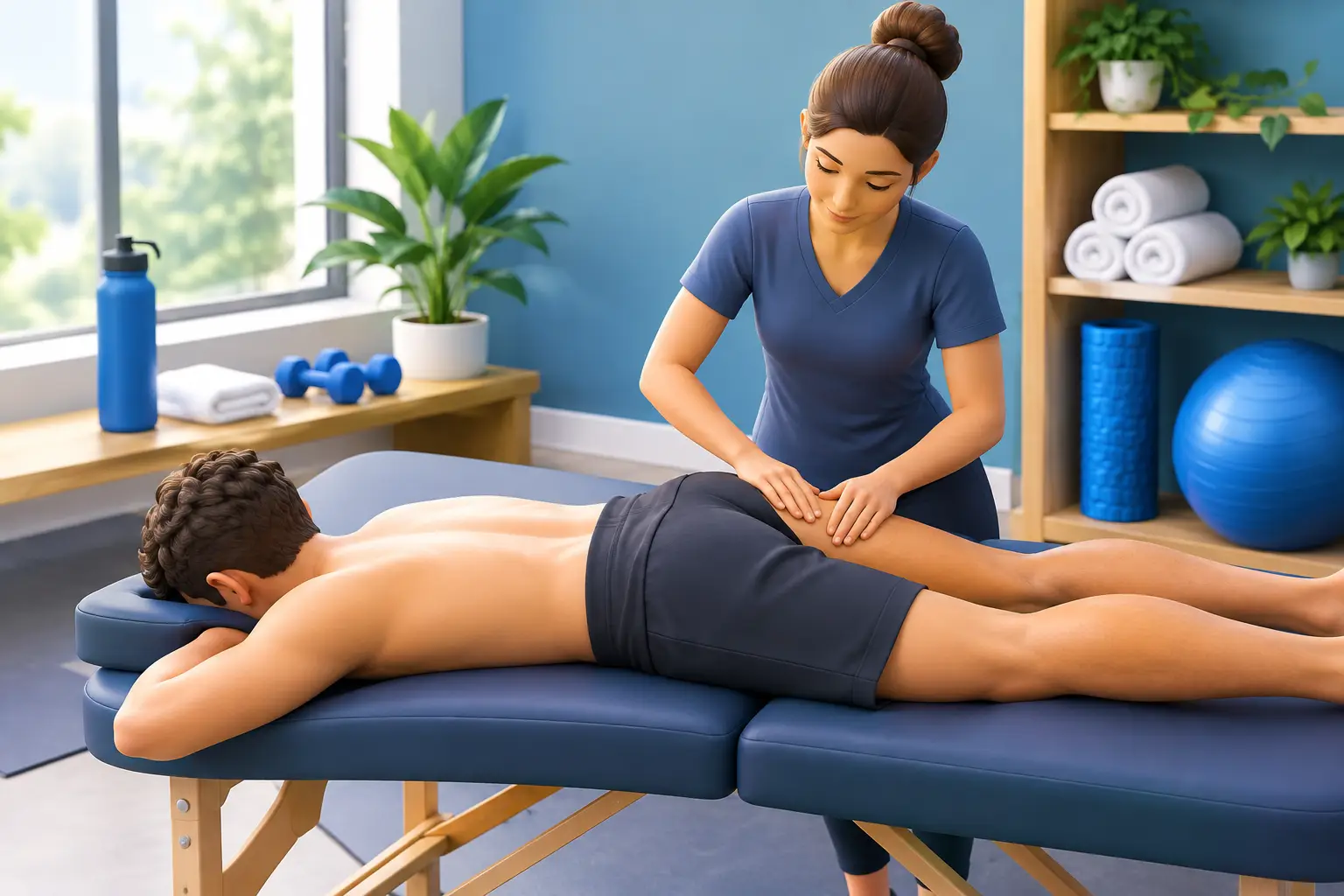
You finished a hard workout, your legs feel heavy, and that tight spot between your shoulder blades is making itself known. So, is massage safe after exercise? For most healthy, active adults, yes – when the timing, pressure, and technique match what your body needs that day. A good post-workout massage should help you come down from exertion, not leave you feeling bruised, drained, or more inflamed.
The key is not treating every workout or every sore muscle the same. A relaxing Swedish massage after a moderate gym session can feel fantastic. Deep, focused work on already irritated tissue immediately after an all-out race, intense lifting day, or new training program may be too much. Your recovery deserves personalized care!
Is Massage Safe After Exercise for Every Workout?
Massage is generally a supportive part of recovery, especially for people who exercise consistently and know their normal responses to training. It can encourage relaxation, reduce the feeling of muscle tightness, support comfortable movement, and give your nervous system a chance to shift out of go-go-go mode.
But “after exercise” covers a wide range of situations. A 30-minute walk, a recreational tennis match, a hot yoga class, a marathon, and a heavy leg workout place very different demands on the body. The harder, newer, or more exhausting the effort, the more conservative the massage should be in the first few hours.
Right after moderate activity, lighter to medium pressure is often the sweet spot. Gentle Swedish massage, assisted stretching, Thai-inspired mobility work, soothing foot work, or calming scalp and neck massage can help you settle into recovery without asking too much of tired muscles.
After a particularly demanding session, think circulation, comfort, and rest rather than trying to “break up” every knot. Aggressive pressure does not prove that the massage is working. In fact, when tissue is already tender from training, hard pressure can increase soreness and make it harder to tell whether discomfort is normal post-exercise fatigue or a developing injury.
Timing Matters More Than Most People Think
There is no single perfect post-workout window. Some people enjoy a lighter massage later the same day. Others feel best waiting 24 to 48 hours, once their initial fatigue has settled and they can better identify what feels tight versus what feels injured.
If you are scheduling massage around regular workouts, consider your goal. If you want to feel relaxed, sleep well, and release general tension, a gentle session on the day of exercise may work beautifully. If you want focused work for persistent calf, hip, shoulder, or back restrictions, booking on a rest day or lighter training day often gives the therapist more room to work thoughtfully.
Athletes preparing for an event may also need a different approach than athletes recovering from one. Before competition, overly deep work can leave a muscle feeling temporarily loose, tender, or less responsive. After competition, the body may need a calming, recovery-centered session rather than an intense corrective treatment.
Hydration, food, and sleep matter here, too. Do not arrive for massage severely dehydrated, lightheaded, or running on nothing but caffeine after a grueling workout. Have water, eat a balanced meal or snack if needed, and tell your therapist exactly what you did, when you did it, and how your body feels now.
Choose Pressure Based on Your Body, Not Your Pain Tolerance
Many active people assume that deeper is always better. It is not. Effective therapeutic massage uses the least force needed to create a helpful change. Sometimes that is broad, flowing pressure. Sometimes it is targeted myofascial release, trigger point therapy, cupping, or focused deep tissue work. The right choice depends on your tissue, your training load, and your health history.
During a post-exercise massage, pressure should feel productive but manageable. You should be able to breathe normally and stay present. Sharp pain, guarding, tingling, numbness, burning, or the urge to hold your breath are signs to speak up immediately.
A skilled therapist will adjust rather than push through. That may mean spending more time around a tight area instead of directly on it, using slower work, adding passive movement, or changing the plan completely. The goal is to help your body feel safer and more mobile, not to win a contest against discomfort.
For example, a runner with fresh calf soreness may benefit from gentle lower-leg massage, foot work, and mobility through the hips and ankles. A desk-working strength trainee with months of upper-back restriction may be ready for more specific work around the chest, shoulders, and thoracic area – provided there is no acute injury. Same word, “massage,” but a very different session.
When You Should Wait or Get Medical Care First
Massage is not the right first step for every ache after exercise. Skip the session and seek medical guidance if you have intense or worsening pain, a suspected fracture, a visible deformity, inability to bear weight, sudden weakness, or major loss of range of motion.
You should also pause for unexplained swelling, significant bruising, warmth and redness in one area, fever, chest pain, shortness of breath, dizziness, or numbness that does not quickly resolve. These symptoms need proper assessment, not deeper pressure.
Be especially cautious with a fresh strain or sprain. In the first stage of an injury, the area may be inflamed and sensitive. Massage directly over it can be uncomfortable and may not be appropriate. A therapist can sometimes work in surrounding areas or offer gentle relaxation work, but only after a clear conversation about what happened and what symptoms are present.
People who take blood thinners, have a history of blood clots, have uncontrolled high blood pressure, are managing cancer treatment, have neuropathy, or have recently had surgery should check with their medical team before receiving massage. Pregnancy, diabetes, skin conditions, and certain medications may also call for technique adjustments. Good bodywork is never one-size-fits-all.
Make Your Post-Workout Massage More Useful
The best massage begins before you get on the table. Tell your therapist about your sport or workout, your weekly training volume, recent changes in intensity, prior injuries, and what you hope to feel afterward. “I want less shoulder tightness when I press overhead” gives clearer direction than “my whole body hurts.”
Be honest about soreness. Delayed-onset muscle soreness can make even normal pressure feel surprisingly intense, especially 24 to 72 hours after an unfamiliar workout. If that is the case, a slower, gentler session may leave you feeling better than a heavy-handed approach.
Afterward, keep your recovery simple. Drink water according to thirst, eat nourishing food, and avoid stacking another punishing workout on top of a strong therapeutic session if your body feels tender. Gentle walking and comfortable mobility can be useful. Notice how you feel later that day and the next morning, because your response helps shape future sessions.
Massage also works best as part of a larger recovery rhythm. Training plans, warm-ups, cool-downs, sleep, stress levels, mobility habits, and rest days all affect how your body holds tension. A massage can be a powerful part of that rhythm, but it is not a substitute for addressing recurring pain, poor technique, inadequate recovery, or an injury that needs clinical evaluation.
Personalized Recovery for Active Philadelphia Bodies
At Life4orceTouch, recovery work is tailored to the person on the table, not pulled from a standard routine. A session may blend calming Swedish massage with myofascial release, trigger point therapy, Thai yoga massage, cupping, or focused work where your movement and training history call for it. The plan should fit your workout, your soreness level, and your goals for tomorrow – whether that is returning to the gym, getting through a busy workday, or simply sleeping more comfortably.
If you are new to massage, start with a clear conversation and a lighter first session. If you are an experienced athlete or bodywork client, bring the details: race dates, lifting program, old injuries, and the movement that is bothering you. Better information leads to better care.
Your body does not need to be punished into recovery. Give it skilled attention, enough rest, and the kind of pressure that helps you feel more at home in your movement. That is where a post-exercise massage can become more than a treat – it can become a steady part of how you care for yourself.