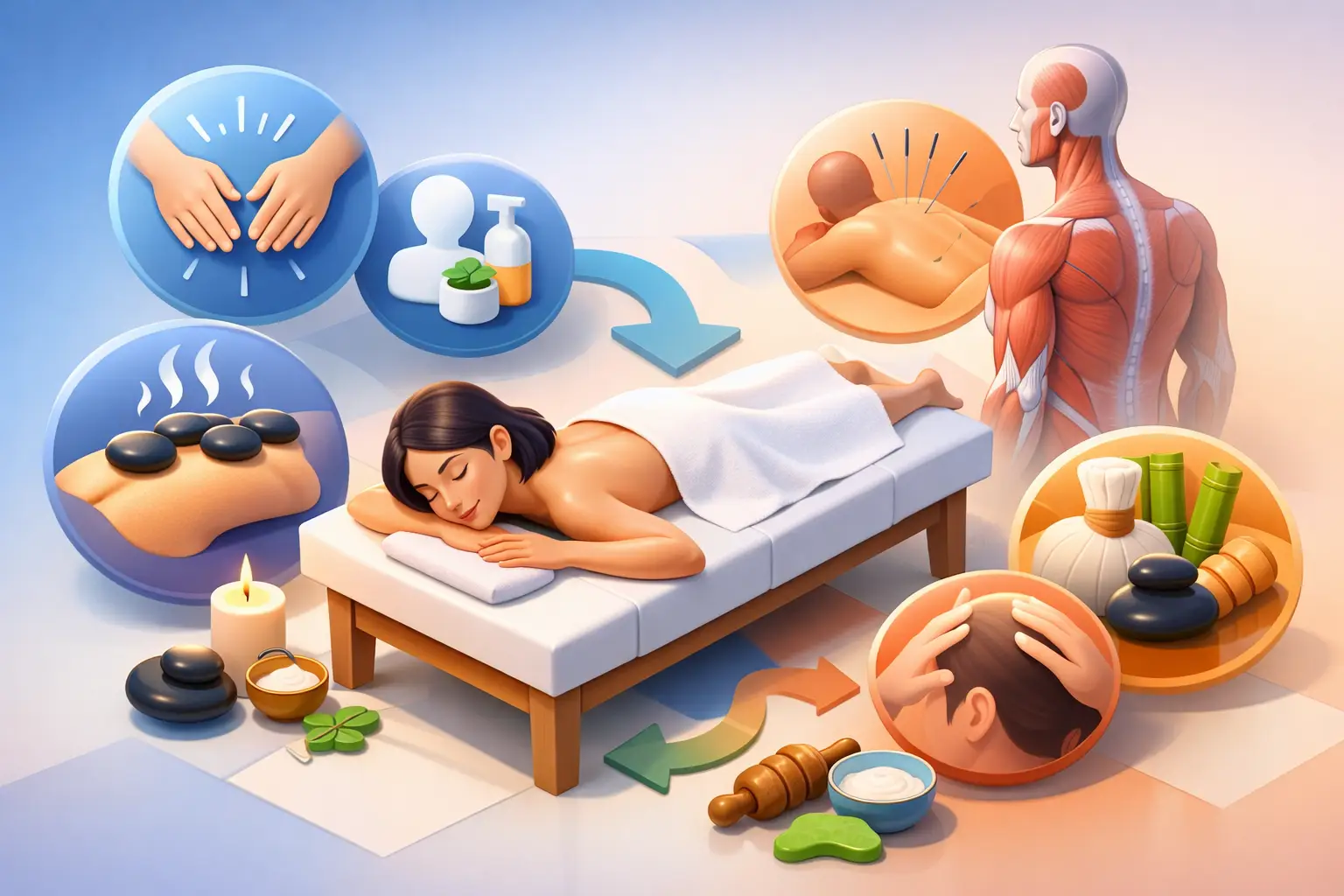

Trigger Point Therapy for Muscle Knots That Linger

Trigger Point Therapy for Muscle Knots That Linger

That hard, tender spot between your shoulder blade and spine is not always just a sore muscle. It may be a trigger point: an irritable, tight area in muscle tissue that can hurt right where it sits or send discomfort somewhere else entirely. Trigger point therapy for muscle knots gives that stubborn tension focused, hands-on attention so your body has a better chance to release, move, and recover.

For many busy Philadelphians, muscle knots build quietly. Hours at a laptop, a long commute, a tough workout, lifting kids, stress, poor sleep, or an old movement habit can all leave certain muscles working overtime. You may notice it when turning your head feels limited, your low back stays achy, or a deep breath pulls at your upper body. You do not have to accept that constant tightness as your normal!

What a Muscle Knot Really Feels Like

A muscle knot is the everyday name for a tight, sensitive area in a muscle or the surrounding connective tissue. It can feel like a small pea, a ropey band, or a dense patch that makes you instinctively say, “Yep, that is the spot.” Some knots are easy to locate. Others are deeper and show up as a vague ache, stiffness, or reduced range of motion.

Trigger points are often described in two ways. An active trigger point hurts on its own or contributes to a familiar pain pattern. A latent trigger point may not bother you until it is pressed, stretched, or asked to work hard. Both can make movement feel less comfortable and may cause nearby muscles to compensate.

The location of pain is not always the location of the problem. A trigger point in the neck or upper shoulder, for example, may contribute to discomfort that seems to travel toward the head, shoulder, or arm. Tight gluteal muscles can affect how the hip or low back feels. This is one reason a thoughtful session looks beyond the single painful spot.

How Trigger Point Therapy for Muscle Knots Works

Trigger point therapy is a targeted massage approach. Your therapist palpates the tissue, identifies areas of unusual tightness or sensitivity, and applies sustained, tolerable pressure with fingers, thumbs, knuckles, or an elbow. The pressure may be paired with slow movement, stretching, myofascial release, or broader massage techniques to help the surrounding area soften.

The goal is not to overpower your muscles or make you grit your teeth through pain. Productive pressure can be intense, especially in a long-held knot, but it should remain within a level you can breathe through and communicate about. Sharp, burning, electric, or alarming pain is a signal to speak up immediately.

A skilled therapist also pays attention to the bigger pattern. A tight upper trapezius may be connected to a forward-head posture, guarded chest muscles, stressed breathing patterns, or repetitive work demands. A calf knot may be related to training volume, footwear, ankle mobility, or recovery habits. Targeting the knot matters, but context matters, too.

Why the Sensation Can Feel So Specific

When direct pressure reaches a sensitive point, you may recognize a familiar referral pattern. You might feel a local tenderness, a spreading ache, warmth, or a sensation that the muscle is beginning to let go. Some people feel relief right away. Others notice change later that day or after a good night of sleep.

Results depend on how long the tension has been present, what keeps aggravating it, your stress level, hydration, training load, and the condition of surrounding tissue. One session can create a meaningful shift, but persistent patterns often respond best to a consistent plan rather than a one-time fix.

What Happens During a Session

Your appointment should start with a conversation, not guesswork. Share where you feel discomfort, what activities make it worse or better, when it started, and what you want to get back to doing. Maybe you want to sit through a workday without neck tension, return to lifting with better hip mobility, or simply sleep without waking up stiff.

Your therapist may assess how you move, how the tissue feels, and which areas appear to be compensating. The work may begin with Swedish massage or slower warming strokes before deeper, more precise pressure is applied. This preparation matters. Trying to force a tense, cold muscle to release can make the body guard even more.

At Life4orceTouch, trigger point work can be thoughtfully blended with deep tissue massage, myofascial release, Thai yoga massage, stretching, or other restorative techniques based on what your body needs that day. That individualized approach is especially useful when the knot is only one part of a larger tension pattern.

Expect communication throughout the session. Good bodywork is collaborative. Let your therapist know if the pressure needs to be lighter, if a sensation refers to another area, or if you have a history of injury, surgery, numbness, or sensitivity. More pressure is not automatically better pressure.

When Trigger Point Work May Be a Great Fit

This style of massage can be helpful when you are dealing with recurring tightness from desk work, exercise, stress, repetitive movement, or limited mobility. It is popular with runners whose calves stay tight, strength athletes carrying tension through the shoulders and hips, professionals who feel locked into their posture, and anyone who misses the feeling of moving freely.

It can also be a valuable maintenance tool. You do not need to wait until discomfort becomes unbearable to care for your muscles. Regular bodywork can help you notice patterns earlier and create time to reset before tension becomes your constant companion.

Still, trigger point therapy is not the right answer for every type of pain. New or severe pain after an accident, unexplained swelling, fever, redness, a suspected fracture, sudden weakness, chest pain, severe headache, or changes in bowel or bladder function need prompt medical evaluation. If you have a blood-clotting condition, are taking blood thinners, have acute inflammation, have an active infection, or are recovering from surgery, consult the appropriate medical professional and tell your massage therapist before booking.

How to Help the Benefits Last

The hours after a session are a chance to support the work your body has just received. Drink water as part of your normal routine, eat nourishing meals, and give yourself permission to move gently instead of launching straight into a punishing workout. A short walk, easy mobility work, or a warm shower may feel wonderful.

Pay attention to what caused the knot to return in the first place. If your shoulders tighten every afternoon, your workstation setup, break schedule, stress response, or breathing habits may deserve attention. If your hips seize after every long run, recovery days, warm-ups, strength balance, and footwear could be part of the conversation.

Try not to attack a sore spot aggressively with a massage gun or ball just because you found it. Brief, controlled self-massage can be useful for some people, but repeated hard pressure on an already irritated area can leave it feeling worse. A therapist can show you when self-care makes sense and when your body would benefit more from rest, movement, or a different strategy.

Choose Relief That Respects Your Body

Muscle knots can be frustrating because they often seem small while affecting so much: your concentration, sleep, workouts, mood, and confidence in movement. Targeted bodywork offers a practical way to meet that frustration with skilled attention, clear communication, and a plan built around your actual life.

You deserve more than a rushed, one-size-fits-all massage. Give your body a chance to be heard, take note of the patterns it is carrying, and choose care that helps you move through your week with a little more space, ease, and energy!

Myofascial Release for Tight Muscles That Linger

Myofascial Release for Tight Muscles That Linger

That familiar tight spot between your shoulder blades, the hip that feels stuck after sitting all day, or the calf that never quite loosens after a workout can make ordinary movement feel like work. Myofascial release for tight muscles offers a focused, hands-on way to address those stubborn areas while helping your whole body settle into easier movement.

At Life4orceTouch, bodywork is never a one-size-fits-all spa routine. Your session can be shaped around what your body is telling you: long workdays, hard training, old patterns of tension, stress, limited range of motion, or simply the need to feel cared for and reconnected. The goal is not to force your body into relaxation. It is to create the conditions where it can let go.

What fascia has to do with feeling tight

Fascia is a web of connective tissue that surrounds and supports muscles, nerves, blood vessels, and organs. Think of it less as one isolated body part and more as a body-wide network. When you bend, reach, walk, or squat, muscles and fascia work together to help those movements happen.

Tightness is not always just a short muscle. It may also involve how you move, how long you stay in one position, how much recovery you get, stress levels, hydration, sleep, previous injuries, and the sensitivity of your nervous system. That is why a sore shoulder can sometimes be connected to chest tension, neck strain, or the way you use your arm at a desk.

Myofascial work uses sustained, attentive contact to explore areas that feel restricted, tender, or less mobile. The practitioner may use slow pressure, gentle stretching, broad holds, or work that follows the tissue rather than pushing aggressively against it. It can feel very different from a fast, general massage stroke.

How myofascial release for tight muscles works

A skilled session begins with listening. You may talk about where you feel tight, what movements bother you, what your workouts or workday look like, and what kind of pressure feels productive. The therapist also pays attention to your posture, comfort, breathing, and how your tissues respond during the session.

Then comes the hands-on work. Rather than chasing discomfort with maximum pressure, myofascial release often asks for patience. A therapist may apply steady pressure to a restricted area and wait for the tissue to soften or for your body to stop guarding. You may be invited to breathe, move a limb slowly, or simply notice changes in sensation.

Some clients feel a gradual melting, warmth, or easier motion. Others notice that an area feels tender at first but lighter afterward. Results vary, especially when tightness has been building for months or years. One session may bring meaningful relief, but repeated care paired with better recovery habits is often more helpful for persistent patterns.

The popular idea that bodywork must painfully break up knots or adhesions is too simplistic. Deep pressure can be useful for some people, but more pressure is not automatically better pressure. A good therapeutic massage respects your nervous system, your goals, and your feedback. Productive work can be strong without making you brace against the table.

When this approach may feel especially helpful

Myofascial release can be a smart choice when your body feels restricted rather than simply tired. You may notice that one side does not rotate as freely, your hips feel bound after commuting, or a particular area keeps tightening again after exercise. It can also complement relaxation-focused massage when stress is showing up in your jaw, neck, shoulders, low back, or breathing.

Active adults often seek this work after lifting, running, cycling, dancing, or long stretches of repetitive training. Working professionals may choose it because hours at a laptop leave their chest, forearms, hips, and upper back feeling compressed. For some people, the biggest benefit is not athletic performance at all. It is being able to turn their head while driving, reach a shelf without hesitation, or get through a day without constantly adjusting their posture.

It depends on the situation. If your goal is full-body relaxation, Swedish massage or hot stone massage may be the better fit. If you have a very specific tender referral pattern, trigger point therapy may be added. Deep tissue massage can also be useful, but it should be applied thoughtfully, not treated as a test of toughness. An integrative session gives your therapist room to choose what fits your body that day.

What to expect during and after a session

Wear clothing that allows you to move comfortably, and arrive ready to share what has been going on in your body. You do not need to know the perfect anatomical name for every sore spot. Describing when you feel it, what makes it worse, and what you want to do more comfortably is plenty helpful.

During the session, speak up early if pressure feels sharp, electric, numb, or overwhelming. Therapeutic bodywork should be collaborative. You can ask for more pressure, less pressure, extra focus on one area, or a quieter, more relaxation-centered experience.

Afterward, you may feel looser immediately, pleasantly tired, or more aware of areas that had been compensating. Light movement can help you enjoy the change: an easy walk, gentle range-of-motion work, or a few unhurried stretches. Drink water because it is part of normal self-care, not because massage somehow flushes toxins from your body. Give yourself permission to notice how you feel over the next day or two instead of rushing right back into a demanding workout.

Keep relief going between appointments

A massage session can create a valuable reset, but daily life has a way of rebuilding familiar tension. The answer is not perfection. It is giving your body more frequent opportunities to move and recover.

If you sit for long periods, change positions before you feel stiff. A brief walk, a few shoulder rolls, or standing while you take a call can interrupt the same posture repeated for hours. If you train hard, schedule recovery with the same intention you give your workouts. Sleep, nourishing meals, manageable training volume, and rest days all affect how your muscles feel.

Pay attention to patterns instead of blaming your body for being tight. Does your neck tighten after stressful meetings? Do your hips complain after long drives? Does your calf keep grabbing when you increase mileage too quickly? Those observations help you and your massage therapist create a more useful plan.

When tight muscles need medical attention

Massage and bodywork can be wonderful support for everyday muscular tension, stress, and movement restrictions. They are not a substitute for medical diagnosis or emergency care. Seek prompt medical attention for sudden weakness, numbness, unexplained swelling, severe pain after an injury, chest pain, shortness of breath, fever, loss of bladder or bowel control, or pain that is rapidly worsening.

If you are managing a recent surgery, blood clotting concerns, osteoporosis, cancer treatment, pregnancy, inflammatory conditions, or a diagnosed injury, let your healthcare provider and massage therapist know. Modifications may be needed, and sometimes another type of care should come first. The right plan is the one that keeps you safe while meeting your goals.

Your body does not need to earn care by becoming unbearable first. If tight muscles are making movement smaller, workouts less enjoyable, or rest harder to find, a personalized myofascial release session may be the supportive reset you have been looking for. Choose a local practitioner who listens, communicates clearly, and treats your comfort as part of the work. Then give yourself the same patience you would offer anyone else who needs to feel better.

Does Deep Tissue Massage for Back Pain Help?

Does Deep Tissue Massage for Back Pain Help?

That sore, tight spot along your low back is rarely just one spot. It may be connected to long hours at a desk, a demanding workout, stress held in your shoulders, old movement habits, or muscles that have been working overtime to compensate for another restriction. Deep tissue massage for back pain can be a powerful way to address those patterns with focused, hands-on care that goes beyond a quick rubdown.

For many people, back pain is not about needing the strongest pressure possible. It is about finding the right pressure, the right areas to treat, and the right pace for the body on that particular day. A skilled therapeutic massage can help decrease muscular guarding, restore more comfortable movement, and give you a much-needed reset!

What Deep Tissue Massage Actually Does

Deep tissue massage uses slow, intentional strokes and sustained pressure to work with deeper layers of muscle and connective tissue. The goal is not to force muscles to release. It is to encourage tense, overworked tissue to soften while helping the nervous system recognize that it can let go of protective holding.

When back muscles stay contracted for days or weeks, they can feel hard, achy, and limited. You may notice pain when getting out of bed, turning to check traffic, reaching for something overhead, or standing after a long meeting. Deep tissue work may help improve circulation in the area and reduce the feeling of stiffness that makes everyday movement frustrating.

A thoughtful session also looks beyond the exact place that hurts. Low-back discomfort, for example, can be influenced by tight glutes, hip flexors, hamstrings, quadratus lumborum muscles, or tension through the mid-back. Upper-back pain may be tied to the chest, neck, shoulders, and the way you use a laptop or phone. That whole-body perspective is where individualized bodywork shines.

When Deep Tissue Massage for Back Pain May Help

Deep tissue work can be especially useful when your pain feels muscular: dull aching, tight bands, soreness after activity, restricted range of motion, or a familiar knot that keeps returning. It is often a strong fit for active adults, gym-goers, runners, cyclists, people with physical jobs, and professionals who spend much of the day sitting.

It can also support recovery when stress has your body locked into a tense posture. Stress does not stay in the mind alone. It can show up as raised shoulders, shallow breathing, clenched glutes, a rigid low back, and a body that never quite feels off duty. Targeted massage paired with slower breathing and intentional relaxation can make a real difference in how your back feels and moves.

That said, deep tissue massage is not the best choice for every type of back pain. Sharp pain, pain after a major fall or accident, unexplained weakness, numbness, tingling that travels down a leg, fever, or changes in bladder or bowel control need prompt medical attention. Massage should complement appropriate medical care, not replace it.

Even with common muscle tension, the right approach depends on your history. If you have a recent injury, spinal condition, osteoporosis, blood-clot concerns, are taking blood thinners, or are recovering from surgery, tell your practitioner before the session. A lighter approach, Swedish massage, myofascial release, or another modality may be more appropriate.

Firm Pressure Is Not the Same as Effective Pressure

There is a popular idea that deep tissue massage has to hurt to work. It does not. Productive pressure may feel intense, especially around a stubborn trigger point or chronically tight muscle, but it should remain manageable. You should be able to breathe normally and communicate clearly throughout the treatment.

If you are bracing, holding your breath, or feeling a sharp, electric, burning sensation, the pressure is too much. Overly aggressive work can leave the body more guarded and sore, which is the opposite of what you came in for. Great therapeutic massage is responsive, not performative.

At Life4orceTouch, a session can combine deep tissue techniques with myofascial release, trigger point therapy, stretching, cupping, Thai yoga massage, or soothing Swedish strokes when your body needs a more balanced approach. The treatment should match your goals, sensitivity, activity level, and current condition – not follow a one-size-fits-all routine.

What to Expect During Your Session

A quality back-pain massage starts with a conversation. Share where you feel discomfort, what makes it better or worse, how long it has been happening, and whether the pain affects sleep, work, exercise, or daily tasks. Mention past injuries, medical conditions, and treatments you have already tried. These details help guide the work safely and effectively.

Your practitioner may assess how you move, where you feel restricted, and which surrounding muscles appear to be contributing. The session may include work on the back itself, but also on the hips, glutes, legs, shoulders, chest, or neck. That can be surprising at first, yet the body works as an interconnected system.

During treatment, speak up. Ask for more or less pressure. Let your therapist know if a technique feels especially helpful or if something does not feel right. Massage is collaborative care. The more clearly you communicate, the more personalized the session can become.

Afterward, you may feel lighter, looser, and more mobile right away. Some people feel tender for a day, particularly after work on long-standing tension. Gentle walking, normal hydration, restful sleep, and avoiding a sudden high-intensity workout can help your body settle into the changes.

Make the Relief Last Between Appointments

Massage works best as part of a realistic body-maintenance routine. If your work setup, training schedule, stress load, or sleep habits keep feeding the same tension pattern, one session may bring relief without fully changing the pattern. Consistency matters, especially with chronic tightness.

Between sessions, choose movement you can repeat. A few easy walks, regular position changes during work, gentle hip and chest mobility, and a short wind-down routine can all support your back. You do not need an elaborate program to care for your body. You need habits that fit your actual life.

Pay attention to what your back is telling you, too. Does it tighten after sitting? After carrying bags on one side? Following a particular workout? Those clues can help you and your massage therapist create a more useful plan instead of chasing the same pain week after week.

A Better Standard for Back Care

Back pain can make even small tasks feel like a big deal. Getting dressed, driving across Philadelphia, lifting groceries, or trying to relax on the couch should not require a negotiation with your body. Targeted massage can offer both immediate comfort and a practical path toward better movement when muscular tension is part of the problem.

You deserve care that listens closely, works thoughtfully, and leaves you feeling supported rather than pushed past your limits. If your back has been asking for attention, give it the skilled, personalized care it has been waiting for – then carry that easier movement into the rest of your week!

How to Find the Best Massage in West Philadelphia

How to Find the Best Massage in West Philadelphia

A great massage should not leave you wondering why that one tight shoulder still feels exactly the same. When people search for the best massage in West Philadelphia, they are often looking for more than a quiet room and a pleasant hour away from email. They want relief from daily stress, workout soreness, stiff hips, nagging neck tension, limited movement, or the feeling that their body has been carrying too much for too long.

The right session can absolutely feel relaxing. It can also be focused, intentional, and built around what your body needs right now. That difference matters whether you are new to massage, training hard, working long hours at a desk, or trying to manage recurring discomfort without making your wellness routine more complicated.

What Makes the Best Massage in West Philadelphia?

There is no single massage style that works best for every person. A gentle Swedish massage can be the perfect fit after a stressful week, while someone with persistent muscle tightness may need deeper work, myofascial release, trigger point therapy, or a combination of approaches. The best massage is not the one with the most pressure. It is the one that meets your goals safely and thoughtfully.

Look for a therapist who asks questions before beginning. Where are you feeling discomfort? Has it been there for days or years? Does it affect sleep, exercise, work, or your range of motion? Have you had an injury, surgery, or a medical condition that should shape the session? A personalized intake is the starting point for bodywork that feels purposeful rather than generic.

Experience matters, but so does range. A practitioner with multiple therapeutic tools can adjust the session instead of forcing every concern into the same routine. Your body may need soothing work in one area and targeted work in another. That is not overcomplicating massage. It is paying attention.

Start With the Result You Want

Before booking, get clear about what you want to feel differently when you leave. You do not need to know the name of the perfect modality. You simply need to describe your experience honestly.

If your main goal is to decompress, sleep more comfortably, and let your nervous system settle, Swedish massage, hot stone massage, Reiki, craniosacral bodywork, or calming reflexology may be a strong fit. These sessions can create a deeply restorative reset without the intensity some people associate with therapeutic massage.

If your goal is better movement or relief from stubborn tightness, deeper therapeutic options may make more sense. Deep tissue massage can address persistent muscular tension. Myofascial release focuses on restrictions in connective tissue that may contribute to a pulling, stuck, or limited feeling. Trigger point therapy can be helpful when a concentrated knot seems to refer discomfort into another area, such as neck tension that travels toward the head or shoulder.

Athletes and active adults often benefit from a mixed approach. Sore calves, overworked glutes, tight hamstrings, and restricted shoulders do not always need the same kind of pressure. Cupping, Thai yoga massage, stretching, focused deep tissue work, and reflexology can be combined according to your training load, recovery needs, and comfort level.

The trade-off is simple: deeper is not automatically better. Excessive pressure can leave you bracing against the work instead of receiving it. Effective therapeutic bodywork should feel productive, not punishing. Speak up about pressure, temperature, comfort, and tender areas. A skilled therapist will adjust.

Choose a Massage Practice With More Than One Tool

A massage menu is not just a list of extras. It tells you whether a practice can meet different bodies and changing needs. Your ideal session may be a classic relaxation massage this month and a more targeted combination next month after a long drive, a new fitness routine, or a demanding work stretch.

At Life4orceTouch, individualized care can include Swedish massage, deep tissue massage, myofascial release, trigger point therapy, cupping, Thai yoga massage, Thai reflexology, hot stone massage, shiatsu, Reiki, craniosacral bodywork, body scrubs, and foot detox services. That breadth gives clients room to choose an experience that supports both immediate comfort and ongoing body maintenance.

For example, Thai yoga massage may appeal to someone who feels stiff and wants assisted stretching along with hands-on bodywork. Shiatsu uses pressure techniques that can feel grounding and energizing. Hot stones can help warm tense tissue for clients who prefer heat and comfort. A body scrub may be a welcome addition when the goal is full-body renewal rather than targeted muscular work.

You do not need every modality in one appointment. In fact, the most effective session is often the one that stays focused. A therapist should explain what they recommend and why, then keep your feedback at the center of the plan.

Questions Worth Asking Before You Book

A good massage provider should make it easy to understand what they offer and who they serve. Ask whether sessions are customized, what modalities are available, and whether the therapist regularly works with clients managing chronic tightness, mobility concerns, athletic recovery, or stress-related tension.

It is also reasonable to ask how they handle pressure preferences and whether they can adapt if a technique does not feel right. Massage is collaborative. You should never feel obligated to tolerate discomfort because you think that is what therapeutic work is supposed to be.

If you are pregnant, recently had surgery, take blood-thinning medication, have a skin condition, or are managing a serious health concern, share that information before your appointment. Massage can be a valuable part of an integrated wellness routine, but certain techniques may need to be modified or postponed. For sudden severe pain, numbness, swelling, fever, or a new unexplained symptom, seek medical guidance first.

Get More From Your First Appointment

Arrive with a simple, honest description of what has been going on in your body. Mention the places that hurt, but also mention what makes them worse or better. Does your back tighten after sitting? Do your shoulders rise toward your ears during stressful calls? Does one hip feel restricted when you run, squat, or climb stairs? Those details help shape smarter bodywork.

During the session, keep communicating. A quick comment like “that spot feels too sharp” or “I would like more work around my right shoulder blade” can transform the experience. There is no prize for staying silent through a technique that is not serving you.

Afterward, give yourself a little room to notice the results. Drink water, move gently, and avoid judging the entire session in the first five minutes. Some clients feel immediate lightness; others recognize changes in sleep, movement, or stress levels later that day or the next morning. If a particular approach helped, schedule with that information in mind. Consistency can be more meaningful than waiting until tension becomes unbearable.

Keep Your Wellness Dollars in the Neighborhood

West Philadelphia thrives when neighbors support neighborhood businesses. Choosing a local massage practice means more than convenience. It can mean building a relationship with a practitioner who learns your goals, notices your progress, and can adapt your care over time.

Consider making massage part of your regular self-care plan instead of treating it as an emergency measure. Package savings, referral incentives, seasonal promotions, birthday offers, and gift cards can make ongoing care more accessible while giving you a practical way to share wellness with someone you care about.

Your body works hard for you every day. Give it care that feels personal, knowledgeable, and genuinely restorative. The next time your shoulders feel heavy, your movement feels restricted, or your stress has settled into your muscles, choose a session that meets you where you are and helps you leave feeling more like yourself!

Yelp 5-Star Reviews

Yelp Read

Life4orceTouch Yelp 5 Star Review
Amazing results. I’m used to deep tissue therapy that, while successfully releasing my muscle knots and relieving persistent tension, the pressure hurts more than Frank’s technique. Yet I experienced the same great results. 9/27/16 Joseph R ~ Ardmore PA

Book Your Session On-line TODAY

Life4orceTouch.com

America’s #1 Health Problem

Book Your Next Massage On-line NOW

time-magazine1
America’s #1 Health Problem

IMPORTANT!! Life4orceTouch Must Read

“It has been estimated that 75 – 90 percent of all visits to primary care physicians are for stress related problems.”

~sited by Dr Rossman, MD on a recent NJ PBS Special On Stress

America’s #1 Health Problem

Time magazine’s June 6, 1983 cover story called stress “The Epidemic of the Eighties” and referred to it as our leading health problem; there can be little doubt that the situation has progressively worsened since then. Numerous surveys confirm that adult Americans perceive they are under much more stress than a decade or two ago. A 1996 Prevention magazine survey found that almost 75% feel they have “great stress” one day a week with one out of three indicating they feel this way more than twice a week. In the same 1983 survey only 55% said they felt under great stress on a weekly basis. It has been estimated that 75 – 90 percent of all visits to primary care physicians are for stress related problems.* Job Stress is far and away the leading source of stress for adults but stress levels have also escalated in children, teenagers, college students and the elderly for other reasons, including: increased crime, violence and other threats to personal safety; pernicious peer pressures that lead to substance abuse and other unhealthy life style habits; social isolation and loneliness; the erosion of family and religious values and ties; the loss of other strong sources of social support that are powerful stress busters.

(*Job Stress: America’s Leading Adult Health Problem, by Paul J. Rosch, M.D., F.A.C.P., in USA Magazine, May 1991.

American Academy of Family Physicians Survey, 1988,U.S. News & World Report, December 11, 1995

also

Research by Perkins (1994) cited in the Harvard Business Review showed that 60% to 90% of doctor visits were stress-related.

Book Your Next Massage On-line NOW

Life4orceTouch Awarded 2016 Best In Service

Life4orceTouch – Your Massage Resource 2016 Best in Business – Small Business Category

The Philadelphia Best Businesses Awards recognizes outstanding small businesses that serve their local market. Each year, our selection committee identifies companies that we believe have achieved outstanding marketing success in their local community and business category. These are small businesses that enhance the positive image of small businesses through service to their customers and community.

Book Your Massage Today at:   Life4orceTouch.com