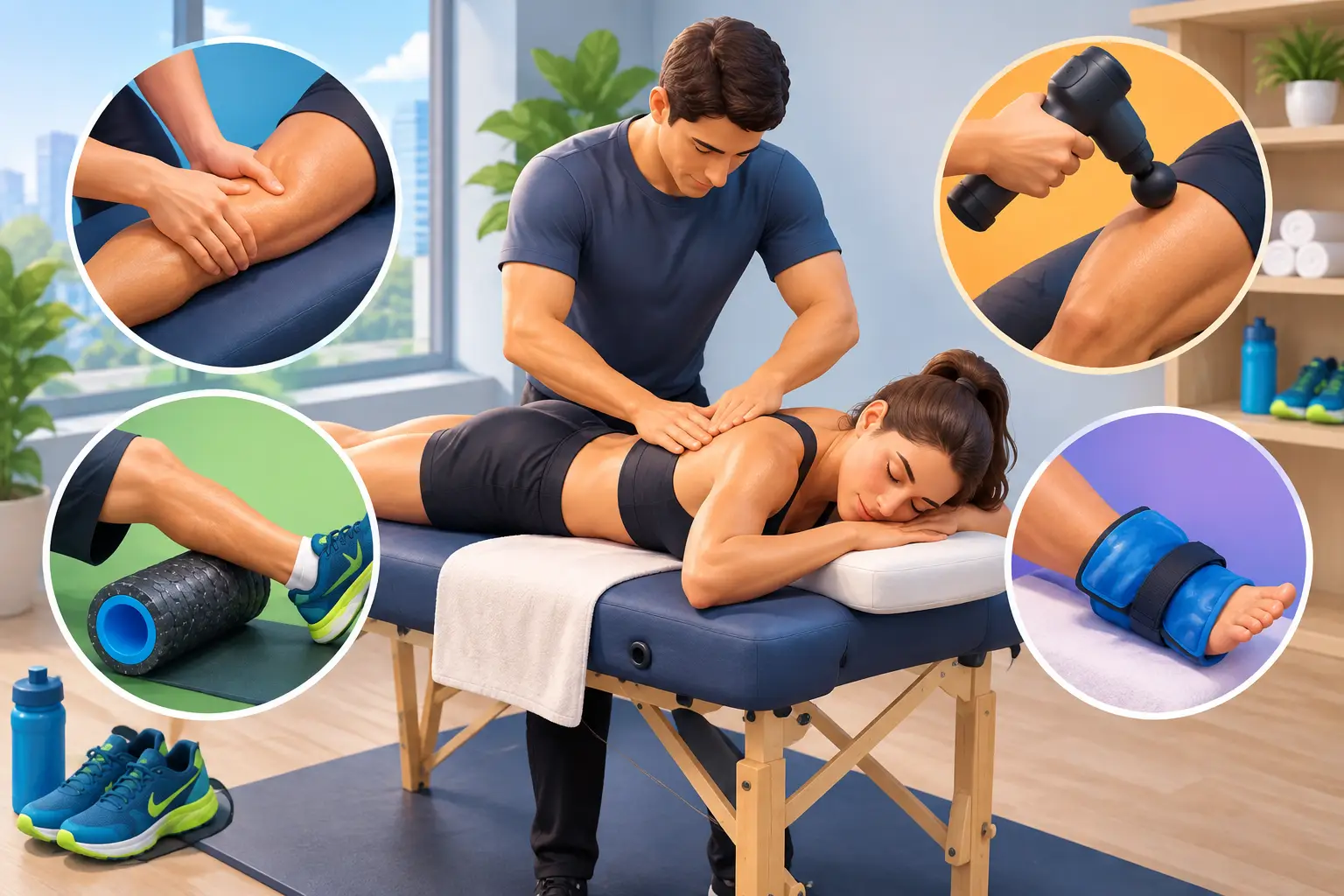
A hard workout can leave you feeling strong, clear-headed, and accomplished – until you walk downstairs the next morning. Your calves feel like cables, your hips refuse to open, and that familiar pull near the outside of the knee has started whispering again. The best massage modalities for runners are not necessarily the deepest or most intense. They are the ones that meet your body where it is: tired, hardworking, and ready for smart, individualized recovery.
Massage cannot replace progressive training, adequate sleep, nutrition, or evaluation of a significant injury. But the right bodywork can be a valuable part of a runner’s maintenance plan. It can help you notice tension patterns early, feel more comfortable in your stride, and make space for genuine rest between miles.
Why Runners Need More Than a Generic Massage
Running is beautifully repetitive. It is also repetitive stress. With every stride, the feet, calves, hamstrings, quads, hips, and trunk coordinate to absorb force and propel you forward. A small restriction in one area can change how another area works. Tight calves may affect ankle motion. Stiff hips can encourage the lower back or knees to take on extra work. A sore foot can alter your entire gait without you realizing it.
That does not mean every tight muscle needs to be attacked. In fact, aggressive pressure on already irritated tissue can leave you more sore and less ready to train. A thoughtful massage session considers your race calendar, recent mileage, sleep, stress level, injury history, and how your body feels that day. Sometimes you need targeted therapeutic work. Sometimes you need circulation, nervous-system calming, and a full-body reset.
Best Massage Modalities for Runners: What Each Does
Deep tissue massage for persistent muscular tightness
Deep tissue massage is often the first modality runners request, especially when the calves, glutes, hamstrings, or hip flexors feel chronically dense. It uses slower, more focused pressure to address deeper layers of muscle and connective tissue. This can be useful when training volume, hill work, speed sessions, or long hours at a desk have created stubborn tension.
The key word is focused. Deep tissue work should not mean enduring pain for the sake of pain. A skilled session may include firm, deliberate pressure, but you should still be able to breathe and communicate. If you are wincing, bracing, or holding your breath, the work may be too intense to be productive.
Deep tissue massage often fits best during base-building phases or after a race, not the day before an important event. Give your body time to respond, hydrate, and recover afterward.
Myofascial release for movement restrictions
Fascia is connective tissue that surrounds and connects structures throughout the body. When runners describe feeling “stuck,” restricted, or unable to move smoothly despite stretching, myofascial release can be an excellent choice. This approach uses sustained, intentional contact rather than fast rubbing to work with areas of restricted tissue.
For runners, common focus areas include the feet, calves, outer thigh, hips, low back, chest, and shoulders. Yes, the upper body matters. A compressed chest or tense shoulders can affect posture and arm swing, especially late in a long run when fatigue sets in.
Myofascial work may feel slower than a traditional massage, but that is part of its value. It gives your body time to soften rather than forcing a quick change. Many runners appreciate it when flexibility feels limited or when one side of the body consistently feels different from the other.
Trigger point therapy for specific referral patterns
Trigger point therapy is targeted work on sensitive, tight areas within muscle that may refer discomfort elsewhere. A knot in the glute may contribute to a sensation down the leg. A tight calf may create discomfort around the ankle or foot. This is one reason runners should avoid guessing that the place that hurts is always the source of the problem.
This modality can be especially helpful for localized issues in the glutes, piriformis area, calves, feet, upper back, and hip muscles. It is precise work, often combined with movement, breathing, or gentle stretching. Since trigger points can be tender, communication matters. The goal is relief and improved function, not a contest to see how much pressure you can tolerate.
If you have sharp pain, sudden swelling, numbness, tingling, weakness, or pain that changes your ability to bear weight, pause the massage plan and seek appropriate medical evaluation.
Thai yoga massage for mobility and full-body recovery
Thai yoga massage blends assisted stretching, rhythmic compression, joint movement, and bodywork. For runners who feel generally compressed from training, commuting, and sitting, it can be a wonderful way to restore a sense of length and mobility without forcing yourself through another solo stretching routine.
This modality is particularly useful for hips, hamstrings, adductors, calves, feet, and the spine. The assisted nature of the work can reveal where you are guarding, compensating, or simply moving less freely than usual. It can also be deeply energizing, which makes it a strong option for active people who want recovery without feeling flattened afterward.
Thai yoga massage is not always ideal immediately after an all-out race or during an acute flare-up. Your tissues may need gentler care first. But during regular training blocks, it can support the mobility work many runners know they should do but struggle to maintain consistently.
Swedish massage for recovery, circulation, and stress relief
Never underestimate a well-delivered Swedish massage. Long, flowing strokes and lighter-to-moderate pressure can encourage relaxation, ease the sensation of overall muscle fatigue, and help a busy runner come down from a high-alert state. Training stress is still stress, especially when it sits alongside work deadlines, family responsibilities, poor sleep, and a packed Philadelphia schedule.
Swedish massage is a smart choice after a demanding race, during a recovery week, or when you are sore everywhere but do not have one clear trouble spot. It is also ideal for newer runners who are nervous that massage has to hurt to work. It does not!
Relaxation is not separate from performance. When you are sleeping poorly and carrying tension all day, recovery can feel harder than it needs to. A calming session can help your body shift gears.
Cupping for stubborn areas that need a different approach
Cupping uses suction to lift tissue rather than pressing down into it. Some runners enjoy it for tight calves, hamstrings, quads, hips, shoulders, and the upper back. It can create a noticeable sense of space in areas that feel dense or overworked, particularly when used alongside massage and movement-based bodywork.
The trade-off is visible marks. Cupping marks are not bruises in the usual sense, but they can last for several days or longer depending on your body and the intensity of the session. Plan accordingly if you have an event, photos, or skin exposure on the calendar. Cupping is also not appropriate for everyone, including people with certain medical conditions or medications, so an intake conversation is essential.
Timing Your Massage Around Training
The same massage can feel completely different depending on when you receive it. For a key race, avoid experimenting with intense deep work or a new modality in the final few days. You want to arrive at the start line feeling familiar with your body, not tender in surprising places.
A lighter Swedish massage, gentle myofascial work, or a session focused on relaxation may work well before an event if it is already part of your routine. Save deeper work for after the race or a lower-mileage period. During a training cycle, many runners benefit from regular sessions every few weeks, with frequency adjusted for mileage, recovery capacity, and recurring problem areas.
Think beyond the finish line, too. A massage after a marathon can feel wonderful, but it does not need to happen immediately. Sometimes waiting a day or two allows the initial soreness and inflammation to settle. Listen to your body rather than chasing a rigid recovery rule.
Your Best Modality May Be a Combination
Most runners do not fit neatly into one modality. You may need focused trigger point work for glutes, myofascial release around the hips and calves, then relaxing Swedish strokes to help the whole system settle. That integrated approach is often more useful than requesting “deep tissue” for every appointment.
At Life4orceTouch, runner-focused bodywork can be shaped around your current training demands, your movement goals, and the areas that keep asking for attention. Whether you are preparing for your first 5K, logging long weekend miles, or returning to a running routine after time away, your session should feel personal – not like a standardized spa checklist.
Your running body carries you through West Philly streets, trail miles, races, errands, and every busy day in between. Give it recovery care that respects the work it does. A well-timed, skillfully tailored massage can become one of the most enjoyable ways to stay connected to your body and keep moving forward.