
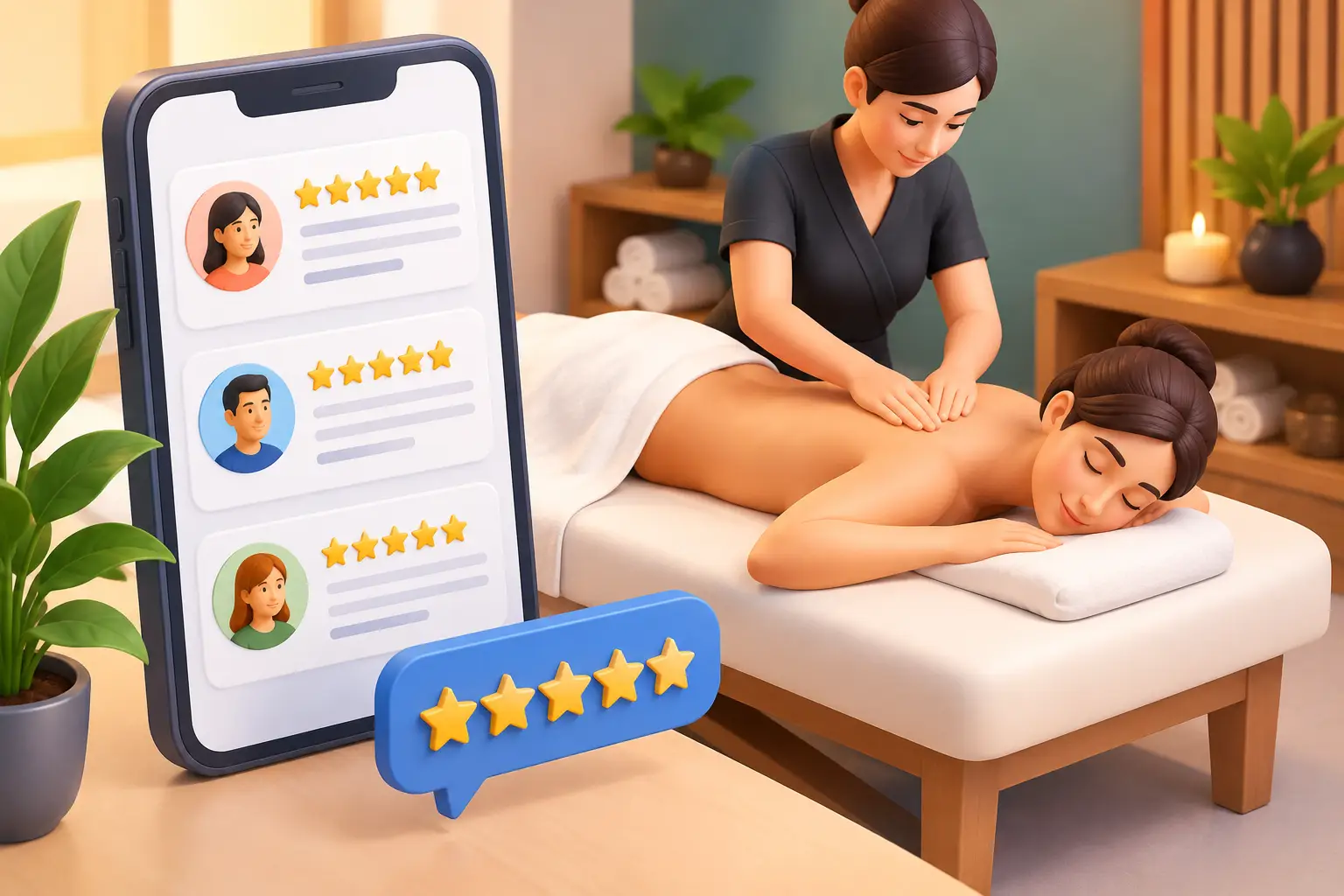
A five-star rating may get your attention, but the best custom massage reviews tell a fuller story: what hurt, what the therapist noticed, how the session was adapted, and how the client felt afterward. For people carrying work stress in their shoulders, training fatigue in their legs, or long-standing tightness that will not quit, those details matter far more than a generic comment about a relaxing hour.
Massage is personal. The right session for a runner with stubborn calf tension may look very different from the right session for a desk-bound professional with headaches, shallow breathing, and a locked-up upper back. Reviews can help you find care that meets your body where it is instead of placing you into a one-size-fits-all routine.
What Custom Massage Reviews Should Reveal
A useful review does not need to be long. It does need to be specific. Look for evidence that the therapist listened before beginning, checked in during the session, and adjusted the work based on the client’s comfort level and goals.
Phrases such as “they found the exact spot,” “the pressure was adjusted when I asked,” or “I could move more freely after my appointment” are meaningful because they describe individualized care. They suggest that the therapist is responding to the person on the table, not following the same sequence for every appointment.
Pay attention to the reason the reviewer came in. A strong practice will often serve people with different needs: chronic neck and shoulder tension, post-workout soreness, restricted range of motion, stress overload, touch deprivation, or the simple desire to rest deeply. The goal is not to find someone with a review that mirrors your situation perfectly. It is to see whether the therapist has the curiosity, skill, and flexibility to work thoughtfully with a range of bodies and concerns.
A review that mentions a detailed intake or a conversation about goals is also a good sign. Deep tissue massage, trigger point therapy, myofascial release, cupping, Thai yoga massage, and hot stone massage are not interchangeable labels. Each may be helpful in the right context, but the best approach depends on your preferences, health history, tolerance, and what your body needs that day.
Read Beyond the Star Rating
Star ratings are helpful at a glance, but they do not explain why clients return. Read a mix of the newest reviews and older ones. Recent feedback can show whether the experience is consistent now. Older feedback can reveal whether a therapist has earned trust over time and built relationships with repeat clients.
Consistency matters even more in a solo private practice. When you book with one therapist, you are not taking a chance on being passed from one provider to another. You can build on previous sessions with someone who knows your pressure preferences, recurring tension patterns, movement goals, and the life circumstances that may be affecting your body. The trade-off is that a solo practitioner may have more limited appointment availability than a large spa. For many clients, that continuity is worth planning ahead for.
Also, notice how reviewers describe the atmosphere. Some people want quiet, warmth, and a chance to completely decompress. Others want education, targeted work, and clear communication about what is being addressed. Neither preference is better. The right review signals that the therapist can create a safe, welcoming environment while still delivering focused bodywork.
Be careful with reviews that promise miraculous cures. Massage can be a powerful part of pain management, stress reduction, recovery, and mobility support, but it is not a replacement for medical diagnosis or emergency care. Credible testimonials tend to sound grounded: less pain after a series of sessions, easier movement, better sleep, reduced tension, or a greater sense of connection with one’s body.
Match the Review to Your Goal
Before reading reviews, get clear about what you want from your massage. “I need a massage” is a real feeling, but it can mean several things. Maybe you want relaxation after a demanding week. Maybe you are preparing for an event, recovering from a tough workout, or trying to manage the daily pull of chronic muscle tension.
If relaxation is your priority, look for comments about calming Swedish massage, soothing hot stones, gentle touch, or leaving refreshed rather than depleted. If you need more therapeutic support, seek reviews that mention deep tissue work, focused pressure, trigger points, fascia, stretching, mobility, or relief in a specific area. For clients who feel stiff but dislike intense pressure, Thai yoga massage or a blend of stretching and massage may be a better fit than an aggressive deep tissue session.
The word “deep” deserves special attention. Deep tissue does not have to mean painful, and pain is not proof that a massage is effective. Productive therapeutic work may feel intense at moments, but you should still be able to breathe, communicate, and relax into the work. Reviews that praise a therapist for checking in, respecting boundaries, and changing pressure are often more valuable than comments that celebrate how much discomfort a client endured.
Green Flags in Personalized Massage Feedback
When several clients independently mention the same strengths, that pattern deserves your attention. In custom massage reviews, the most encouraging themes usually include careful listening, knowledgeable recommendations, respectful communication, precise work, and results that match the client’s goals.
Look for reviews that explain how the massage was customized. Did the therapist spend extra time on the hips because the client sits all day? Did they combine focused trigger point work with relaxation techniques so the client was not left feeling overstimulated? Did they offer a different modality when the original plan was not the best fit? Specificity points to professional judgment.
It is also worth noticing whether clients describe feeling comfortable speaking up. You should always be able to say, “Please use less pressure,” “Can we avoid that area today?” or “I need more work on my lower back.” A therapeutic massage is collaborative. The therapist brings training and hands-on skill; you bring the most important information available: how your body feels.
At Life4orceTouch, individualized care can include relaxation-focused massage alongside targeted modalities such as myofascial release, trigger point therapy, cupping, Thai reflexology, shiatsu, craniosacral bodywork, and Reiki. That variety is valuable not because more techniques automatically make a session better, but because it gives your therapist more ways to respond to your needs.
Ask Better Questions Before You Book
Reviews are a starting point, not the entire decision. If you are managing persistent pain, recovering from an injury, living with a health condition, or feeling unsure about which service to choose, ask questions before your appointment. Explain what you are experiencing, what has helped or aggravated it in the past, and whether you prefer gentle, moderate, or firmer pressure.
You can also ask how a therapist approaches first visits. Will there be time to discuss your goals? Can the session change if your body needs something different than you expected? What should you expect to feel later that day or the next morning? Thoughtful answers often reveal as much as a glowing testimonial.
For a first massage, you do not have to arrive with perfect body awareness or the right vocabulary. “My shoulders feel like they are up to my ears,” “my hips feel tight after driving,” and “I want to relax but also need help with my back” are all useful places to begin. A good therapist will help translate those experiences into a plan.
Let Reviews Lead You Toward Ongoing Care
The most persuasive massage reviews are often written by people who made bodywork part of their regular care, not just an occasional rescue after they hit a wall. That does not mean everyone needs weekly appointments. Frequency depends on your budget, stress level, activity, goals, and how your body responds. Some clients benefit from a focused series of sessions, while others thrive with monthly maintenance.
Choose the feedback that sounds honest, specific, and aligned with what you need right now. Then give yourself permission to book the session, communicate openly, and see what consistent, personalized touch can do for your body. Your muscles have been carrying your life all week. They deserve skilled attention!