
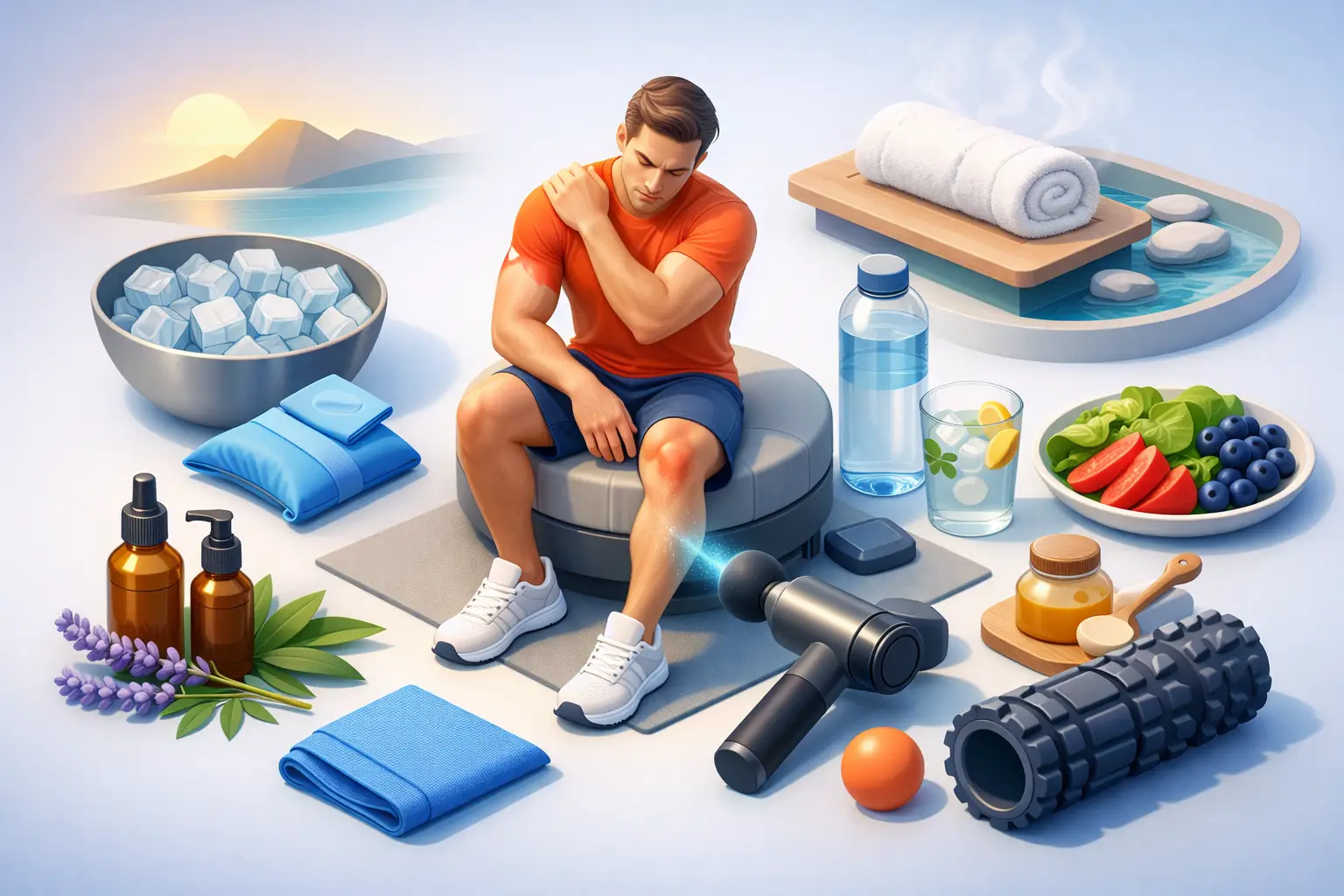
That stiff walk down the stairs after leg day is a familiar badge of effort. But when soreness makes it hard to sit at your desk, sleep comfortably, or make it back to the gym, recovery needs more attention than a quick stretch. Knowing how to reduce workout soreness naturally can help you stay consistent with movement without pushing your body into exhaustion.
The goal is not to eliminate every trace of post-workout soreness. Some muscle tenderness after a new, harder, or longer workout is normal. The goal is to support circulation, restore comfortable movement, and give your tissues the time and resources they need to adapt.
Why workout soreness shows up a day later
Delayed-onset muscle soreness, often called DOMS, commonly begins 12 to 24 hours after training and may peak one to three days later. It is especially common after strength training, downhill running, jumping, or any workout that emphasizes slow lowering movements. Those movements create tiny disruptions in muscle tissue, followed by an inflammatory repair response.
That does not mean soreness is proof of a “better” workout. You can make excellent progress without being intensely sore after every session. In fact, constantly chasing soreness can make it harder to train consistently, maintain good form, and recover fully.
A mild, broad ache or tenderness that improves as you warm up is usually different from an injury. Sharp pain, major swelling, bruising, numbness, joint instability, weakness, or pain that keeps getting worse deserves medical attention. Natural recovery is useful for ordinary training soreness, not for ignoring a real problem.
How to reduce workout soreness naturally: start before you finish
Your recovery starts in the final minutes of the workout. Rather than stopping abruptly after an intense session, spend five to 10 minutes easing your pace down. Walk after a run, pedal lightly after cycling, or move through gentle range-of-motion work after lifting. This will not erase DOMS, but it can help your nervous system shift out of high gear and keep stiff muscles from locking up.
Avoid treating stretching like punishment. Long, aggressive stretches on already irritated muscles can feel worse. Instead, use comfortable, controlled movement. After a lower-body workout, try easy hip circles, bodyweight squats within a pain-free range, ankle mobility, or a relaxed walk around the block. The right amount feels relieving, not forced.
If you are new to exercise or returning after time away, progression matters more than any recovery trick. Add volume, weight, mileage, or intensity gradually. A demanding workout can be productive. A sudden leap from occasional activity to five hard sessions a week is often a fast route to excessive soreness.
Eat and drink like recovery is part of training
Muscles need more than motivation to repair. They need fuel. After exercise, prioritize a meal or snack with protein and carbohydrates, especially if you have another workout within the next day. Protein provides amino acids for tissue repair, while carbohydrates help replenish the energy stored in your muscles.
There is no single magic recovery food. A yogurt-and-fruit bowl, eggs with toast, chicken and rice, tofu with quinoa, or a bean-based grain bowl can all work. What matters is eating enough overall, not relying on a supplement while under-fueling the rest of the day.
Hydration also makes a noticeable difference in how your body feels. Water supports normal circulation and helps you recover from sweat losses. If your workout was long, very sweaty, or performed in heat, include electrolytes through food or a beverage that agrees with you. Pale yellow urine is a practical general sign that you are likely hydrated, though individual needs vary.
Alcohol can complicate recovery by disrupting sleep and hydration. You do not have to live perfectly, but if you are unusually sore or training toward a goal, choosing water and a balanced meal over several drinks is a body-smart tradeoff.
Use active recovery, not total shutdown
When ordinary DOMS hits, many people alternate between two extremes: they either train hard again or avoid all movement. Usually, the middle ground works best. Gentle activity increases blood flow, reduces the feeling of stiffness, and reminds your body that it can move safely.
A 20-minute walk, easy swim, relaxed bike ride, light yoga, or mobility session can be enough. Keep the intensity low enough that you can speak in full sentences. Active recovery should leave you feeling looser and more energized, not drained.
Training around soreness is sometimes appropriate. If your quads are tender from squats, an easy upper-body workout may be fine. If soreness changes your movement pattern, affects balance, or makes normal form impossible, give that area more time. Your body adapts during recovery, not only during the workout itself.
Sleep is the recovery tool you cannot outsmart
A great massage, hydration plan, and healthy meal cannot fully compensate for chronically poor sleep. Deep sleep supports many of the processes involved in physical repair, hormone regulation, and pain perception. One short night will not ruin your progress, but several can make soreness feel heavier and workouts feel harder.
Give yourself a realistic wind-down routine after evening exercise. A shower, a nourishing meal, lower lights, and a few quiet minutes of breathing can help signal that training is over. If you use a phone in bed, set a boundary that is actually doable, such as putting it down 20 minutes before sleep instead of promising never to scroll again.
Where therapeutic massage fits into natural soreness relief
Massage is not a substitute for sleep, food, or sensible training. It can, however, be a powerful part of a natural recovery routine. Skilled hands-on work may ease the sensation of tightness, encourage relaxation, improve comfortable range of motion, and help you reconnect with areas that feel overworked or restricted.
The best approach depends on what your body is telling you. Immediately after an especially punishing workout, ultra-deep pressure on tender muscles may not feel helpful. Swedish massage, gentle myofascial release, Thai yoga massage, or focused work that respects your comfort level may be a better choice. A few days later, when acute tenderness has settled but stubborn tension remains, deeper therapeutic work or trigger point therapy may be appropriate.
Massage is also valuable when the issue is not just muscle soreness. Many active people carry desk-related neck tension, tight hips from commuting, restricted ankles, or stress that changes the way they breathe and move. Addressing those patterns can make recovery feel more complete than simply attacking the sore spot.
At Life4orceTouch in West Philadelphia, every session is tailored to the person on the table – their workout history, pain level, mobility goals, and preferred pressure. That individualized approach matters. The right recovery massage should leave you feeling supported and refreshed, not bruised or pushed past your limits.
A simple recovery rhythm for busy weeks
You do not need an elaborate wellness routine to care for your muscles. After a demanding workout, cool down briefly, drink water, eat a balanced meal, and get quality sleep. The next day, choose light movement and assess how your body feels before deciding whether to train hard again.
For ongoing soreness, schedule recovery the way you schedule workouts. That may mean one lighter training day per week, a regular bodywork appointment, or a walking meeting instead of another hour in the chair. Consistency is more useful than waiting until every muscle is screaming for help.
The strongest athletes and busiest professionals have something in common: they learn to respond to their bodies early. Give your recovery the same respect you give the workout, and you can keep moving with more comfort, confidence, and energy!