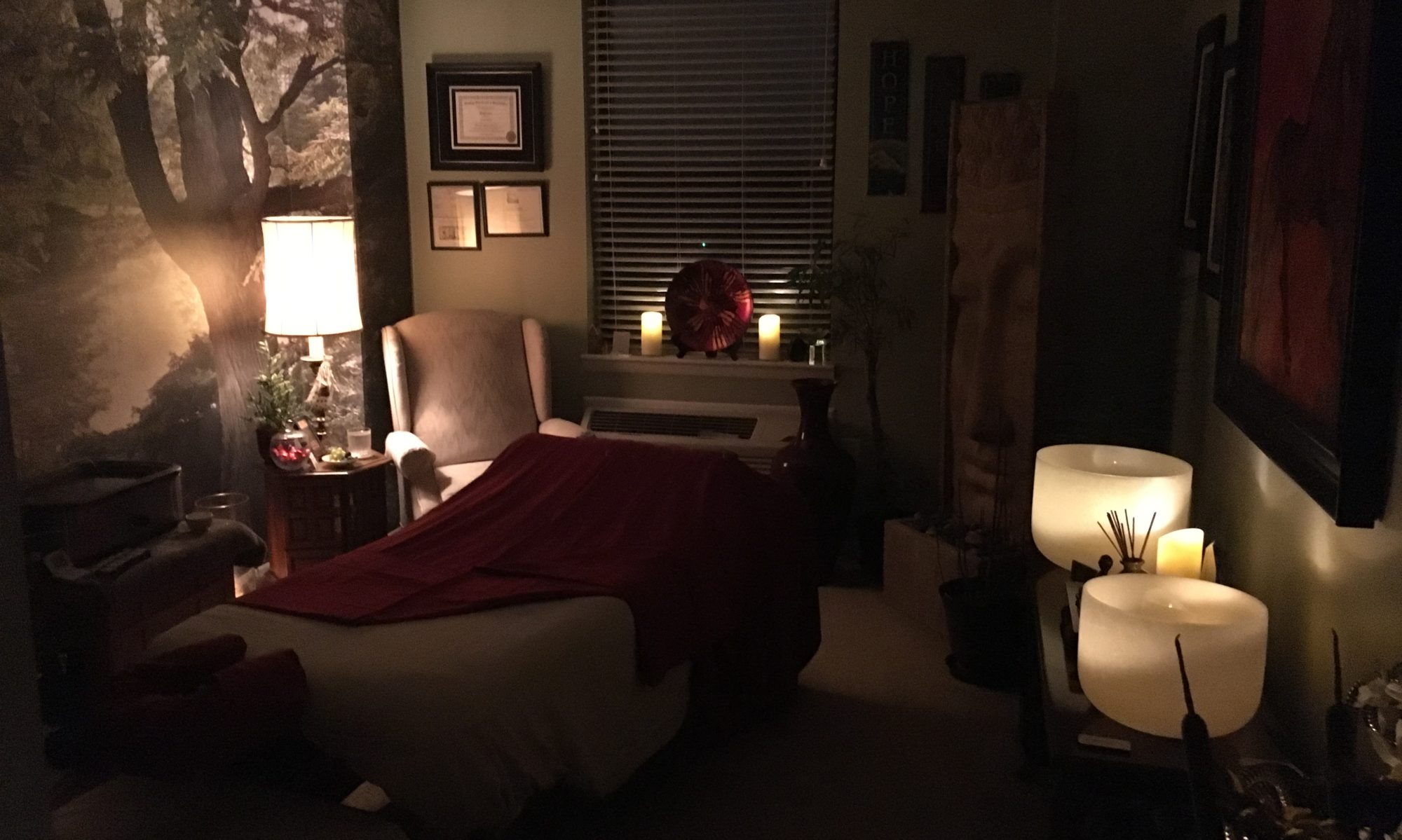

A tired body does not always know how to let go. You may feel exhausted at 9 p.m., then spend the next three hours shifting positions because your shoulders ache, your low back feels guarded, or your mind is replaying tomorrow’s to-do list. So, can massage improve sleep quality? For many people, it can be a meaningful part of a better-rest routine, especially when muscle tension, stress, pain, or a busy nervous system are keeping them awake.
Massage is not a replacement for medical care when sleep problems are severe or ongoing. But personalized bodywork can help create the physical and mental conditions that make restful sleep more likely: less discomfort, slower breathing, a calmer mood, and a body that feels safe enough to settle.
Can Massage Improve Sleep Quality by Reducing Tension?
Often, the biggest barrier to sleep is not a lack of fatigue. It is discomfort. Tight hips may pull on the low back. A desk-bound neck may throb when your head hits the pillow. Post-workout soreness can make every position feel wrong. When your body is working hard to protect a tender or restricted area, true relaxation is difficult.
Therapeutic massage can address those patterns by working with tight muscles, restricted fascia, and sensitive trigger points. Swedish massage may be a great choice when you need overall relaxation and gentle circulation support. Deep tissue massage, myofascial release, and trigger point therapy may be more useful when a specific knot, movement restriction, or recurring area of tension is disrupting your comfort.
The right approach depends on what your body needs. A very intense session can feel productive, but it is not automatically the best choice if your main goal is sleep that night. Some people feel deeply relaxed after focused work; others feel temporarily tender or energized. Tell your massage therapist that better sleep is one of your goals so the pressure, pacing, and techniques can be adjusted accordingly.
Massage and the Stress-Sleep Cycle
Stress does not stay in the mind. It shows up in clenched jaws, lifted shoulders, shallow breathing, headaches, digestive discomfort, and that familiar feeling of being tired but unable to power down. Your nervous system can stay on alert long after the workday, workout, commute, or family responsibility has ended.
A calming massage session gives you dedicated time without demands, screens, or the need to solve anything. Slow, intentional touch may encourage the body to shift away from its high-alert state and toward rest. Many clients notice that their breathing deepens during a session, their muscles stop bracing, and their thoughts become less urgent. That feeling can carry into the evening.
This is one reason massage can be especially helpful for busy Philadelphia professionals, caregivers, and active adults who are always moving from one obligation to the next. Rest is not simply a switch. Sometimes the body needs a clear signal that it is allowed to come down.
Timing matters more than people think
There is no universal “best” time for massage before bed. An evening relaxation-focused session may help some people feel ready for sleep almost immediately. Others prefer an afternoon appointment, which lets them enjoy the calm without feeling rushed and gives any post-massage tenderness time to settle.
If you are trying massage for sleep support, pay attention to your own response for a few sessions. Notice whether you fall asleep faster, wake less often, or feel more refreshed in the morning. The goal is not to chase one perfect night. It is to learn what helps your body recover consistently.
Which Massage Styles May Support Better Rest?
The best modality is the one that matches the reason you are not sleeping well. A person whose sleep is affected by general stress may need something different from an athlete with heavy legs after training or someone whose shoulder pain wakes them at 3 a.m.
Swedish massage is often a strong starting point for sleep support because it is designed to relax the whole body without overly aggressive pressure. Hot stone massage can also feel deeply soothing for people who carry broad muscular tension, especially in the back, hips, and legs.
For persistent tightness or movement restrictions, deep tissue work, myofascial release, and trigger point therapy can be valuable. These approaches should be thoughtful, not punishing. Effective therapeutic massage does not require you to grit your teeth through every minute. Good bodywork listens to your feedback and works within a pressure level your nervous system can accept.
Thai yoga massage may be helpful for active clients who feel stiff, compressed, or limited in their range of motion. Its assisted stretches and rhythmic compressions can leave the body feeling more open and mobile. Shiatsu, craniosacral bodywork, and Reiki may appeal to clients who want a quieter, restorative experience with an emphasis on relaxation and body awareness.
At Life4orceTouch, an individualized session can combine relaxation-oriented massage with targeted therapeutic techniques instead of treating every client like they need the same routine. That matters when sleep trouble is connected to your unique combination of stress, training, posture, pain, and daily habits.
What Massage Can and Cannot Do for Sleep
Massage may help you feel calmer, looser, and more physically comfortable. Those changes can support sleep quality. Still, it is not a guaranteed cure for insomnia, sleep apnea, restless legs syndrome, chronic pain conditions, depression, medication side effects, or other health concerns that affect sleep.
If you snore loudly, wake up gasping, experience frequent leg sensations that force you to move, struggle with sleep for months, or feel dangerously sleepy during the day, speak with a qualified health care professional. Massage can be a supportive part of an integrated care plan, but it should not delay evaluation of a potentially serious sleep issue.
It also helps to set realistic expectations around chronic discomfort. One session may bring immediate relief, particularly after a stressful week or hard workout. Longstanding patterns usually respond better to regular care combined with hydration, movement, stretching, strength work when appropriate, and sleep habits that protect your wind-down time.
Make the Benefits Last Beyond the Massage Table
The hour after massage is an opportunity. Do not rush straight into harsh overhead lights, work emails, intense exercise, or an argument if you can avoid it. Give your body a softer landing.
Choose a simple evening: drink water, eat a nourishing meal if needed, take a warm shower, and keep your phone away from the bed. If your therapist recommends gentle mobility work, do it slowly rather than turning it into another task to conquer. A brief walk can also help some people notice how much freer their body feels after a session.
Your bedroom environment still matters. A massage cannot fully counteract a late-night stream of notifications, excess caffeine, a too-warm room, or an inconsistent sleep schedule. Think of bodywork as one powerful piece of your recovery practice, not the only piece.
A Better Question: What Is Keeping You Awake?
Instead of asking only whether massage will make you sleep, ask what is interrupting your rest in the first place. Is it neck pain after computer work? Tight calves from running? A jaw that never unclenches? A nervous system that has been carrying too much for too long?
That answer helps guide the session. It also turns massage from an occasional treat into practical body maintenance. Regular, skillful touch can help you recognize tension before it becomes the kind of discomfort that follows you into bed.
You deserve more than collapsing into sleep from exhaustion. A thoughtful massage plan can help your body feel cared for, supported, and more prepared for genuine rest – one calmer evening at a time.