Cupping can feel wonderfully different from a typical massage. Instead of steady pressure from hands, cups create gentle suction that lifts and decompresses soft tissue. If you are wondering how to prepare for cupping, a few smart choices before your appointment can help you arrive comfortable, informed, and ready to get the most from this targeted bodywork session.
At Life4orceTouch, cupping is never a one-size-fits-all add-on. Your session should reflect what your body is dealing with that day: stubborn shoulder tension, post-workout tightness, restricted movement, stress held through the back, or simply the need to feel more open and restored. Here is how to show up prepared!
How to Prepare for Cupping: Start the Day Before
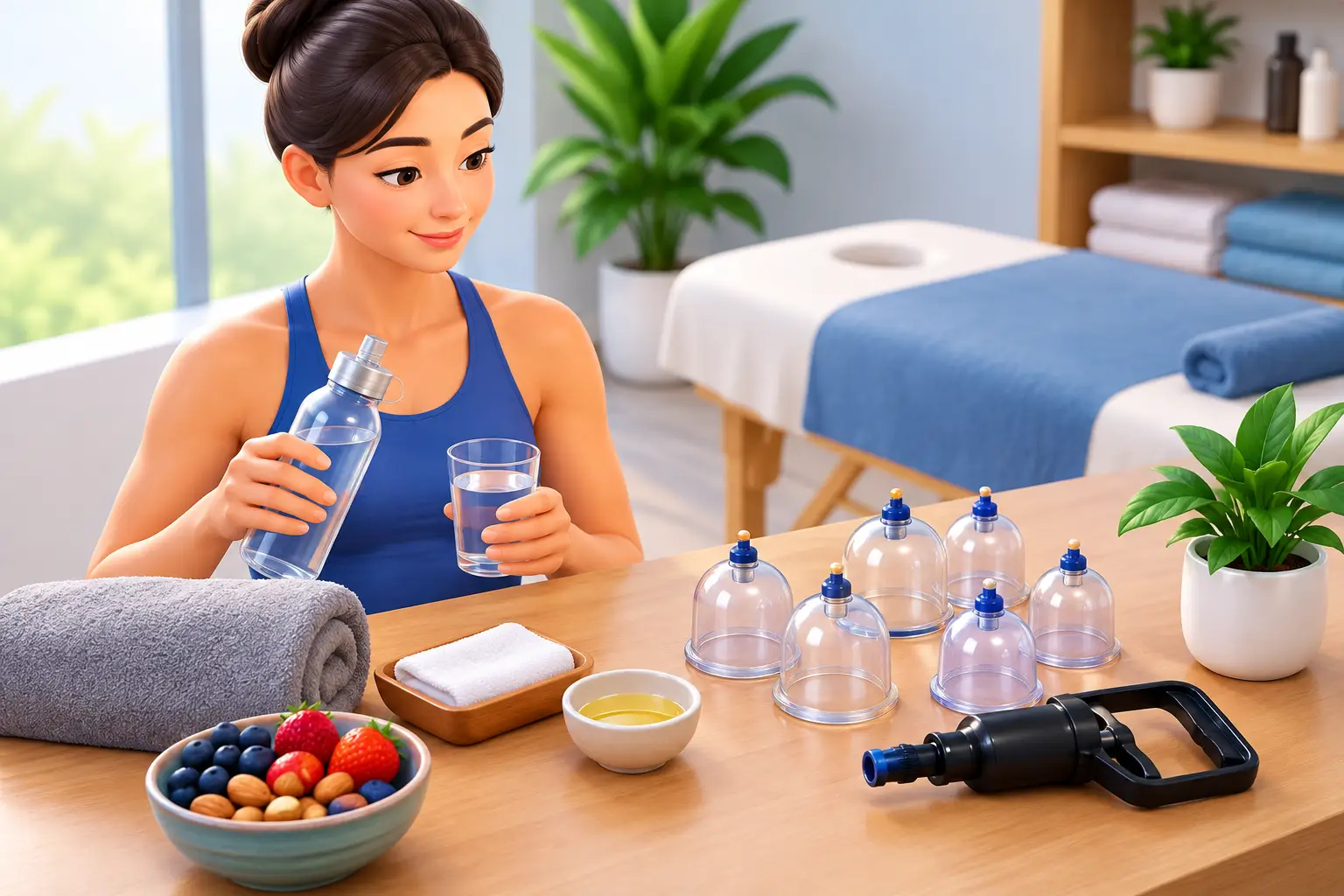
Hydration is the simplest place to begin. Drink water consistently the day before and the day of your appointment. You do not need to force gallons of water right before you walk in, but arriving well hydrated supports your overall comfort and recovery. Cupping can leave the treated area feeling tender or unusually awake, especially if you have not had it before.
Try to get a decent night of sleep, too. A well-rested nervous system generally responds better to therapeutic touch. If you have been running on coffee, deadlines, hard training, and too little rest, tell your massage therapist. That information helps shape the pace and intensity of your session.
Avoid scheduling a heavy workout immediately before cupping when possible. A light walk, mobility work, or an easy workout is usually fine. But a demanding lifting session, long run, or intense sports practice right beforehand may leave muscles already irritated or fatigued. If recovery is your main goal, cupping can be especially useful after training, but timing and pressure should match the condition of your tissues.
Alcohol is another consideration. Skip it for at least 24 hours before your appointment if you can. Alcohol can contribute to dehydration and may make it harder to accurately notice how your body feels during the session. If you are hungover, feverish, or otherwise unwell, rescheduling is the better call.
Eat Enough, but Keep It Light
Do not arrive starving. A light meal or snack one to two hours before your session can help you feel steady and relaxed, particularly if you are sensitive to bodywork or prone to lightheadedness. Think something simple with protein and carbohydrates rather than a huge, heavy meal.
A very full stomach can make lying face down uncomfortable, while no food at all can leave you distracted or shaky. It depends on your schedule and body, but the goal is simple: come in comfortably fueled, not stuffed.
Caffeine is not automatically off-limits. Still, if you know several cups of coffee make you anxious, tense, or extra sensitive to sensations, consider cutting back before a first cupping appointment. Therapeutic bodywork is a chance for your system to settle. Give it the best conditions to do that.
Wear Clothing That Makes Treatment Easy
Wear loose, comfortable clothing that you can get back into without effort after your massage. Cupping is commonly used on the back, shoulders, neck, hips, legs, and arms, depending on your goals. Your therapist will use professional draping and explain which areas are being treated, but easy-to-change clothing makes the transition simple.
You do not need special gear. A T-shirt, athletic shorts, loose pants, or comfortable underwear are all practical choices. If you are coming from work, bring a change of clothes if your business attire feels restrictive. Avoid applying heavy lotion, body oil, self-tanner, or topical pain creams to the area being treated unless you have discussed it beforehand.
If you use a medicated patch, topical medication, or skin product for a specific concern, mention it before the session. Cups should not be placed over irritated, broken, sunburned, or infected skin.
Tell Your Therapist What Is Going On
The best cupping sessions begin with an honest conversation. Share what brought you in, where you feel pain or tightness, what movements feel limited, and whether you have recently changed your workout routine, work setup, or stress level. A desk-bound professional with neck tension needs a different approach than an athlete recovering from repetitive training.
Also mention prior injuries, current medical conditions, prescription medications, and any history of easy bruising or blood-clotting concerns. If you take blood thinners, have a bleeding disorder, have active cancer treatment, have uncontrolled high blood pressure, are pregnant, or have another condition that may affect bodywork, check with your medical provider and tell your therapist before booking. Cupping may need to be modified or may not be appropriate for certain areas or situations.
This is not about making your appointment complicated. It is about delivering care that fits your actual needs. An experienced therapist can adjust cup size, suction, placement, and duration. Gentle, gliding cups create a very different experience from stationary cups placed over a dense area of tension.
Know What the Marks Mean
Cupping marks are one of the biggest reasons people hesitate, so let’s make this clear: they are common, temporary, and not the same as a painful injury bruise. The suction brings blood flow closer to the surface and can leave circular red, purple, or darker marks depending on your skin tone, tissue condition, and the intensity of the treatment.
These marks can last anywhere from a few days to around two weeks. Some people barely mark at all. Others mark more strongly, especially in areas that are very tight or have not received bodywork in a while. Darker marks do not automatically mean a better session, and the goal is never to leave the strongest possible mark.
Plan around visibility. If you have a wedding, photo shoot, beach day, presentation, or other event where you would rather not have marks on your shoulders, back, or legs, schedule your session with enough lead time. If you need cupping for relief but want to minimize visible marks, say so. Your therapist can discuss gentler options and alternate placement.
Plan a Calmer Window Afterward
You may feel lighter and more mobile after cupping, but your body may also ask for a slower pace. If possible, leave yourself some breathing room after the appointment instead of rushing directly into a grueling workout, a long commute, or a packed social evening.
Drink water, eat a nourishing meal, and notice how your body responds over the next 24 hours. Gentle movement is often helpful: walking, easy stretching, and normal daily activity can keep you from stiffening up. A hot shower is usually fine if it feels good, but avoid extreme heat, intense sauna sessions, or aggressive self-massage right away if the area feels sensitive.
Mild tenderness, warmth, or temporary fatigue can happen, especially after deeper therapeutic work. Reach out if something feels unusual or concerning. Your comfort matters, and good bodywork includes clear communication after the session as well as during it.
Bring Curiosity, Not a Tough-It-Out Mindset
Cupping should not be a contest of pain tolerance. You may feel pulling, warmth, pressure, or a strong stretching sensation, but you should always be able to communicate and relax into the work. Speak up if a cup pinches, feels too intense, or creates discomfort that makes you brace your body.
The most Amazing Invigorating Massage Ever is not necessarily the most intense one. It is the session that meets your body where it is, helps you move and breathe with more ease, and leaves you with practical support for the days ahead. Come hydrated, come honest about what you need, and let your session be part of the consistent care your hardworking body deserves!