
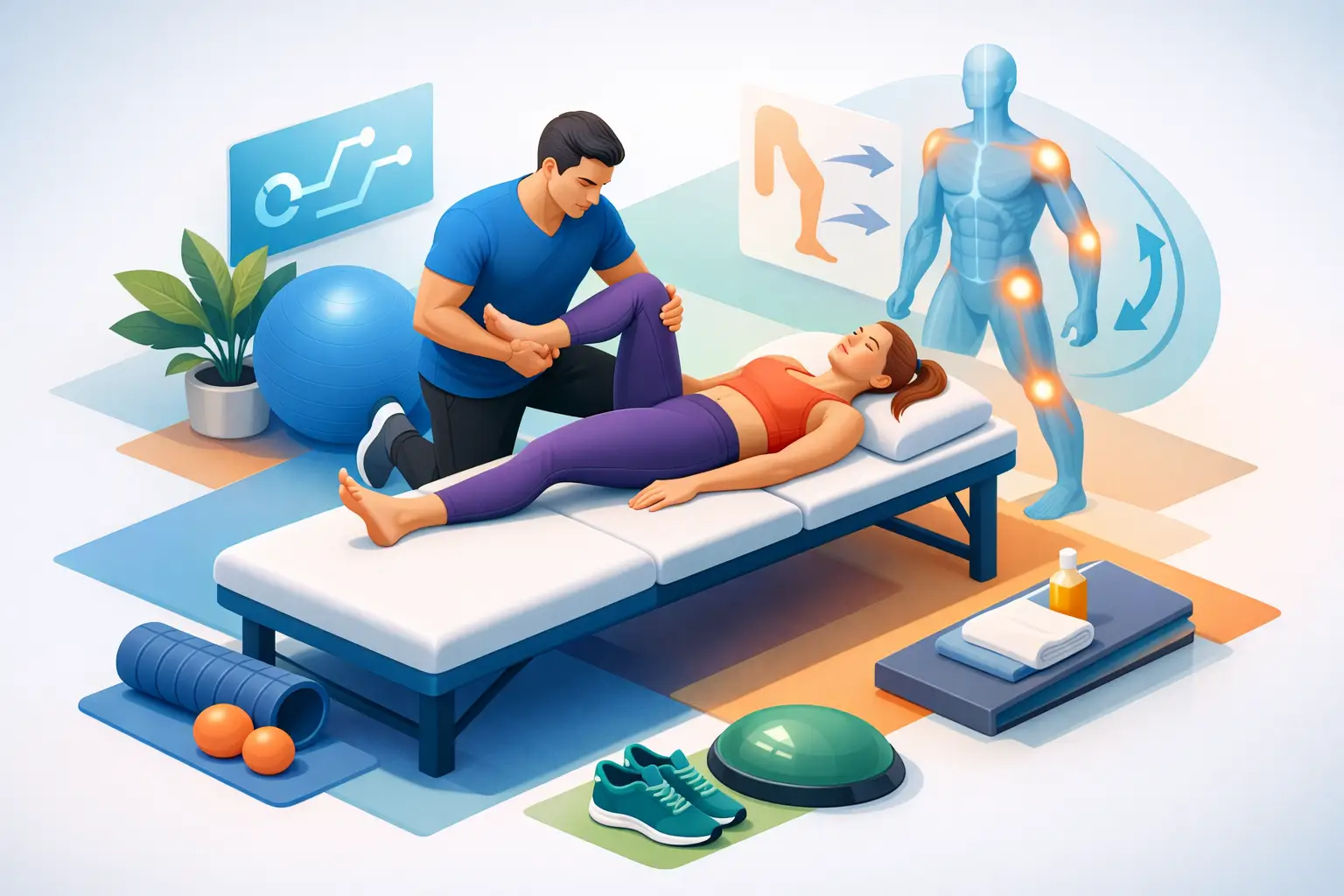
That stiff first step out of bed, the shoulder that will not reach the top shelf comfortably, the hip that complains after a long commute – these are not always signs that you need to push harder in a workout. Often, your body is asking for better support. Learning how improve mobility with bodywork starts with recognizing that freer movement is not only about flexibility. It is about how your muscles, fascia, joints, nervous system, and daily habits work together.
For busy professionals, active adults, and athletes across Philadelphia, bodywork can be a practical part of staying active. The goal is not to force a body into a bigger range of motion. It is to reduce unnecessary tension, improve body awareness, and help you move with more comfort and control!
Why mobility gets restricted in the first place
Mobility is your ability to move a joint through a useful range with strength and control. Flexibility is part of that picture, but it is not the whole picture. You may be able to stretch your hamstrings deeply yet still feel unstable in a squat, limited in a lunge, or tight when climbing stairs.
Restricted movement can develop for many reasons. Hours at a desk can leave the chest, hip flexors, forearms, and neck doing the same job all day. Repetitive training can overload familiar patterns. Stress can keep the nervous system on alert, encouraging the jaw, shoulders, back, and hips to brace even when there is no immediate threat. Old injuries may also cause you to unconsciously protect one area by changing how you walk, reach, or exercise.
That is why a one-size-fits-all massage is rarely the best answer for a mobility concern. The body needs context. Where do you feel limited? When does it show up? Does the area feel tight, painful, weak, guarded, or simply unfamiliar in certain positions? Personalized bodywork works from those questions rather than treating every tight shoulder or hip the same way.
How to improve mobility with bodywork
Skilled bodywork can help create the conditions for easier movement. Massage therapy and restorative modalities may calm an overworked nervous system, ease muscular guarding, and improve your awareness of what your body is doing. When tension drops, you may find it easier to access movement that felt blocked before.
That immediate sense of freedom feels amazing, but it is only part of the process. Lasting mobility improves when you use that new range through gentle movement, strength work, and better recovery habits. Think of bodywork as a reset and a learning opportunity, not a substitute for movement altogether.
Start with an honest movement conversation
A thorough session should begin before hands-on work. Tell your therapist what you notice in daily life: trouble turning your head while driving, a pinchy shoulder during presses, low-back tightness after standing at work, or ankles that feel stiff on stairs. Mention past surgeries, injuries, current medical care, medications, and any new or unexplained symptoms.
Your therapist can then choose an approach that fits your comfort level and goals. If you are new to massage, lighter Swedish massage may be an excellent starting point for relaxation and general tension. If you have a specific movement restriction, targeted work may be appropriate. More pressure is not automatically better. A treatment should feel productive and safe, not like something you have to endure.
Match the modality to what your body needs
Different forms of bodywork can support mobility in different ways. Deep tissue massage may help address persistent muscular tension when applied thoughtfully and gradually. Trigger point therapy can focus on sensitive, contracted areas that may refer discomfort elsewhere. Myofascial release uses sustained, attentive contact to work with restrictions in the connective tissue surrounding muscles.
Thai yoga massage can be especially valuable for clients who want assisted stretching paired with compression and rhythmic movement. Rather than aggressively pulling on a tight area, the therapist guides the body through positions while monitoring your response. Cupping may be used as another option for areas that feel congested or restricted, while shiatsu can support relaxation and body awareness through focused pressure.
The best modality depends on your history, goals, and tolerance. Someone recovering from an intense training block may need calming, restorative work. Someone who spends every day at a computer may benefit from attention to the chest, upper back, neck, forearms, and breathing mechanics. A therapist may combine techniques in one session because bodies do not come with only one problem at a time!
Let your nervous system participate
A body that feels threatened will often protect itself by tightening up. This is one reason why painful, forceful work does not always produce better results. Slow breathing, clear communication, warmth, and a sense of safety can help your system downshift enough to accept movement more easily.
During your session, breathe normally and speak up. Ask for less pressure if you are bracing, holding your breath, or feeling sharp pain. Mild tenderness can happen with therapeutic work, but you should not feel injured by your appointment. The goal is to leave with useful feedback from your body, not to win a toughness contest.
Move soon after your session
After bodywork, take advantage of the window when movement may feel easier. A five- to ten-minute walk, gentle shoulder circles, controlled hip rotations, or easy ankle mobility can help your brain recognize that the new range is safe to use. Keep it simple. You do not need an intense workout immediately after a session.
For example, if your hips felt restricted before treatment, try a few slow bodyweight squats while holding onto a counter or chair. Notice whether you can keep both feet grounded and breathe comfortably. If your upper back and shoulders received attention, practice reaching overhead with relaxed ribs instead of forcing your arms higher.
Avoid treating post-session relief as permission to overdo it. A hard workout, heavy lifting, or aggressive stretching can be too much for some people, especially after focused deep tissue work. Hydrate, eat normally, and give yourself a chance to notice how your body responds over the next day or two.
Build mobility between appointments
Bodywork is most effective when it supports the life you are already living. A monthly massage may feel wonderful, but the effects can fade quickly if you return to ten-hour workdays without breaks, training without recovery, or sleep that never allows your system to settle.
Choose small habits you can repeat. Stand up and walk for a few minutes during long work blocks. Change positions instead of searching for one perfect posture. Include controlled strength exercises in ranges you want to keep, such as split squats for hip mobility, rows for the upper back, or calf raises for ankle function. Gentle stretching can help, especially after movement, but do not chase a stretch sensation at every turn.
Consistency matters more than dramatic effort. Two minutes of intentional movement several times a day may do more for your comfort than one punishing flexibility session on Sunday. Your therapist can also suggest simple self-care ideas based on what they observe, whether that is a breathing drill, a recovery routine, or a more realistic training schedule.
When bodywork is not the only answer
Therapeutic massage can be a powerful complement to exercise, physical therapy, chiropractic care, and medical treatment. It is not a diagnosis or a replacement for care when something serious is happening. Seek medical evaluation for sudden severe pain, numbness or tingling that persists, significant swelling, unexplained weakness, fever, loss of balance, or pain following a fall or accident.
It also helps to be realistic about chronic conditions. Arthritis, hypermobility, disc issues, and old injuries may require a more careful, ongoing plan. Progress might mean walking longer with less discomfort, recovering more comfortably after workouts, or reaching overhead with better control – not achieving an extreme range of motion. Those are meaningful wins.
At Life4orceTouch, individualized massage and restorative bodywork are designed to meet you where you are, whether you need stress relief, athletic recovery, or support for stubborn everyday tightness. A thoughtful session can help you reconnect with a body that feels capable, supported, and ready for the life you want to live. Listen closely to what changes after your next session, then give that easier movement somewhere useful to go.