
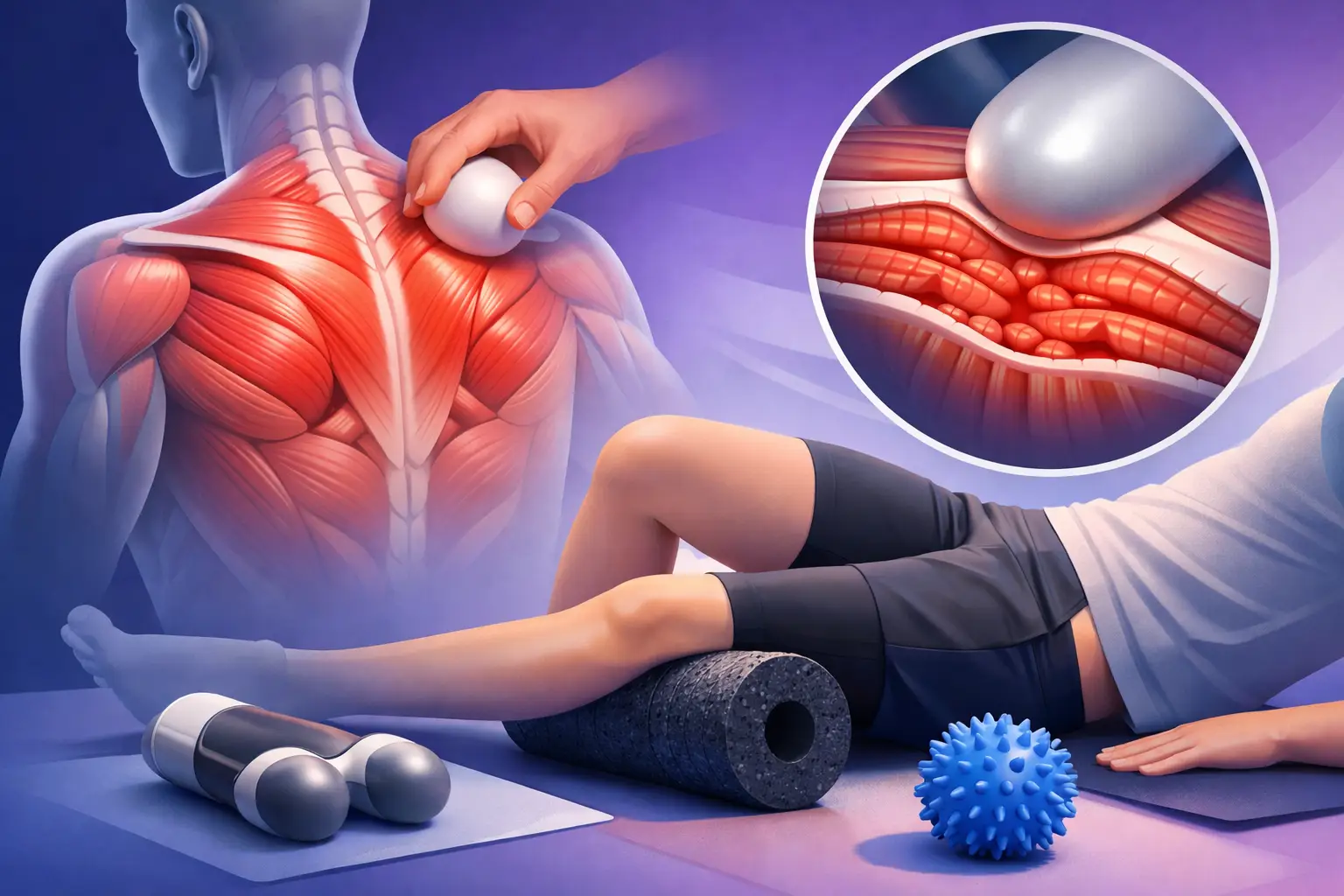
That familiar tight spot between your shoulder blades, the hip that feels stuck after sitting all day, or the calf that never quite loosens after a workout can make ordinary movement feel like work. Myofascial release for tight muscles offers a focused, hands-on way to address those stubborn areas while helping your whole body settle into easier movement.
At Life4orceTouch, bodywork is never a one-size-fits-all spa routine. Your session can be shaped around what your body is telling you: long workdays, hard training, old patterns of tension, stress, limited range of motion, or simply the need to feel cared for and reconnected. The goal is not to force your body into relaxation. It is to create the conditions where it can let go.
What fascia has to do with feeling tight
Fascia is a web of connective tissue that surrounds and supports muscles, nerves, blood vessels, and organs. Think of it less as one isolated body part and more as a body-wide network. When you bend, reach, walk, or squat, muscles and fascia work together to help those movements happen.
Tightness is not always just a short muscle. It may also involve how you move, how long you stay in one position, how much recovery you get, stress levels, hydration, sleep, previous injuries, and the sensitivity of your nervous system. That is why a sore shoulder can sometimes be connected to chest tension, neck strain, or the way you use your arm at a desk.
Myofascial work uses sustained, attentive contact to explore areas that feel restricted, tender, or less mobile. The practitioner may use slow pressure, gentle stretching, broad holds, or work that follows the tissue rather than pushing aggressively against it. It can feel very different from a fast, general massage stroke.
How myofascial release for tight muscles works
A skilled session begins with listening. You may talk about where you feel tight, what movements bother you, what your workouts or workday look like, and what kind of pressure feels productive. The therapist also pays attention to your posture, comfort, breathing, and how your tissues respond during the session.
Then comes the hands-on work. Rather than chasing discomfort with maximum pressure, myofascial release often asks for patience. A therapist may apply steady pressure to a restricted area and wait for the tissue to soften or for your body to stop guarding. You may be invited to breathe, move a limb slowly, or simply notice changes in sensation.
Some clients feel a gradual melting, warmth, or easier motion. Others notice that an area feels tender at first but lighter afterward. Results vary, especially when tightness has been building for months or years. One session may bring meaningful relief, but repeated care paired with better recovery habits is often more helpful for persistent patterns.
The popular idea that bodywork must painfully break up knots or adhesions is too simplistic. Deep pressure can be useful for some people, but more pressure is not automatically better pressure. A good therapeutic massage respects your nervous system, your goals, and your feedback. Productive work can be strong without making you brace against the table.
When this approach may feel especially helpful
Myofascial release can be a smart choice when your body feels restricted rather than simply tired. You may notice that one side does not rotate as freely, your hips feel bound after commuting, or a particular area keeps tightening again after exercise. It can also complement relaxation-focused massage when stress is showing up in your jaw, neck, shoulders, low back, or breathing.
Active adults often seek this work after lifting, running, cycling, dancing, or long stretches of repetitive training. Working professionals may choose it because hours at a laptop leave their chest, forearms, hips, and upper back feeling compressed. For some people, the biggest benefit is not athletic performance at all. It is being able to turn their head while driving, reach a shelf without hesitation, or get through a day without constantly adjusting their posture.
It depends on the situation. If your goal is full-body relaxation, Swedish massage or hot stone massage may be the better fit. If you have a very specific tender referral pattern, trigger point therapy may be added. Deep tissue massage can also be useful, but it should be applied thoughtfully, not treated as a test of toughness. An integrative session gives your therapist room to choose what fits your body that day.
What to expect during and after a session
Wear clothing that allows you to move comfortably, and arrive ready to share what has been going on in your body. You do not need to know the perfect anatomical name for every sore spot. Describing when you feel it, what makes it worse, and what you want to do more comfortably is plenty helpful.
During the session, speak up early if pressure feels sharp, electric, numb, or overwhelming. Therapeutic bodywork should be collaborative. You can ask for more pressure, less pressure, extra focus on one area, or a quieter, more relaxation-centered experience.
Afterward, you may feel looser immediately, pleasantly tired, or more aware of areas that had been compensating. Light movement can help you enjoy the change: an easy walk, gentle range-of-motion work, or a few unhurried stretches. Drink water because it is part of normal self-care, not because massage somehow flushes toxins from your body. Give yourself permission to notice how you feel over the next day or two instead of rushing right back into a demanding workout.
Keep relief going between appointments
A massage session can create a valuable reset, but daily life has a way of rebuilding familiar tension. The answer is not perfection. It is giving your body more frequent opportunities to move and recover.
If you sit for long periods, change positions before you feel stiff. A brief walk, a few shoulder rolls, or standing while you take a call can interrupt the same posture repeated for hours. If you train hard, schedule recovery with the same intention you give your workouts. Sleep, nourishing meals, manageable training volume, and rest days all affect how your muscles feel.
Pay attention to patterns instead of blaming your body for being tight. Does your neck tighten after stressful meetings? Do your hips complain after long drives? Does your calf keep grabbing when you increase mileage too quickly? Those observations help you and your massage therapist create a more useful plan.
When tight muscles need medical attention
Massage and bodywork can be wonderful support for everyday muscular tension, stress, and movement restrictions. They are not a substitute for medical diagnosis or emergency care. Seek prompt medical attention for sudden weakness, numbness, unexplained swelling, severe pain after an injury, chest pain, shortness of breath, fever, loss of bladder or bowel control, or pain that is rapidly worsening.
If you are managing a recent surgery, blood clotting concerns, osteoporosis, cancer treatment, pregnancy, inflammatory conditions, or a diagnosed injury, let your healthcare provider and massage therapist know. Modifications may be needed, and sometimes another type of care should come first. The right plan is the one that keeps you safe while meeting your goals.
Your body does not need to earn care by becoming unbearable first. If tight muscles are making movement smaller, workouts less enjoyable, or rest harder to find, a personalized myofascial release session may be the supportive reset you have been looking for. Choose a local practitioner who listens, communicates clearly, and treats your comfort as part of the work. Then give yourself the same patience you would offer anyone else who needs to feel better.