
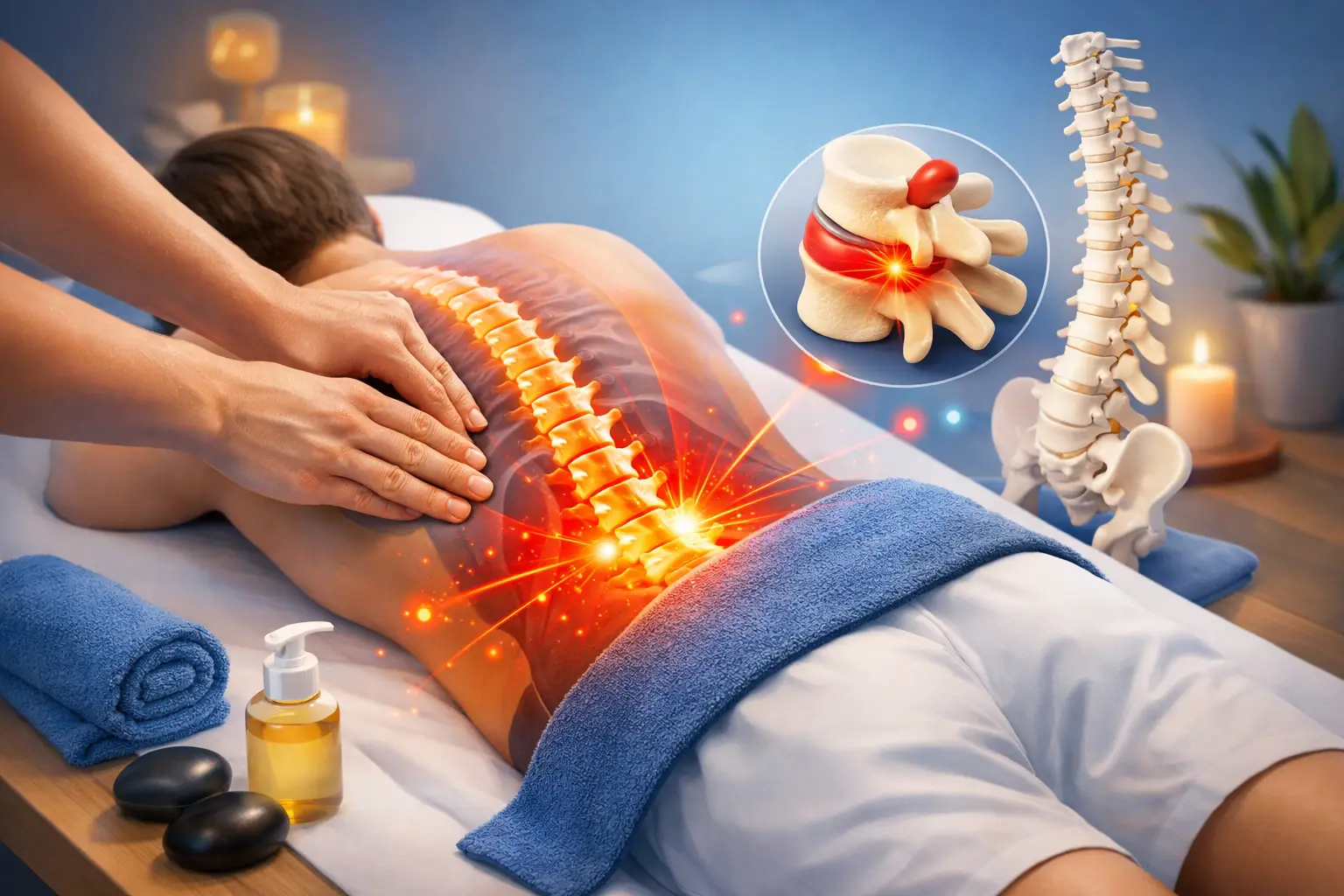
That sore, tight spot along your low back is rarely just one spot. It may be connected to long hours at a desk, a demanding workout, stress held in your shoulders, old movement habits, or muscles that have been working overtime to compensate for another restriction. Deep tissue massage for back pain can be a powerful way to address those patterns with focused, hands-on care that goes beyond a quick rubdown.
For many people, back pain is not about needing the strongest pressure possible. It is about finding the right pressure, the right areas to treat, and the right pace for the body on that particular day. A skilled therapeutic massage can help decrease muscular guarding, restore more comfortable movement, and give you a much-needed reset!
What Deep Tissue Massage Actually Does
Deep tissue massage uses slow, intentional strokes and sustained pressure to work with deeper layers of muscle and connective tissue. The goal is not to force muscles to release. It is to encourage tense, overworked tissue to soften while helping the nervous system recognize that it can let go of protective holding.
When back muscles stay contracted for days or weeks, they can feel hard, achy, and limited. You may notice pain when getting out of bed, turning to check traffic, reaching for something overhead, or standing after a long meeting. Deep tissue work may help improve circulation in the area and reduce the feeling of stiffness that makes everyday movement frustrating.
A thoughtful session also looks beyond the exact place that hurts. Low-back discomfort, for example, can be influenced by tight glutes, hip flexors, hamstrings, quadratus lumborum muscles, or tension through the mid-back. Upper-back pain may be tied to the chest, neck, shoulders, and the way you use a laptop or phone. That whole-body perspective is where individualized bodywork shines.
When Deep Tissue Massage for Back Pain May Help
Deep tissue work can be especially useful when your pain feels muscular: dull aching, tight bands, soreness after activity, restricted range of motion, or a familiar knot that keeps returning. It is often a strong fit for active adults, gym-goers, runners, cyclists, people with physical jobs, and professionals who spend much of the day sitting.
It can also support recovery when stress has your body locked into a tense posture. Stress does not stay in the mind alone. It can show up as raised shoulders, shallow breathing, clenched glutes, a rigid low back, and a body that never quite feels off duty. Targeted massage paired with slower breathing and intentional relaxation can make a real difference in how your back feels and moves.
That said, deep tissue massage is not the best choice for every type of back pain. Sharp pain, pain after a major fall or accident, unexplained weakness, numbness, tingling that travels down a leg, fever, or changes in bladder or bowel control need prompt medical attention. Massage should complement appropriate medical care, not replace it.
Even with common muscle tension, the right approach depends on your history. If you have a recent injury, spinal condition, osteoporosis, blood-clot concerns, are taking blood thinners, or are recovering from surgery, tell your practitioner before the session. A lighter approach, Swedish massage, myofascial release, or another modality may be more appropriate.
Firm Pressure Is Not the Same as Effective Pressure
There is a popular idea that deep tissue massage has to hurt to work. It does not. Productive pressure may feel intense, especially around a stubborn trigger point or chronically tight muscle, but it should remain manageable. You should be able to breathe normally and communicate clearly throughout the treatment.
If you are bracing, holding your breath, or feeling a sharp, electric, burning sensation, the pressure is too much. Overly aggressive work can leave the body more guarded and sore, which is the opposite of what you came in for. Great therapeutic massage is responsive, not performative.
At Life4orceTouch, a session can combine deep tissue techniques with myofascial release, trigger point therapy, stretching, cupping, Thai yoga massage, or soothing Swedish strokes when your body needs a more balanced approach. The treatment should match your goals, sensitivity, activity level, and current condition – not follow a one-size-fits-all routine.
What to Expect During Your Session
A quality back-pain massage starts with a conversation. Share where you feel discomfort, what makes it better or worse, how long it has been happening, and whether the pain affects sleep, work, exercise, or daily tasks. Mention past injuries, medical conditions, and treatments you have already tried. These details help guide the work safely and effectively.
Your practitioner may assess how you move, where you feel restricted, and which surrounding muscles appear to be contributing. The session may include work on the back itself, but also on the hips, glutes, legs, shoulders, chest, or neck. That can be surprising at first, yet the body works as an interconnected system.
During treatment, speak up. Ask for more or less pressure. Let your therapist know if a technique feels especially helpful or if something does not feel right. Massage is collaborative care. The more clearly you communicate, the more personalized the session can become.
Afterward, you may feel lighter, looser, and more mobile right away. Some people feel tender for a day, particularly after work on long-standing tension. Gentle walking, normal hydration, restful sleep, and avoiding a sudden high-intensity workout can help your body settle into the changes.
Make the Relief Last Between Appointments
Massage works best as part of a realistic body-maintenance routine. If your work setup, training schedule, stress load, or sleep habits keep feeding the same tension pattern, one session may bring relief without fully changing the pattern. Consistency matters, especially with chronic tightness.
Between sessions, choose movement you can repeat. A few easy walks, regular position changes during work, gentle hip and chest mobility, and a short wind-down routine can all support your back. You do not need an elaborate program to care for your body. You need habits that fit your actual life.
Pay attention to what your back is telling you, too. Does it tighten after sitting? After carrying bags on one side? Following a particular workout? Those clues can help you and your massage therapist create a more useful plan instead of chasing the same pain week after week.
A Better Standard for Back Care
Back pain can make even small tasks feel like a big deal. Getting dressed, driving across Philadelphia, lifting groceries, or trying to relax on the couch should not require a negotiation with your body. Targeted massage can offer both immediate comfort and a practical path toward better movement when muscular tension is part of the problem.
You deserve care that listens closely, works thoughtfully, and leaves you feeling supported rather than pushed past your limits. If your back has been asking for attention, give it the skilled, personalized care it has been waiting for – then carry that easier movement into the rest of your week!