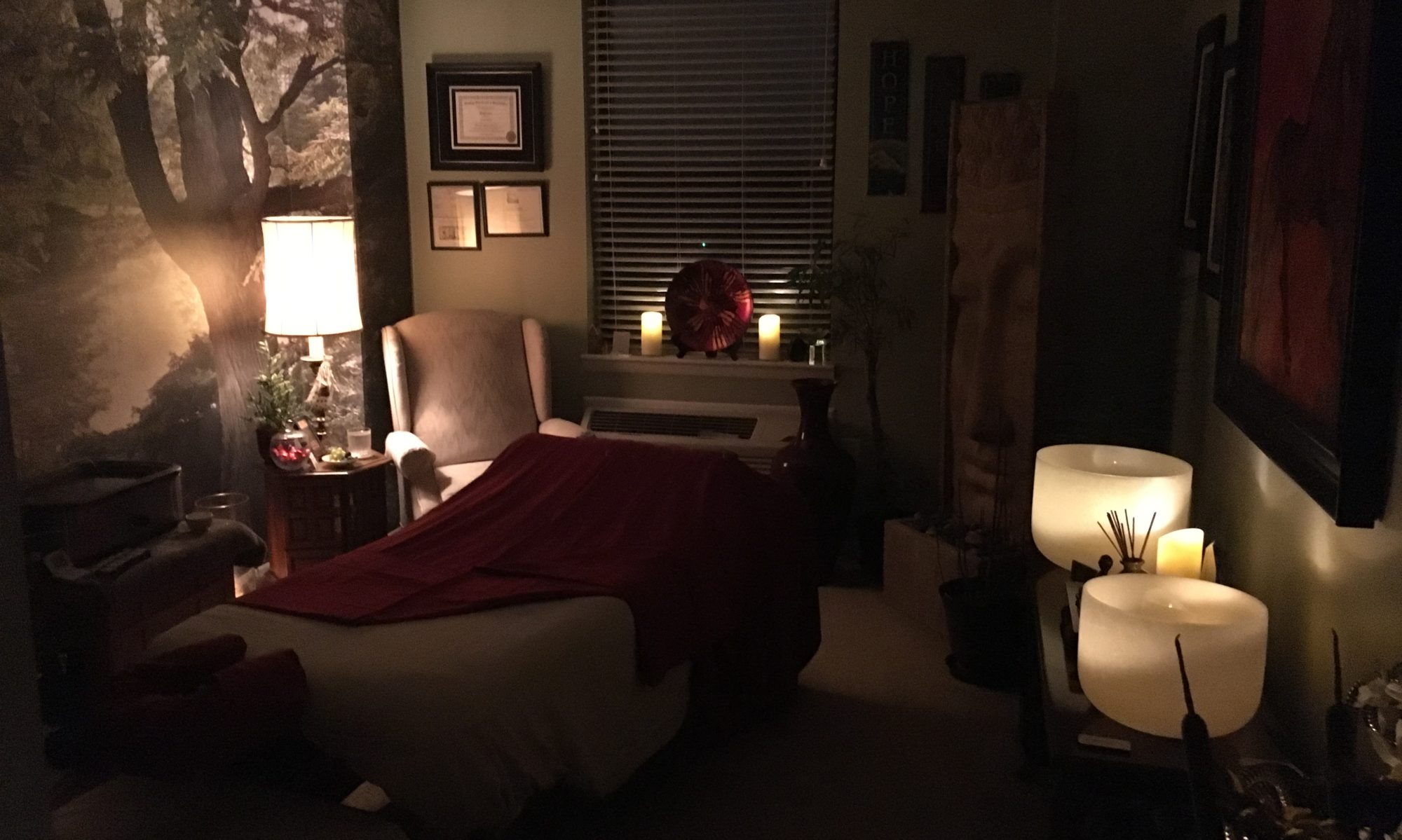

A great massage should not leave you wondering why that one tight shoulder still feels exactly the same. When people search for the best massage in West Philadelphia, they are often looking for more than a quiet room and a pleasant hour away from email. They want relief from daily stress, workout soreness, stiff hips, nagging neck tension, limited movement, or the feeling that their body has been carrying too much for too long.
The right session can absolutely feel relaxing. It can also be focused, intentional, and built around what your body needs right now. That difference matters whether you are new to massage, training hard, working long hours at a desk, or trying to manage recurring discomfort without making your wellness routine more complicated.
What Makes the Best Massage in West Philadelphia?
There is no single massage style that works best for every person. A gentle Swedish massage can be the perfect fit after a stressful week, while someone with persistent muscle tightness may need deeper work, myofascial release, trigger point therapy, or a combination of approaches. The best massage is not the one with the most pressure. It is the one that meets your goals safely and thoughtfully.
Look for a therapist who asks questions before beginning. Where are you feeling discomfort? Has it been there for days or years? Does it affect sleep, exercise, work, or your range of motion? Have you had an injury, surgery, or a medical condition that should shape the session? A personalized intake is the starting point for bodywork that feels purposeful rather than generic.
Experience matters, but so does range. A practitioner with multiple therapeutic tools can adjust the session instead of forcing every concern into the same routine. Your body may need soothing work in one area and targeted work in another. That is not overcomplicating massage. It is paying attention.
Start With the Result You Want
Before booking, get clear about what you want to feel differently when you leave. You do not need to know the name of the perfect modality. You simply need to describe your experience honestly.
If your main goal is to decompress, sleep more comfortably, and let your nervous system settle, Swedish massage, hot stone massage, Reiki, craniosacral bodywork, or calming reflexology may be a strong fit. These sessions can create a deeply restorative reset without the intensity some people associate with therapeutic massage.
If your goal is better movement or relief from stubborn tightness, deeper therapeutic options may make more sense. Deep tissue massage can address persistent muscular tension. Myofascial release focuses on restrictions in connective tissue that may contribute to a pulling, stuck, or limited feeling. Trigger point therapy can be helpful when a concentrated knot seems to refer discomfort into another area, such as neck tension that travels toward the head or shoulder.
Athletes and active adults often benefit from a mixed approach. Sore calves, overworked glutes, tight hamstrings, and restricted shoulders do not always need the same kind of pressure. Cupping, Thai yoga massage, stretching, focused deep tissue work, and reflexology can be combined according to your training load, recovery needs, and comfort level.
The trade-off is simple: deeper is not automatically better. Excessive pressure can leave you bracing against the work instead of receiving it. Effective therapeutic bodywork should feel productive, not punishing. Speak up about pressure, temperature, comfort, and tender areas. A skilled therapist will adjust.
Choose a Massage Practice With More Than One Tool
A massage menu is not just a list of extras. It tells you whether a practice can meet different bodies and changing needs. Your ideal session may be a classic relaxation massage this month and a more targeted combination next month after a long drive, a new fitness routine, or a demanding work stretch.
At Life4orceTouch, individualized care can include Swedish massage, deep tissue massage, myofascial release, trigger point therapy, cupping, Thai yoga massage, Thai reflexology, hot stone massage, shiatsu, Reiki, craniosacral bodywork, body scrubs, and foot detox services. That breadth gives clients room to choose an experience that supports both immediate comfort and ongoing body maintenance.
For example, Thai yoga massage may appeal to someone who feels stiff and wants assisted stretching along with hands-on bodywork. Shiatsu uses pressure techniques that can feel grounding and energizing. Hot stones can help warm tense tissue for clients who prefer heat and comfort. A body scrub may be a welcome addition when the goal is full-body renewal rather than targeted muscular work.
You do not need every modality in one appointment. In fact, the most effective session is often the one that stays focused. A therapist should explain what they recommend and why, then keep your feedback at the center of the plan.
Questions Worth Asking Before You Book
A good massage provider should make it easy to understand what they offer and who they serve. Ask whether sessions are customized, what modalities are available, and whether the therapist regularly works with clients managing chronic tightness, mobility concerns, athletic recovery, or stress-related tension.
It is also reasonable to ask how they handle pressure preferences and whether they can adapt if a technique does not feel right. Massage is collaborative. You should never feel obligated to tolerate discomfort because you think that is what therapeutic work is supposed to be.
If you are pregnant, recently had surgery, take blood-thinning medication, have a skin condition, or are managing a serious health concern, share that information before your appointment. Massage can be a valuable part of an integrated wellness routine, but certain techniques may need to be modified or postponed. For sudden severe pain, numbness, swelling, fever, or a new unexplained symptom, seek medical guidance first.
Get More From Your First Appointment
Arrive with a simple, honest description of what has been going on in your body. Mention the places that hurt, but also mention what makes them worse or better. Does your back tighten after sitting? Do your shoulders rise toward your ears during stressful calls? Does one hip feel restricted when you run, squat, or climb stairs? Those details help shape smarter bodywork.
During the session, keep communicating. A quick comment like “that spot feels too sharp” or “I would like more work around my right shoulder blade” can transform the experience. There is no prize for staying silent through a technique that is not serving you.
Afterward, give yourself a little room to notice the results. Drink water, move gently, and avoid judging the entire session in the first five minutes. Some clients feel immediate lightness; others recognize changes in sleep, movement, or stress levels later that day or the next morning. If a particular approach helped, schedule with that information in mind. Consistency can be more meaningful than waiting until tension becomes unbearable.
Keep Your Wellness Dollars in the Neighborhood
West Philadelphia thrives when neighbors support neighborhood businesses. Choosing a local massage practice means more than convenience. It can mean building a relationship with a practitioner who learns your goals, notices your progress, and can adapt your care over time.
Consider making massage part of your regular self-care plan instead of treating it as an emergency measure. Package savings, referral incentives, seasonal promotions, birthday offers, and gift cards can make ongoing care more accessible while giving you a practical way to share wellness with someone you care about.
Your body works hard for you every day. Give it care that feels personal, knowledgeable, and genuinely restorative. The next time your shoulders feel heavy, your movement feels restricted, or your stress has settled into your muscles, choose a session that meets you where you are and helps you leave feeling more like yourself!