
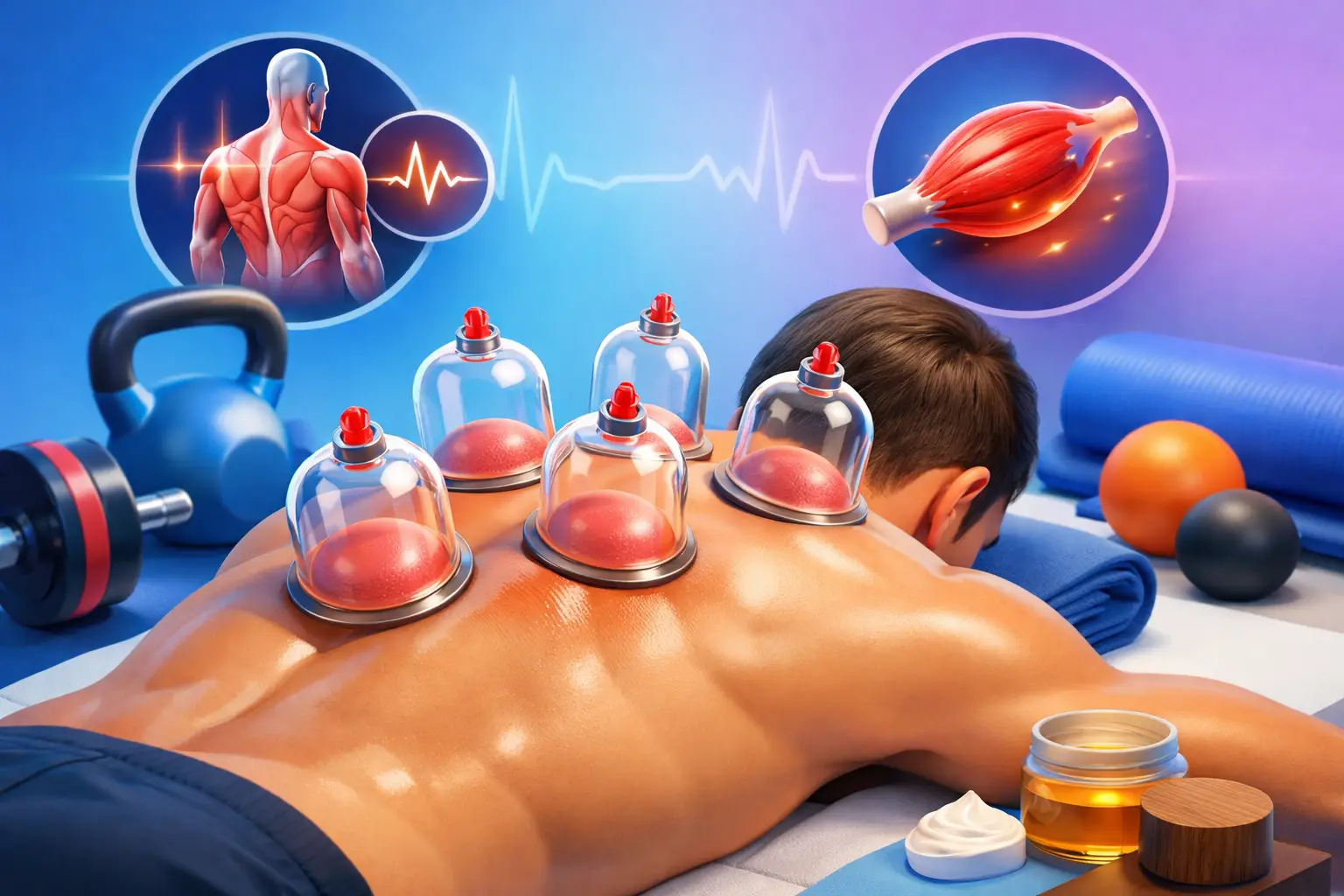
A hard workout, a long shift on your feet, or hours hunched over a laptop can leave muscles feeling heavy, bound up, and slow to respond. Cupping therapy for muscle recovery is one hands-on option people choose when stretching, rest, and a standard massage alone are not giving them the relief they want. It is not a magic shortcut, but when used thoughtfully, it can be a powerful part of a personalized recovery plan.
At Life4orceTouch, recovery work is never one-size-fits-all. Some clients need focused work around overworked shoulders and upper back muscles. Others need attention for tight calves after running, stiff hips after strength training, or lingering tension from the everyday demands of work and life. Cupping can help create a different kind of sensation and movement in soft tissue, while massage and other therapeutic approaches address the full picture.
What Cupping Therapy Does for Tired Muscles
Cupping uses smooth cups placed on the skin to create gentle suction. Rather than pressing down into the body like traditional massage, the cups lift the skin and superficial tissues upward. A practitioner may leave cups still for a short time or glide them slowly across an area using lotion or oil.
That difference in pressure is why many people find cupping so interesting. Deep tissue massage can be very effective, but sometimes an already tender muscle does not need more direct compression. Cupping offers an alternative form of manual therapy that may help tissues feel less restricted and easier to move.
Clients often describe the feeling as a strong pulling or stretching sensation. It should not feel sharp, alarming, or unbearable. Good bodywork is collaborative. Your practitioner should check in, adjust the suction, and choose the placement and duration based on your comfort, goals, and health history.
The circular marks associated with cupping are also worth understanding. They are not bruises in the usual sense of a blunt impact injury. They are temporary discolorations that can occur as the suction affects superficial blood flow and tissue response. Marks vary considerably from person to person, and they may last a few days or, occasionally, longer. They are not a scorecard for how effective a session was.
Cupping Therapy for Muscle Recovery After Exercise
For active adults, recovery is about more than reducing soreness. It is about returning to comfortable movement, maintaining training consistency, and noticing small restrictions before they become a bigger problem. Cupping may be useful after a demanding workout, during a lighter recovery week, or when a particular area feels stuck and guarded.
A runner might feel that their calves and hamstrings never quite loosen after mileage increases. A weightlifter may notice a tight, pulling sensation around the chest, shoulders, or lats that affects overhead motion. A desk-bound professional who also exercises may have a blend of training fatigue and posture-related upper-back tension. Those situations call for different decisions about where to work, how deeply to work, and whether cupping is even the best choice that day.
The research on cupping is still developing. Some studies suggest it may help with pain and range of motion for certain musculoskeletal concerns, while evidence is mixed and methods vary. That means it is more accurate to view cupping as a supportive recovery tool, not a cure for injuries or a replacement for medical care, physical therapy, adequate sleep, nutrition, and smart training.
Its value often comes from how it fits with other care. A session might pair targeted cupping with deep tissue massage, myofascial release, trigger point therapy, assisted stretching, or Thai yoga massage. The goal is not to throw every technique at a muscle. The goal is to choose the right combination for what your body is showing us that day.
When Cupping May Be a Good Fit
Cupping can make sense when muscles feel tight, movement feels limited, or an area seems resistant to your normal recovery routine. It can also be appealing for clients who like therapeutic work but find intense pressure uncomfortable in sensitive areas.
It may be especially helpful before an event or workout when used conservatively to support mobility, or after activity when the focus is calming down overworked tissue. Timing depends on your body and the type of activity you do. If you are preparing for a competition, photo shoot, beach trip, or anything where visible marks would be a concern, schedule carefully or choose another modality.
Many clients also appreciate cupping for chronic-feeling tension patterns. That does not mean every long-standing ache should be treated as muscle tightness. Persistent pain, numbness, weakness, swelling, unexplained symptoms, or pain following a significant injury deserves evaluation from an appropriate medical professional. Therapeutic massage can be part of integrated health care, but it should work alongside the care you need.
What a Recovery-Focused Cupping Session Feels Like
Your session should begin with a conversation, not an automatic treatment. A skilled practitioner will ask what is bothering you, what activity may have contributed, how long it has been happening, and what kind of relief you want. They may also assess how you move and feel the surrounding tissues, because the place that hurts is not always the only place that needs attention.
For example, a tight lower back may be connected to hip tension, limited glute engagement, or an overworked mid-back. A cranky shoulder may need work through the chest, upper back, neck, and arm rather than aggressive focus directly on the sore spot. This is where individualized bodywork matters.
During cupping, the intensity can range from light to quite firm. More suction is not automatically better. The right level is the one that creates a useful therapeutic sensation without leaving you bracing against the work. If cups are moved across the skin, the area may look temporarily flushed and may feel warm afterward.
After the session, you may feel looser immediately, or you may notice the change gradually over the next day or two. Some people feel pleasantly relaxed. Others feel tender, similar to the response after a deep massage or unfamiliar workout. Drink water as you normally would, give yourself a little recovery time, and pay attention to how your body responds before your next intense training session.
When to Skip Cupping or Ask First
Cupping is not appropriate for every body or every day. Avoid placing cups over open wounds, sunburn, rashes, active skin infections, or areas with significant inflammation. Tell your practitioner about medications, especially blood thinners, and about any bleeding disorders, circulation concerns, pregnancy, recent surgery, cancer treatment, fever, or serious health condition.
You should also speak up if you have a history of feeling lightheaded with bodywork or if you are concerned about the marks. A responsible session can be adapted, postponed, or switched to another approach. Swedish massage, focused myofascial work, Thai reflexology, hot stone massage, or a gentler relaxation-based session may be a better fit depending on the day.
Cupping should not be used to push through acute injury pain. If you suspect a strain, tear, stress fracture, blood clot, or other injury, get medical guidance first. Recovery is not about proving how much discomfort you can tolerate. It is about helping your body regain function with care.
Making Your Results Last Between Sessions
The best recovery plan extends beyond the massage table. Notice the habits that repeatedly load the same tissues: sitting without breaks, suddenly increasing workout volume, skipping warm-ups, carrying stress in your shoulders, or training hard without enough rest. You do not need perfection. You need better awareness and a routine you can actually sustain.
A short walk after a workday, gentle mobility work, regular meals, sleep, and alternating demanding training days with easier ones can all support what you receive in a bodywork session. If a certain pattern keeps returning, recurring massage may help you stay ahead of it instead of waiting until discomfort becomes disruptive.
West Philadelphia is full of people doing a lot – commuting, caring for family, building careers, training, creating, and showing up for their communities. Your body carries all of that. Give it skilled attention before tightness becomes the background noise you assume you have to live with. A thoughtful cupping and massage session can be a strong next step toward moving with more ease and feeling more like yourself again!