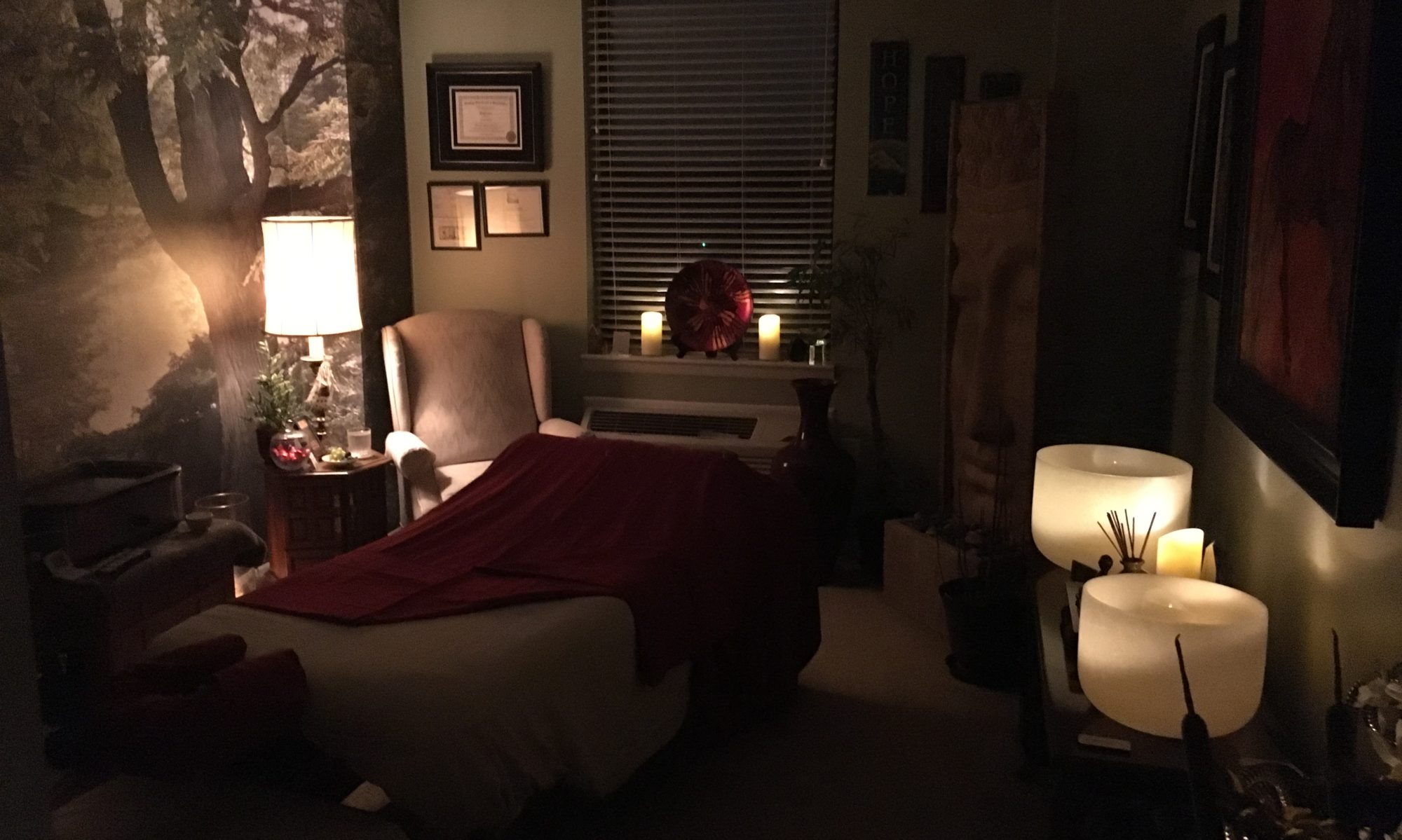

When pain has been hanging around for months or years, another forceful treatment is not always what your body wants. Sometimes the nervous system is already working overtime, muscles are guarding, sleep is poor, and even a busy mind can make physical discomfort feel louder. Craniosacral therapy for chronic pain offers a quieter, highly individualized approach that may help the body settle, release holding patterns, and feel safer in movement.
This gentle form of bodywork is not a cure-all, and it should not replace medical diagnosis or treatment. But for many people managing persistent tension, headaches, neck and back discomfort, stress-related pain, or pain that seems to flare without a clear reason, it can be a valuable part of a broader care plan.
What Craniosacral Bodywork Actually Feels Like
Craniosacral therapy uses very light, attentive touch around the head, neck, spine, sacrum, and other areas where the practitioner feels restrictions or strain patterns. Unlike deep tissue massage, the goal is not to press hard into a tight muscle. The work is slow and subtle. Many clients describe it as calming, spacious, or surprisingly powerful despite the light pressure.
The central idea is that the body has interconnected tissues and rhythms that can be affected by injury, stress, posture, emotional strain, surgery, and repetitive movement. A trained practitioner uses gentle contact to encourage relaxation and support the body’s natural ability to regulate itself.
That may sound very different from the massage many people expect. If you are used to asking for more pressure to “work out” pain, craniosacral bodywork can take a little getting used to. Yet pain is not always a sign that the body needs more intensity. Sometimes it needs less threat, less bracing, and more room to respond.
Why Chronic Pain Can Be So Stubborn
Chronic pain is rarely just one tight spot. A sore shoulder may involve workstation posture, old training injuries, shallow breathing, poor sleep, stress, jaw clenching, reduced movement, or compensation patterns from the hips and spine. The longer discomfort persists, the more the nervous system can become protective.
This does not mean pain is “all in your head.” It means the brain, nerves, muscles, connective tissue, sleep, stress level, and daily habits all influence how pain is experienced. That is why a treatment that addresses relaxation and nervous-system downshifting can be meaningful, even when it does not look like traditional muscle work.
For example, a runner with recurring low-back tightness may also be holding tension through the diaphragm, hip flexors, and jaw. A working professional with headaches may have upper-back restriction, screen-related neck strain, and a system that never gets a real chance to power down. Personalized bodywork looks at the whole pattern, not just the loudest symptom.
Craniosacral Therapy for Chronic Pain: What It May Support
Research on craniosacral therapy is still developing, and results are mixed. It should be presented honestly: some people experience meaningful relief, while others notice mostly relaxation or little change. The most helpful question is not whether one session will fix everything. It is whether gentle, skilled care could support your specific recovery process.
For the right client, craniosacral work may help reduce the sense of tension that surrounds chronic discomfort. A calmer nervous system can make it easier to sleep, breathe more fully, notice posture, and move without immediately anticipating pain. Those changes can matter in day-to-day life.
Clients often seek this approach for persistent neck and shoulder tension, stress-related headaches, jaw tightness, low-back discomfort, postural strain, fibromyalgia-related sensitivity, and lingering discomfort after an injury has been medically evaluated. It may also be useful when deeper work feels too intense or leaves you sore for days afterward.
The benefits can be subtle at first. You may notice that your shoulders sit lower, your breathing feels easier, or your usual pain flare comes on less sharply. You may feel deeply rested after the session. Relief is not always dramatic, but small improvements in comfort, sleep, and mobility can build momentum.
When Gentle Work May Be a Better Choice
Deep tissue massage, trigger point therapy, myofascial release, stretching, and movement-based work all have a place. The best choice depends on what your body is asking for that day. If your muscles feel dense and restricted after training, more focused therapeutic massage may be appropriate. If your body feels overstimulated, tender, exhausted, or guarded, gentler craniosacral work may be the wiser starting point.
It can also pair well with other care. Physical therapy may help restore strength and movement. Medical care can rule out serious causes of pain. Counseling or stress-management support may be useful when pain and anxiety are feeding each other. Craniosacral bodywork can fit alongside these services as hands-on support for rest, body awareness, and comfort.
A responsible practitioner will not tell you to stop prescribed treatment or promise to cure a complex condition. They will listen to your history, adjust pressure and positioning, and encourage medical guidance when symptoms are new, severe, unexplained, or changing.
Tell Your Practitioner the Full Story
The more context you share, the better your session can be. Mention past injuries, surgeries, migraines, concussion history, joint issues, medications, recent flare-ups, and what has or has not helped before. Also share what you need emotionally from the session. Some clients want quiet. Others want education, check-ins, and help understanding what they are feeling.
If you have a diagnosed neurological condition, a recent head injury, uncontrolled blood pressure, blood-clot concerns, fever, acute infection, or another serious health issue, ask your physician whether massage or craniosacral bodywork is appropriate. Seek prompt medical attention for chest pain, sudden weakness, loss of coordination, severe new headache, numbness, or changes in bladder or bowel control.
How to Get More From Your Sessions
Think of bodywork as part of maintenance, not a one-time rescue mission. After a session, give yourself a little breathing room if possible. Hydrate, take an easy walk, avoid jumping immediately into a stressful task, and pay attention to how your body responds over the next day or two.
Consistency often matters more than intensity. A few sessions spaced thoughtfully can give your practitioner time to understand your patterns and give you time to notice what changes. Your plan may alternate craniosacral work with deeper therapeutic massage, myofascial release, Thai yoga massage, or targeted work for areas that need more direct attention.
At Life4orceTouch, the goal is never to force your body through a standard routine. Your session should reflect your pain level, sensitivity, movement goals, stress load, and comfort with touch. That is what individualized restorative bodywork should feel like: informed, respectful, and focused on what helps you function better.
Chronic pain can make your world feel smaller. The right care will not pressure you to push through it. It will give your body a chance to soften, help you reconnect with what ease feels like, and support the small, meaningful steps that bring more comfort back into your everyday life.