A tense neck after a long day is one thing. Feeling like your whole body has been bracing for weeks is another. Hot stone massage stress relief is designed for those moments when your shoulders stay lifted, your back feels guarded, and simply lying down does not feel like enough to truly rest.
Warm stones bring a comforting, grounding quality to massage therapy, but the goal is more than temporary coziness. When used thoughtfully, heat can help prepare tight tissue for hands-on work, encourage a deeper sense of ease, and give your nervous system permission to shift out of constant go-mode. For busy West Philadelphia professionals, active adults, caregivers, and anyone carrying the physical weight of a demanding routine, that reset can feel AMAZING!
How Hot Stone Massage Stress Relief Works
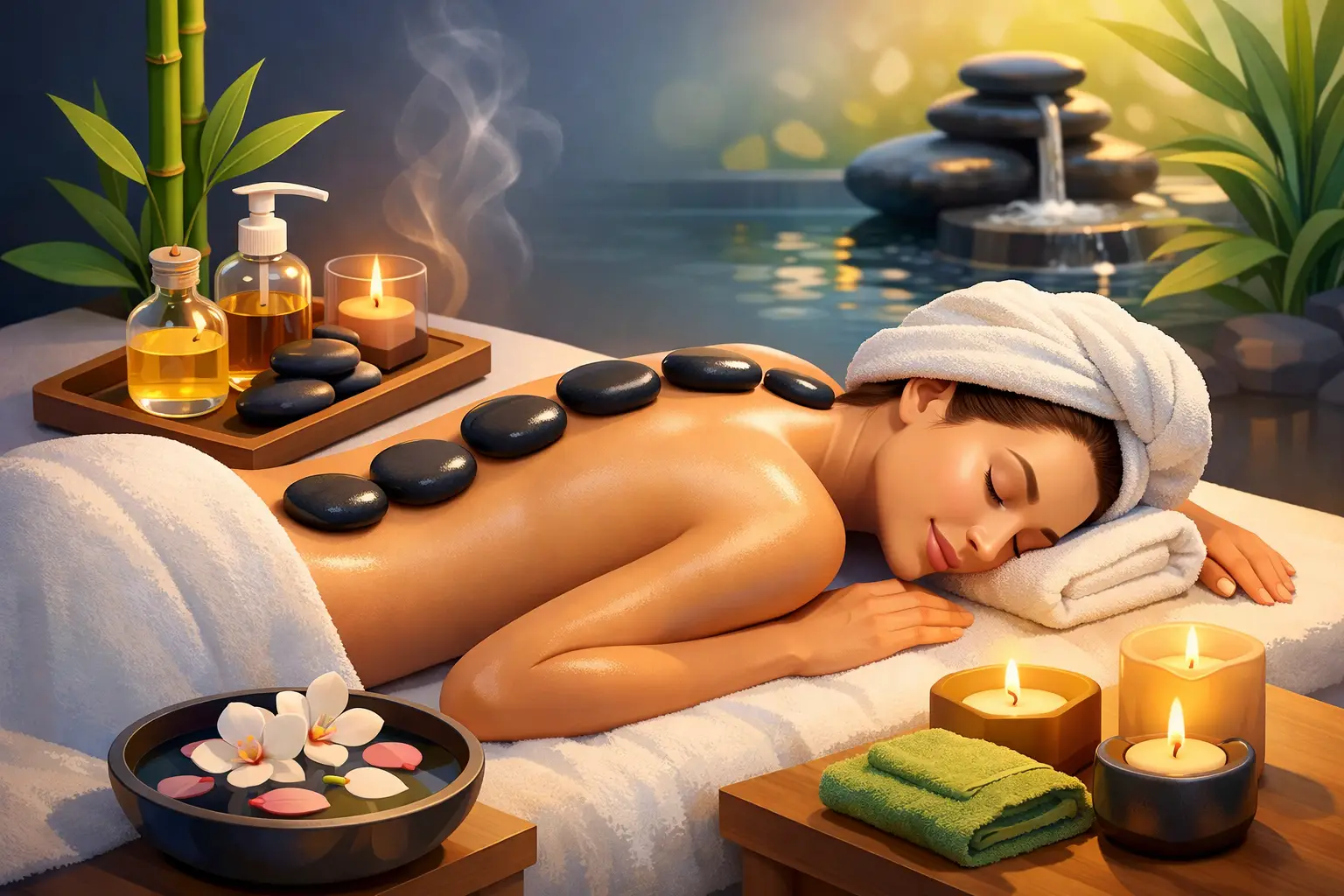
Hot stone massage uses smooth, heated stones as an extension of the therapist’s hands. The stones may be placed in strategic areas of the body or used during massage strokes across larger muscle groups such as the back, legs, arms, and shoulders. Their steady warmth reaches the surface tissues while skilled massage techniques address the places where tension tends to settle.
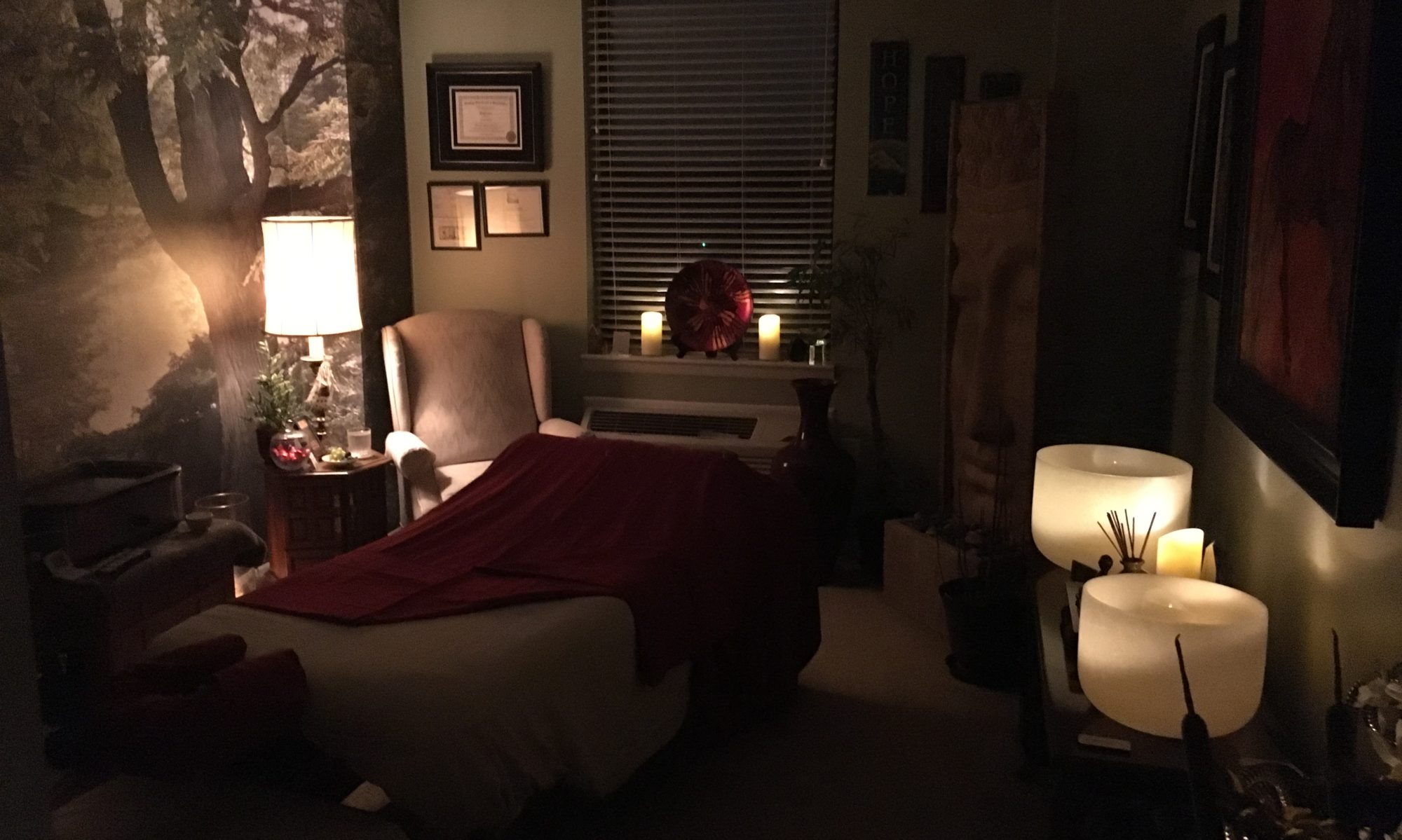
Stress is not only a thought pattern. It often shows up in the body as a clenched jaw, shallow breathing, headaches, tight hips, restless sleep, or a back that never seems to soften. A calming massage environment helps, but the combination of warmth and intentional touch can be especially effective for people whose muscles feel chronically guarded.
Heat may make the body feel more receptive to massage pressure. That means a therapist can often work with less force than would be needed on cold, resistant tissue. For clients who want relief but do not enjoy intense deep-tissue pressure, hot stone work can be a beautiful middle ground: therapeutic, soothing, and still focused on real muscular tension.
The experience also gives your attention somewhere else to go. Instead of replaying deadlines, family responsibilities, training demands, or tomorrow’s to-do list, you have a clear physical sensation to follow: warmth, pressure, release, breath. That pause matters. Your body deserves more than surviving the week.
Why Warmth Can Feel So Restorative
When the body senses warmth and safe, skilled touch, many people naturally begin to slow down. Breathing may deepen. The urge to constantly move or check a phone may fade. Muscles that have been working overtime can start to let go.
This does not mean one hot stone session erases every source of stress. No massage can remove a difficult job, an injury history, poor sleep, or the demands of caring for others. What it can do is offer a meaningful interruption to the physical stress cycle. That interruption may help you notice how much tension you were carrying and what your body feels like without it.
For some clients, the biggest benefit is emotional decompression. For others, it is physical: less stiffness through the upper back, easier movement in the shoulders, or a feeling of relief in tired legs after workouts and long shifts. Often, it is both. The best results depend on the source of your discomfort, how long it has been present, and what kind of care your body responds to.
What a Therapeutic Hot Stone Session Can Include
A personalized session should never feel like a routine being performed at you. Before beginning, your massage therapist should ask about your goals, pressure preferences, areas of pain or restriction, past injuries, activity level, and relevant health concerns. If your stress is mostly sitting in your neck and upper back, the session may focus there. If your whole body feels depleted from training, standing, or caregiving, a broader approach may make more sense.
The stones are professionally heated and carefully monitored. They should feel deeply warm, never painfully hot. Your therapist may glide them over muscle groups, hold them in place briefly, or use them alongside traditional massage strokes. Communication is always welcome. If the temperature, pressure, or positioning is not right, say so. Great bodywork is collaborative care.
At Life4orceTouch, hot stone massage can also be thoughtfully paired with other techniques when your needs call for more than relaxation alone. Swedish massage may support a full-body unwind, while focused deep tissue, myofascial release, trigger point therapy, or Thai-inspired stretching may be more appropriate for persistent tightness and movement restrictions. The point is not to pile on modalities. It is to choose the right tools for your body that day.
Who May Benefit Most
Hot stone massage can be an excellent choice for people who feel stressed and physically tight, especially when that tightness is spread across the body rather than limited to one acute problem area. It is often appealing for desk workers with rounded shoulders, active clients with sore legs and hips, people who struggle to relax during standard massage, and massage newcomers who want a gentle but satisfying introduction to therapeutic touch.
It can also be a valuable maintenance option. Waiting until pain becomes unbearable is common, but it is not the only way to approach body care. Regular massage appointments can create a check-in point for your posture, stress level, mobility, and recovery habits. For some people, monthly care is helpful. Others benefit from a more frequent schedule during a demanding season, after intense training, or while addressing long-standing muscular tension.
Still, hot stone massage is not the best fit for every situation. If you have reduced heat sensitivity, circulation concerns, certain skin conditions, an active injury, inflammation, a recent surgery, or a medical condition that affects sensation, speak with your health care provider and tell your massage therapist before booking. Pregnancy, medications, and health changes can also affect the right approach. A professional therapist will adapt the service or recommend a different modality when heat is not appropriate.
Getting More From Your Massage
The most useful thing you can do before your session is arrive with a simple intention. You do not need a perfect explanation of every ache. You can say, “My shoulders feel like they live next to my ears,” or “I have been exhausted and cannot turn my brain off.” That gives your therapist a real starting point.
Afterward, give yourself a little room to receive the work. Drink water because it supports your normal hydration, eat something nourishing if needed, and avoid rushing directly into a stressful errand when possible. Gentle movement, a warm shower, or an earlier bedtime can help you stay connected to the calm your session created.
You may feel sleepy, lighter, pleasantly loose, or aware of areas that had been numb to your attention. Mild tenderness can happen after focused massage work, particularly if you came in very tight. Strong or lasting pain is not a prize for getting a “good” massage. Let your therapist know how you feel so future sessions can be adjusted.
Relief Is Better When It Fits Your Real Life
A hot stone massage is not an escape from reality. It is a way to meet reality with a body that feels less overloaded. When your muscles are not constantly gripping, movement can feel easier. When you have had an hour of intentional care, your next decision may come from a calmer place.
You do not have to earn rest by reaching total burnout first. Make space for the kind of care that helps you feel present in your body again, and choose a local massage therapist who listens closely, works skillfully, and treats your wellbeing like the priority it is!