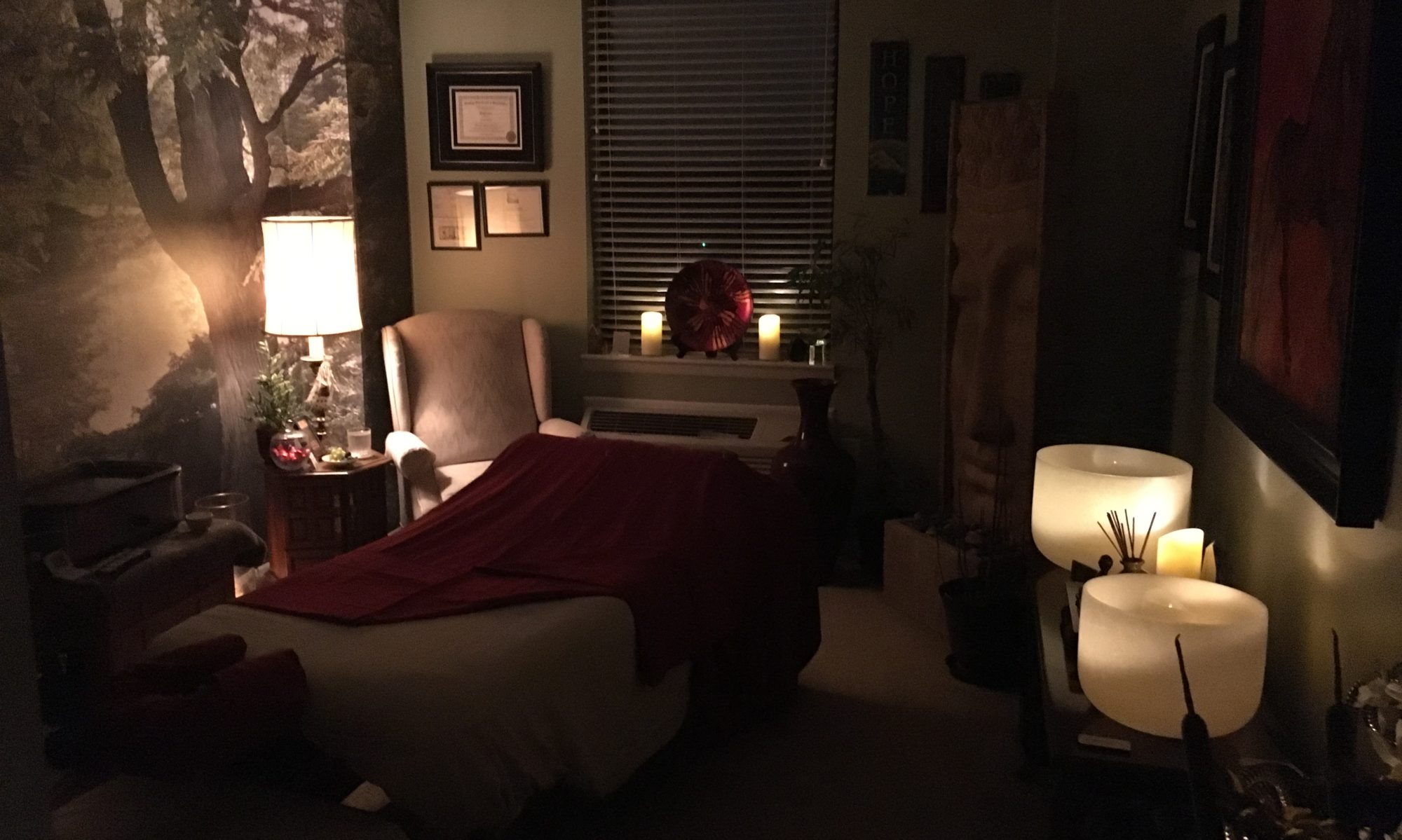

That knot between your shoulder blades is rarely just a knot. It may be the result of hours at a laptop, a demanding workout routine, a long commute, poor sleep, stress you have been carrying for weeks, or all of the above. Real pain relief is not about rushing through a standard massage and hoping you feel better for a day. It starts by listening to what your body is doing, where it is compensating, and what kind of hands-on care can help it move and rest more comfortably.
For busy people across West Philadelphia and the greater Philadelphia area, bodywork can be a meaningful part of managing everyday muscle discomfort, restricted movement, and stress-related tension. The right approach is personal. Some bodies need deep, focused work. Others need slower, gentler techniques that let the nervous system settle. Often, the most effective session blends both.
Pain Relief Is More Than a Quick Fix
Pain can change how you move long before you consciously notice it. A stiff neck can make you turn your whole body instead of your head. Tight hips can alter your stride. A sore low back can cause you to brace through ordinary activities, from loading groceries into the car to getting up from your desk.
Massage therapy and restorative bodywork can support pain relief by addressing muscular tension, sensitive trigger points, fascial restrictions, and stress patterns that may be contributing to discomfort. It is not a substitute for medical diagnosis or emergency care, and it cannot promise to resolve every condition. Sharp pain, numbness, sudden weakness, unexplained swelling, fever, or pain after a serious injury deserves prompt medical attention.
But when discomfort is connected to overuse, tight muscles, posture, training, stress, or everyday wear and tear, skilled bodywork can be a powerful addition to your care routine. Many clients also use massage alongside guidance from physicians, physical therapists, chiropractors, or other health professionals.
The Best Massage for Pain Relief Depends on the Pattern
There is no single “best” massage for pain because bodies do not arrive with identical needs. The person with sore calves after marathon training may need a very different session from the remote worker with jaw tension and headaches, or the parent whose upper back has been locked up for months.
Deep tissue massage for persistent tightness
Deep tissue massage uses slower, more deliberate pressure to work with deeper layers of muscle and connective tissue. It can be especially helpful when an area feels dense, stuck, or chronically tight. The goal is not to prove how much pressure you can tolerate. Productive work should be responsive, focused, and adjusted to your comfort level.
A little tenderness after a session can happen, particularly when tissues have been guarded for a long time. Feeling bruised, overwhelmed, or unable to relax is not a prize. Clear communication during the session helps your therapist find the pressure that is effective without turning treatment into an endurance contest.
Myofascial release for movement restrictions
Fascia is the connective tissue that surrounds and supports muscles and other structures throughout the body. When movement feels restricted or a stretch never seems to reach the right spot, myofascial release may be useful. This approach uses sustained, intentional contact to work with areas that feel bound, shortened, or less mobile.
It is often slower than people expect, but that is part of its value. Instead of chasing pain from one spot to the next, the work can give your body time to soften and reorganize its movement patterns.
Trigger point therapy for stubborn sore spots
A trigger point is a sensitive, tight area in a muscle that can refer discomfort elsewhere. That stubborn spot in your upper shoulder, for example, may contribute to discomfort that travels toward the neck or head. Trigger point therapy uses precise pressure and release techniques to address these concentrated areas.
This work is targeted, not random. It is especially valuable when you can point to a familiar spot and say, “That is the one that always comes back.”
Thai yoga massage and shiatsu for whole-body balance
Sometimes pain relief requires more than working directly on the painful area. Thai yoga massage combines assisted stretching, rhythmic compression, and supported movement to help improve flexibility and body awareness. Shiatsu uses pressure along the body with an emphasis on relaxation, balance, and energetic flow.
These modalities can be a great fit for people who feel generally stiff, compressed, or disconnected from how their bodies move. They also offer an alternative for clients who want therapeutic care without the same focus on oil-based table massage.
Why Stress Can Make Pain Feel Louder
Stress does not mean your pain is imaginary. It means your body may be carrying extra tension while trying to handle work deadlines, family responsibilities, poor sleep, financial pressure, training goals, and daily life. When the nervous system stays on high alert, shoulders creep upward, breathing gets shallow, jaws clench, and recovery becomes harder.
Swedish massage, hot stone massage, Reiki, and craniosacral bodywork can help create the conditions for deep rest. These modalities may not feel as intense as deep tissue work, but relaxation-oriented care has a real place in a pain management plan. A body that can downshift may be better able to release guarding and recover between workouts, workdays, and stressful seasons.
This is why “deepest pressure possible” is not always the answer. The best session may be a combination of focused therapeutic work where you need it and calming techniques that help the rest of you let go.
How to Get More From Your Bodywork Session
Your appointment begins before the first technique. Give a clear picture of what has been going on: where you feel discomfort, when it began, what makes it better or worse, your activity level, injuries, surgeries, and any care you are already receiving. Mention medications and health conditions, too. These details help shape a safer, more effective session.
During the massage, speak up. Ask for lighter or deeper pressure. Say when something feels helpful, sharp, strange, or too much. Therapeutic massage is collaborative care, not a silent test of toughness.
Afterward, give yourself a little room to notice the changes. Drink water because it feels good, eat a nourishing meal, and take a gentle walk if your body wants movement. Avoid scheduling an intense workout immediately after heavy focused work if you can. A short period of recovery may help you recognize what has shifted and what still needs attention.
Consistency matters, especially with long-standing tension. One session can bring welcome relief, but patterns built over months or years may respond best to a thoughtful series of appointments paired with rest, mobility work, strength training, or care from another provider when appropriate.
A Personalized Plan Beats a Standard Routine
You deserve more than a generic spa sequence when your body is asking for targeted support. At Life4orceTouch, each session can draw from an integrative toolkit that includes Swedish massage, deep tissue massage, myofascial release, trigger point therapy, cupping, Thai yoga massage, reflexology, hot stones, shiatsu, Reiki, and craniosacral bodywork. The treatment is shaped around your goals, your comfort, and what your body presents that day.
Maybe you need focused work on overworked hips before a race. Maybe you need calming full-body care after a hard month. Maybe you are new to massage and simply want to feel less tense, more mobile, and more at home in your body. All of those are valid reasons to book.
Supporting a local solo practice also keeps wellness care rooted in the community. You receive one-on-one attention from a therapist who has the time to learn your patterns, track your progress, and adapt your care instead of treating you like the next name on a crowded schedule.
Give Your Body a Place to Exhale
Pain relief does not always arrive as a dramatic, instant transformation. Sometimes it looks like turning your head without wincing, sleeping through the night, finishing a workout with less stiffness, or realizing your shoulders are no longer living next to your ears. Those small changes matter.
When your body has been carrying too much for too long, give it skilled attention, honest communication, and the time to recover. A personalized massage appointment can be one practical, restorative way to start feeling better – and keep showing up for the life you want to live.