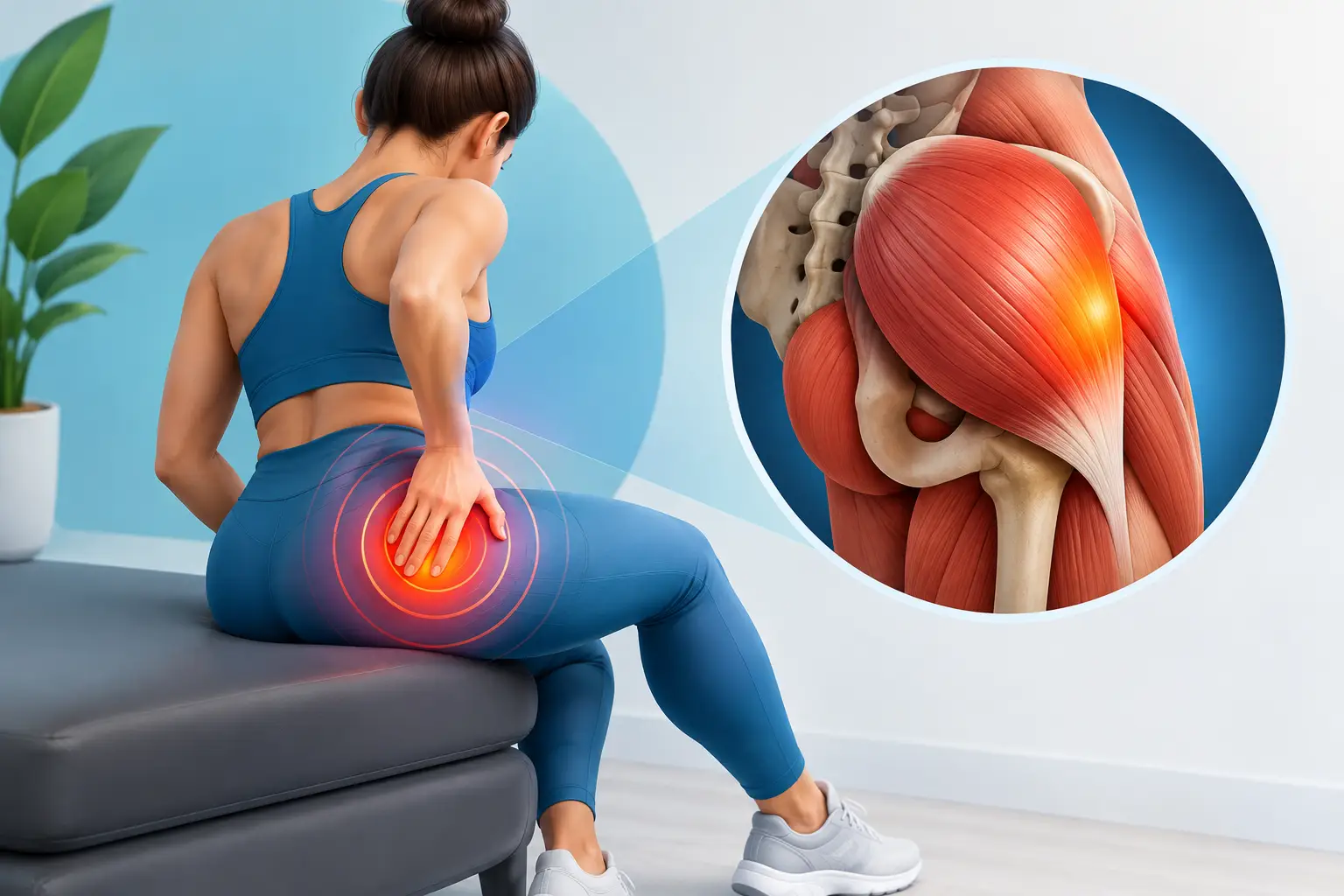
Your glutes should help you rise from a chair, climb SEPTA steps, run, squat, carry groceries, and walk without asking your low back or knees to do all the work. When they are not pulling their weight, the discomfort does not always show up in the buttocks. Glute muscle dysfunction can feel like stubborn hip tightness, an achy low back, knee irritation, hamstring cramps, or a body that simply feels uneven in motion.
This is not a character flaw, a sign that you are lazy, or proof that you need to push harder at the gym. It is often a movement and tension pattern that deserves patient attention. The good news: with the right assessment, hands-on care, and a realistic plan for movement, many people can improve how their hips feel and function.
What glute muscle dysfunction actually means
The gluteal muscles include the gluteus maximus, gluteus medius, and gluteus minimus. They have different jobs, but they work as a team. The gluteus maximus helps drive hip extension, such as standing up or moving uphill. The medius and minimus help stabilize the pelvis, especially when you stand on one leg during walking, running, or stair climbing.
Glute muscle dysfunction is a broad term for when this team is not coordinating, activating, tolerating load, or producing force as well as it needs to. Sometimes the muscles are weak after injury or a long stretch of inactivity. Sometimes they are overworked and sore because other areas are restricted. Sometimes the issue is less about strength and more about timing: the low back, hip flexors, hamstrings, or outer thigh jump in before the glutes can contribute.
That distinction matters. A person with deconditioned glutes may benefit from gradual strengthening. A person with very tight hip flexors, irritated tendons, or limited hip mobility may need a different starting point. More squats are not automatically the answer.
Signs your glutes may not be doing their job
One common clue is discomfort during activities that require single-leg stability. You may notice one hip dropping or your knee turning inward when you walk downstairs, step off a curb, lunge, or run. You may feel one-sided low-back tightness after standing for a while, even though your back itself was not the original problem.
Other signs include recurring outer-hip soreness, cramping hamstrings during bridges, difficulty feeling the glutes during lower-body exercise, or pain around the knee with no obvious knee injury. Some people also feel pinching in the front of the hip after sitting, then stiffness when they first stand up.
None of these signs confirms a diagnosis on its own. Hip pain can also involve the joint, bursae, tendons, nerves, spine, or an underlying medical concern. A skilled healthcare professional can help sort out what is driving the symptoms, particularly if pain is intense, sudden, or not improving.
Why sitting is only part of the story
Sitting for long hours can leave the hip flexors in a shortened position and reduce how often the glutes are challenged through a full range of motion. For busy Philadelphia professionals, commute time, desk work, meetings, and recovery time on the couch can add up quickly.
But sitting is not the villain by itself. Plenty of people sit at work and have comfortable, capable hips. Trouble often develops when long periods of stillness combine with stress, poor sleep, abrupt increases in training, old injuries, limited mobility, or repetitive movement without enough recovery. Your body adapts to what it does most often.
Training hard can create a different problem
Active adults and athletes can have glute-related issues too. A runner who suddenly increases mileage, a lifter who adds load too fast, or a cyclist who spends long hours in a fixed hip position may overload tissues around the hip. In these cases, the answer may be less intensity for a short period, better recovery, and a progressive return to loading rather than forcing through pain.
The compensation pattern: why your back, knees, and hamstrings complain
The body is resourceful. When one area is not contributing enough, another area often picks up the job. The hamstrings may grip during hip extension. The lower back may arch and tense to create movement. The tensor fasciae latae at the front and side of the hip may become dominant, creating a tight, pulling feeling along the outer thigh. The knees may take more stress because the pelvis and femur are not being controlled well during movement.
This does not mean every sore back or knee is caused by the glutes. It means the hips belong in the conversation. Good bodywork looks at the relationship between the feet, knees, hips, pelvis, and spine instead of chasing pain in one isolated spot.
A smarter approach to restoring glute function
The goal is not to punish a “lazy” muscle. The goal is to help your body move with less guarding and more balanced support. That usually means combining relief-focused care with simple, consistent movement habits.
First, reduce unnecessary tension. Therapeutic massage, myofascial release, trigger point therapy, and Thai yoga massage can help address areas that commonly feel restricted around the hips, including the hip flexors, adductors, hamstrings, lower back, and outer hip. When tissues are less guarded, it may be easier to move through a more comfortable range and recognize what your glutes are doing.
Second, restore mobility where it is actually limited. Gentle hip rotation, controlled leg swings, and comfortable hip-flexor mobility work can be useful for some people. Stretching should not create sharp pain, numbness, or a deep joint pinch. If it does, stop and get assessed rather than trying to stretch harder.
Third, build capacity gradually. Bridges, sit-to-stands, step-ups, side-lying leg work, and controlled split-stance exercises can all be appropriate options, depending on the person. Quality matters more than chasing a burn. If your hamstrings cramp during a bridge, reduce the range, slow down, adjust foot position, or begin with a different exercise. A movement professional can help you find the right progression.
Finally, practice using your hips in daily life. Stand up from your chair without rushing. Take a brief walk between work blocks. Use stairs at a comfortable pace. Carry bags evenly when possible. These small repetitions teach your body that the glutes are part of ordinary movement, not just an exercise you do once a week.
How massage therapy fits into a recovery plan
Massage is not a replacement for medical diagnosis, physical therapy, or progressive strengthening when those are needed. It can, however, be a valuable part of an integrated plan. For people dealing with persistent tightness, stress-related muscle guarding, restricted movement, or post-workout soreness, focused bodywork can create a more comfortable starting point for movement.
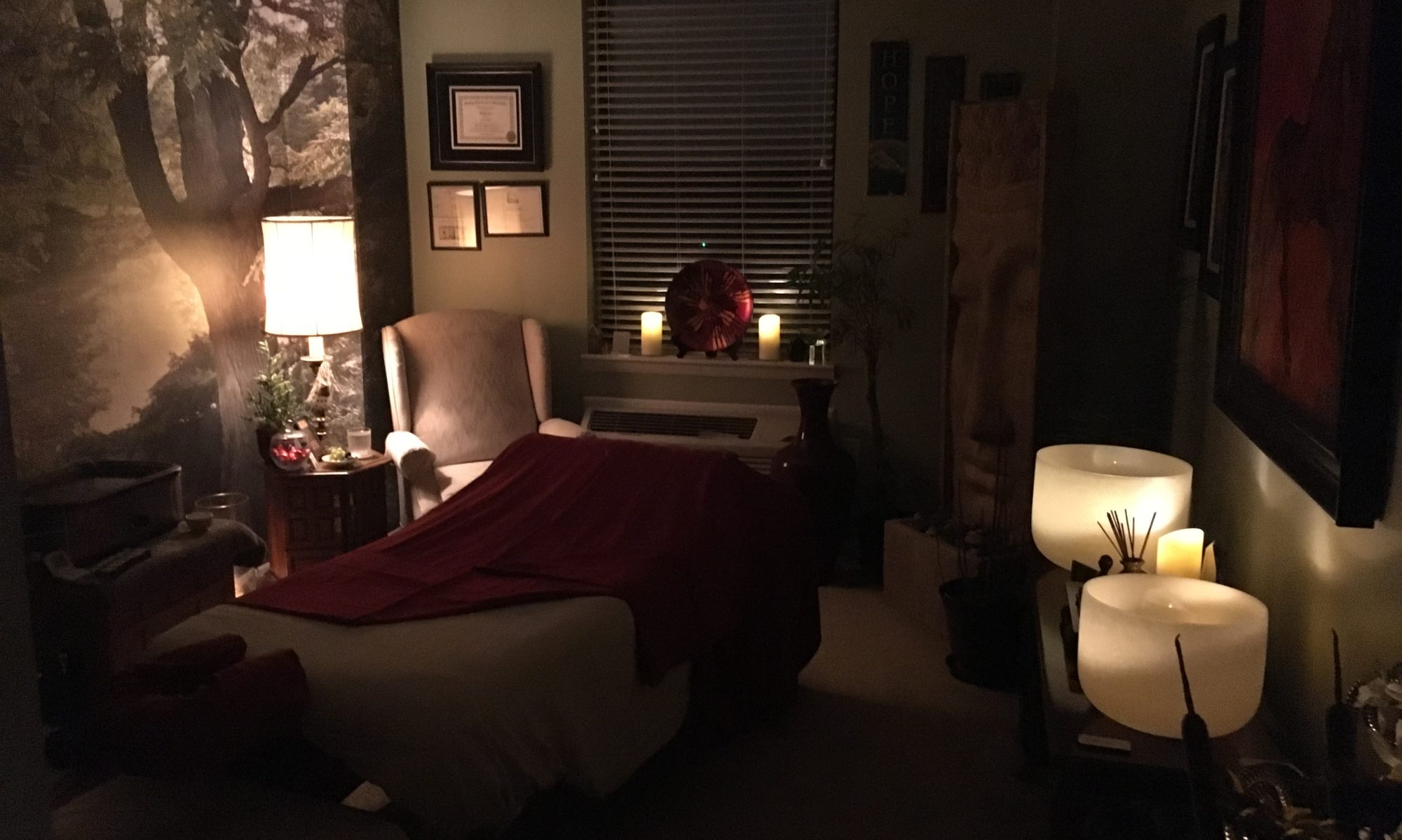
At Life4orceTouch, sessions are individualized rather than delivered like a one-size-fits-all spa routine. Depending on your needs and tolerance, a session may incorporate deep tissue massage, myofascial release, trigger point therapy, cupping, or Thai-based stretching approaches. The work should be targeted, communicative, and adjusted to your body that day. More pressure is not always better. Effective work respects both your goals and your nervous system.
Consistency often matters more than a single intense session. If your hips have been compensating for months or years, a plan that combines periodic bodywork, daily mobility, and gradual strength work is more realistic than expecting one appointment to solve everything.
When to seek medical evaluation first
Do not assume every hip or buttock issue is muscular. Seek prompt medical attention for severe pain after a fall, inability to bear weight, significant swelling, fever, unexplained weight loss, bowel or bladder changes, progressive weakness, or numbness and tingling that travels down the leg. Persistent night pain or symptoms that keep worsening also deserve evaluation.
If you have had hip surgery, a major injury, a known joint condition, or pain that has not responded to conservative care, coordinate with your physician or physical therapist. Massage can often be adapted, but the safest plan depends on the full picture.
Your hips do not need perfection to serve you well. They need attention, appropriate load, and enough recovery to do their share. Start with one honest observation today: when you stand, climb, or walk, where does your body feel like it is working too hard? That answer can be the beginning of a more supported, more comfortable way to move.